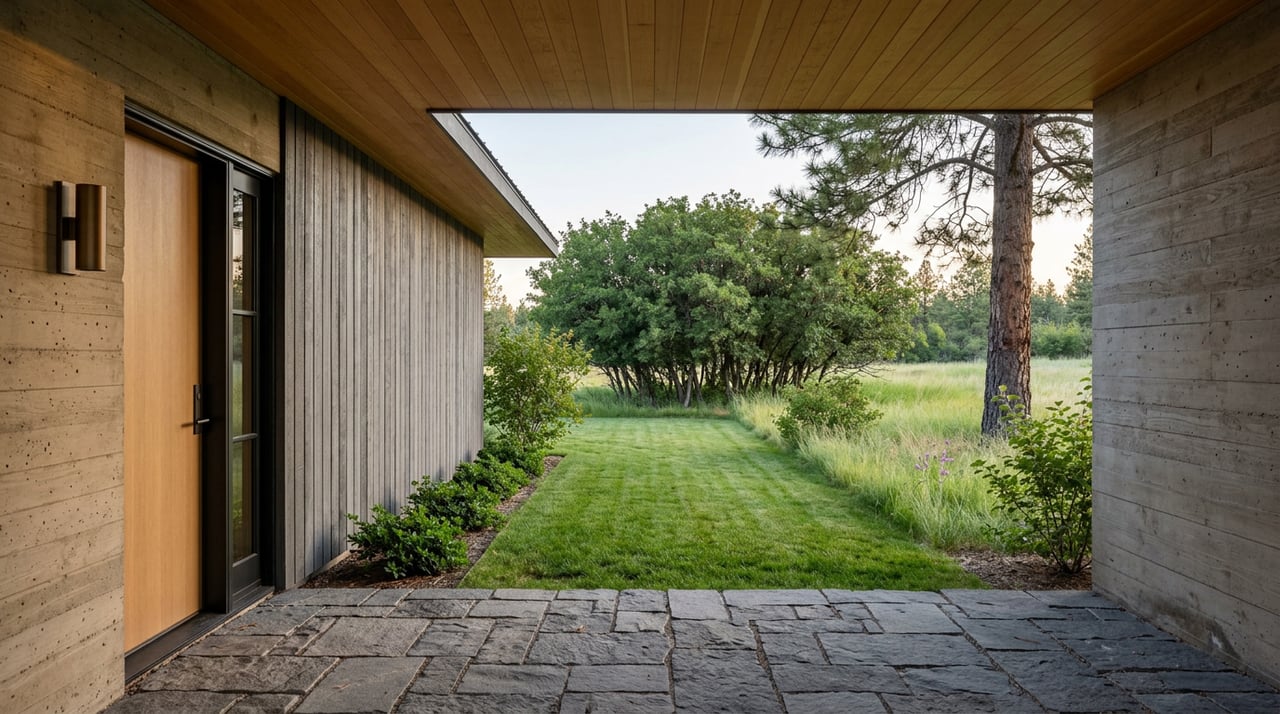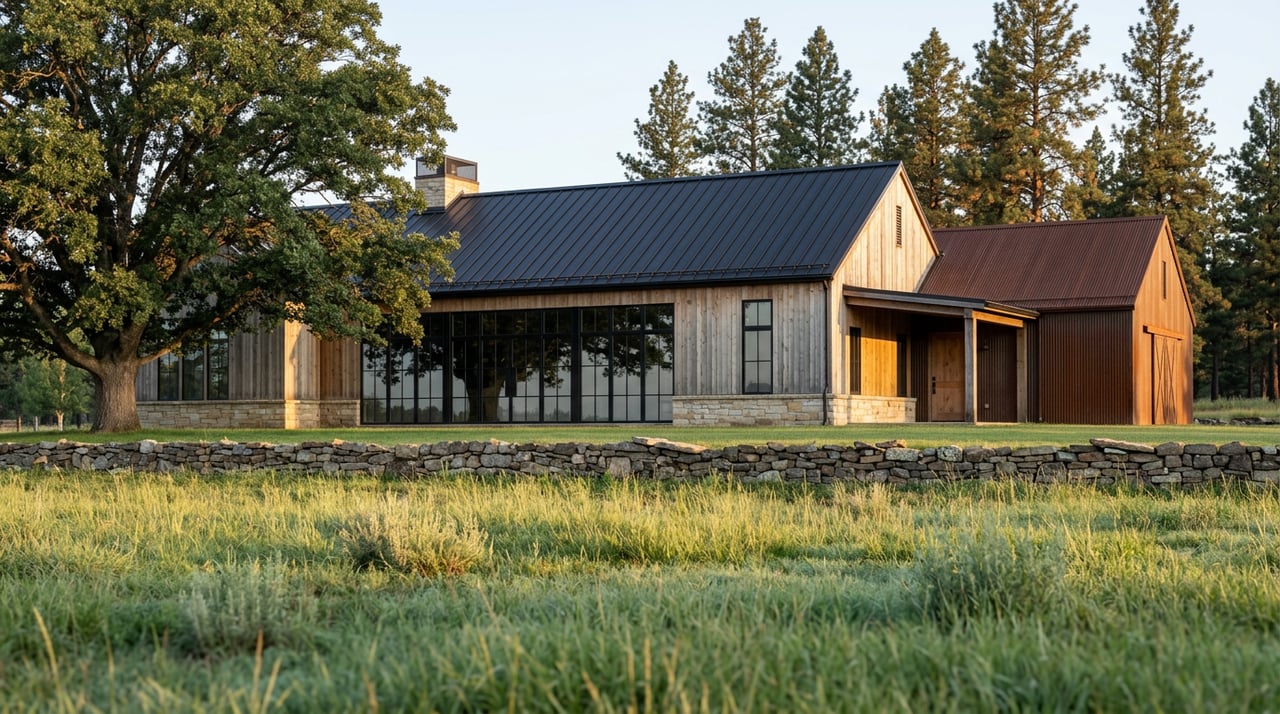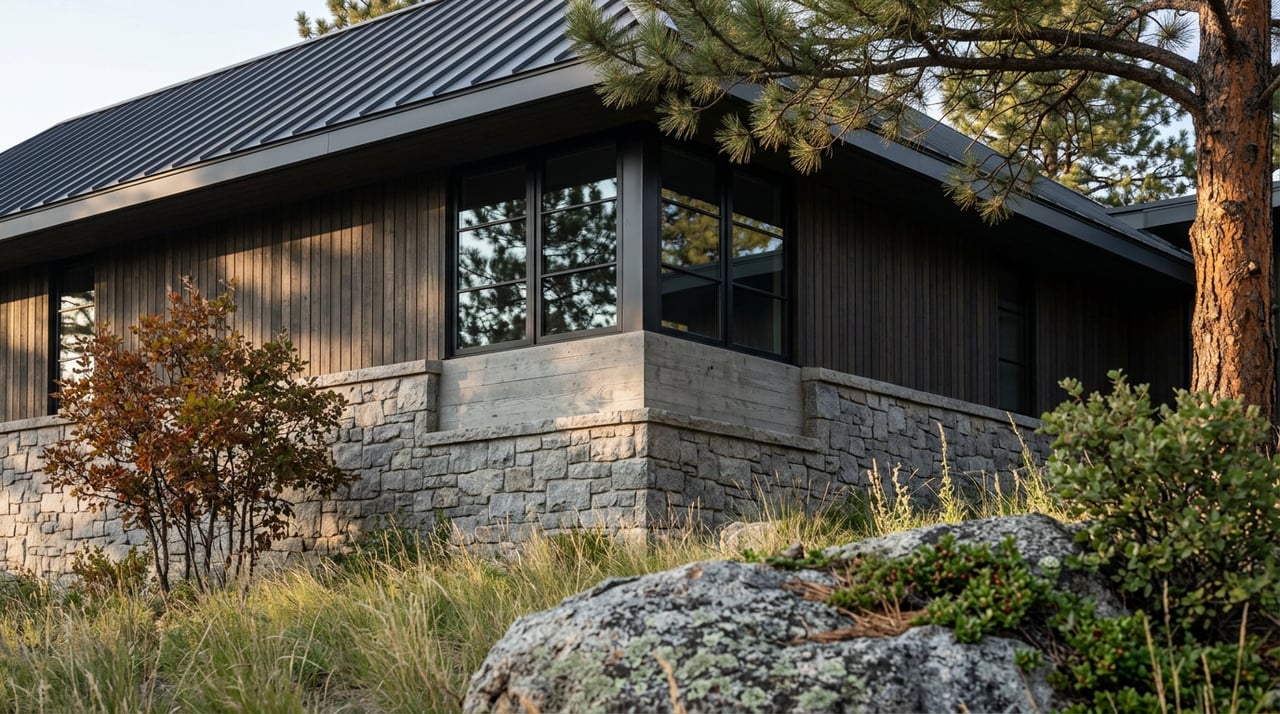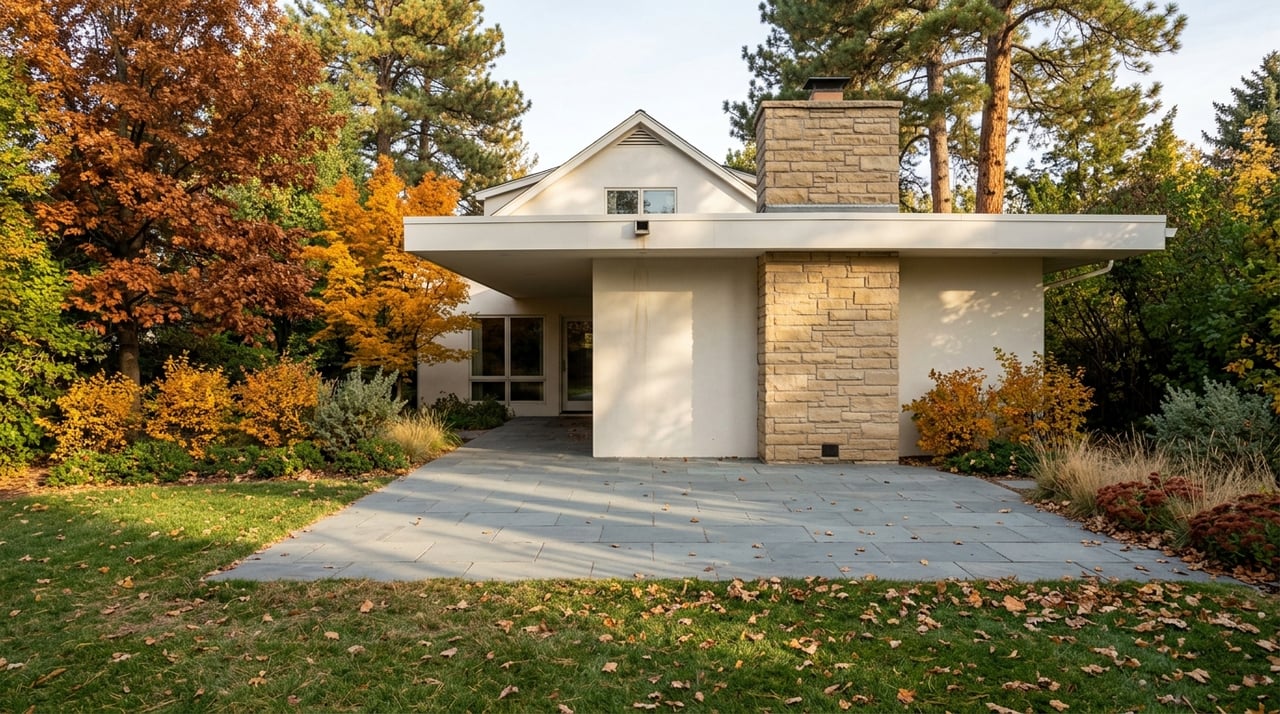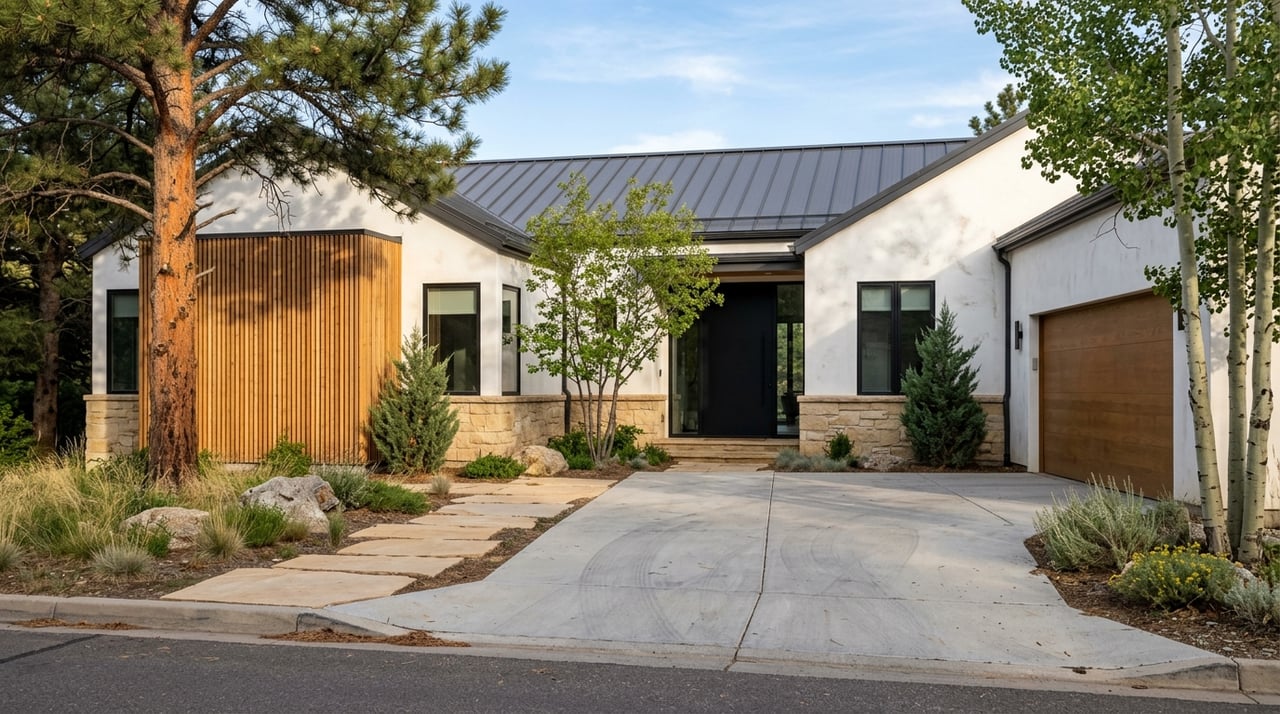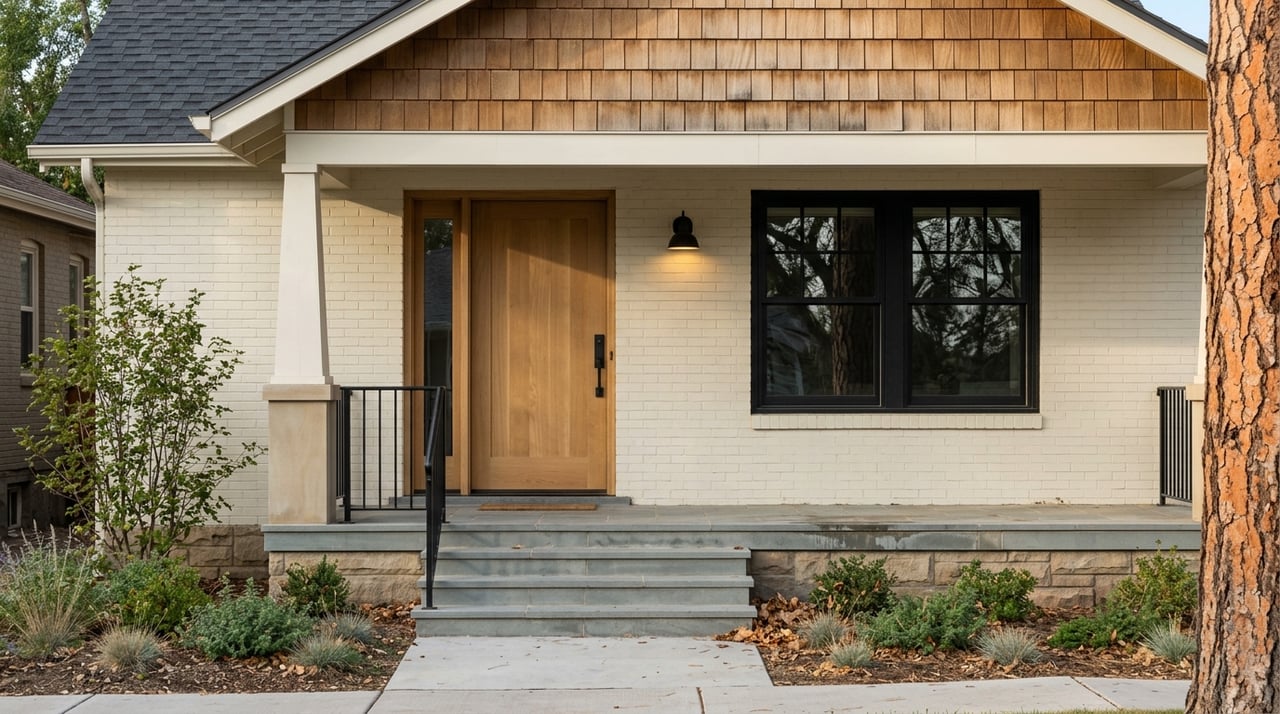
If you love neighborhoods with visible history, layered design, and a strong sense of place, University Hill stands out right away. This part of Boulder is not polished into one tidy architectural style, and that is exactly what makes it interesting. You get older residential blocks, campus influence, walkable commercial energy, and details that reward a slower look. Let’s take a closer look.
Why University Hill Feels Architecturally Rich
University Hill sits just west of CU Boulder and works as both a residential neighborhood and a compact commercial district. City materials describe it as a dynamic, historic area adjacent to the main campus, and local visitor resources place it between CU, Chautauqua, and downtown. That location gives the Hill a feeling of connection rather than isolation.
For an architecture lover, the appeal starts with that layered setting. You are not looking at a single master-planned aesthetic. Instead, you see Boulder’s growth patterns, changing tastes, and everyday neighborhood life all in one place.
Start With University Place Historic District
If you want the clearest concentration of historic residential architecture, begin with the University Place Historic District. This city-designated district sits along the south edge of the neighborhood and runs through the 700 and 800 blocks of 14th Street from Baseline to Aurora. It was platted in 1890 and was historically associated with CU faculty and staff.
This area offers the most documented architectural throughline in the Hill. Its period of significance runs from 1890 to 1941, which helps explain why the district can feel cohesive while still showing more than one design era.
Styles You Can Spot in University Place
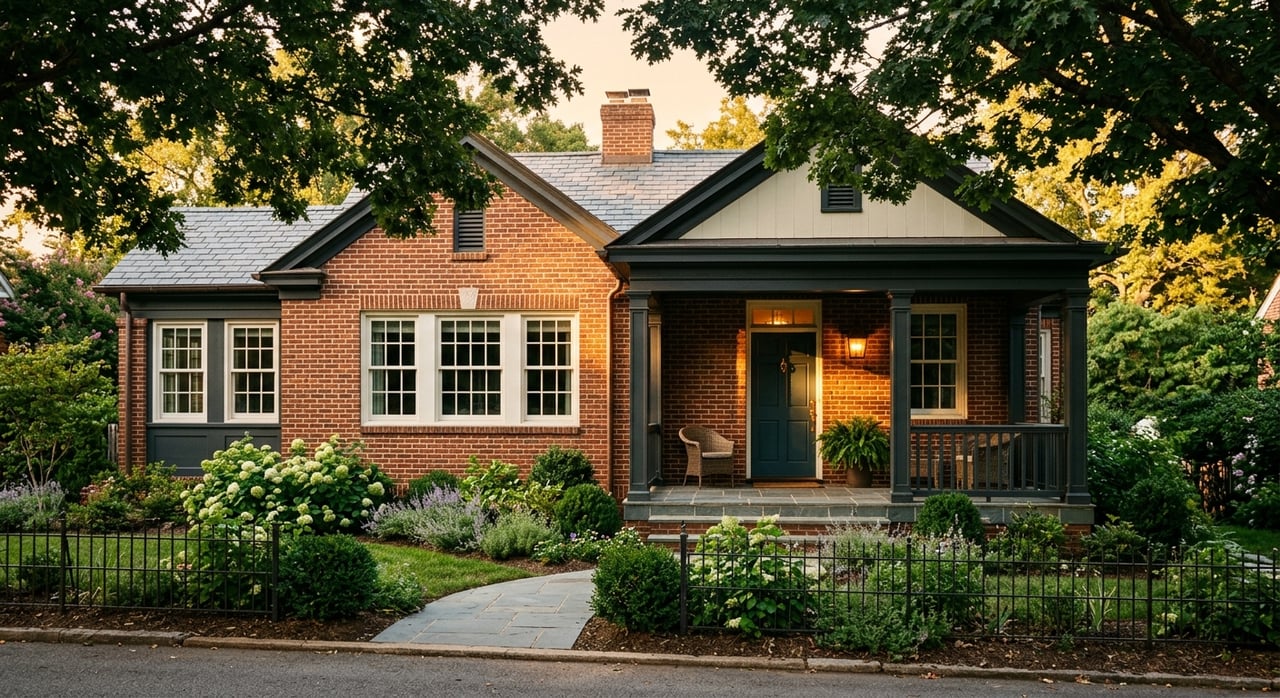
Boulder’s design guidelines identify several architectural styles in University Place, including:
- Tudor Revival
- English or Norman Cottage Revival
- Craftsman Bungalow
- Italian Renaissance Revival
- Foursquare
- Colonial Revival
That mix gives the district texture. One home may feel storybook and steeply roofed, while the next feels more restrained and symmetrical. Together, they create a streetscape that stays visually engaging without feeling chaotic.
Why 14th Street Feels Different
Part of the experience here is not just the houses, but the street itself. The city notes that 14th Street still retains wider dimensions linked to the old streetcar line. That wider proportion changes how the block feels as you walk it, giving the area a little more breathing room and a stronger sense of historic infrastructure.
The Colorado Chautauqua also helped spur development in this part of Boulder. That broader historical context adds another layer to what you see on the ground today.
Look Beyond the Facades
In University Hill, architecture is not only about individual homes. Boulder’s preservation guidance makes clear that historic districts can include sidewalks, tree canopy, and building patterns, not just structures. That matters here because some of the Hill’s charm comes from the public realm as much as the houses themselves.
As you move through the neighborhood, pay attention to how buildings sit on their lots, how mature trees frame the street, and how the campus edge influences the scale and rhythm of nearby blocks. Those details help the area feel historic and lived-in rather than staged.
CU Boulder Shapes the Visual Experience
You do not have to be standing on campus to feel CU Boulder’s design influence. The university describes its main campus as a distinctive Tuscan Vernacular environment shaped by architect Charles Klauder, with rough-cut local sandstone, red tile roofs, limestone-framed openings, and wrought-iron accents.
That nearby architectural language gives the Hill an important visual backdrop. Even where residential buildings are simpler, the relationship to campus helps the area read as especially design-aware. It is part of why the neighborhood often feels more architecturally memorable than a quick style inventory might suggest.
The Hill Is Layered, Not Uniform
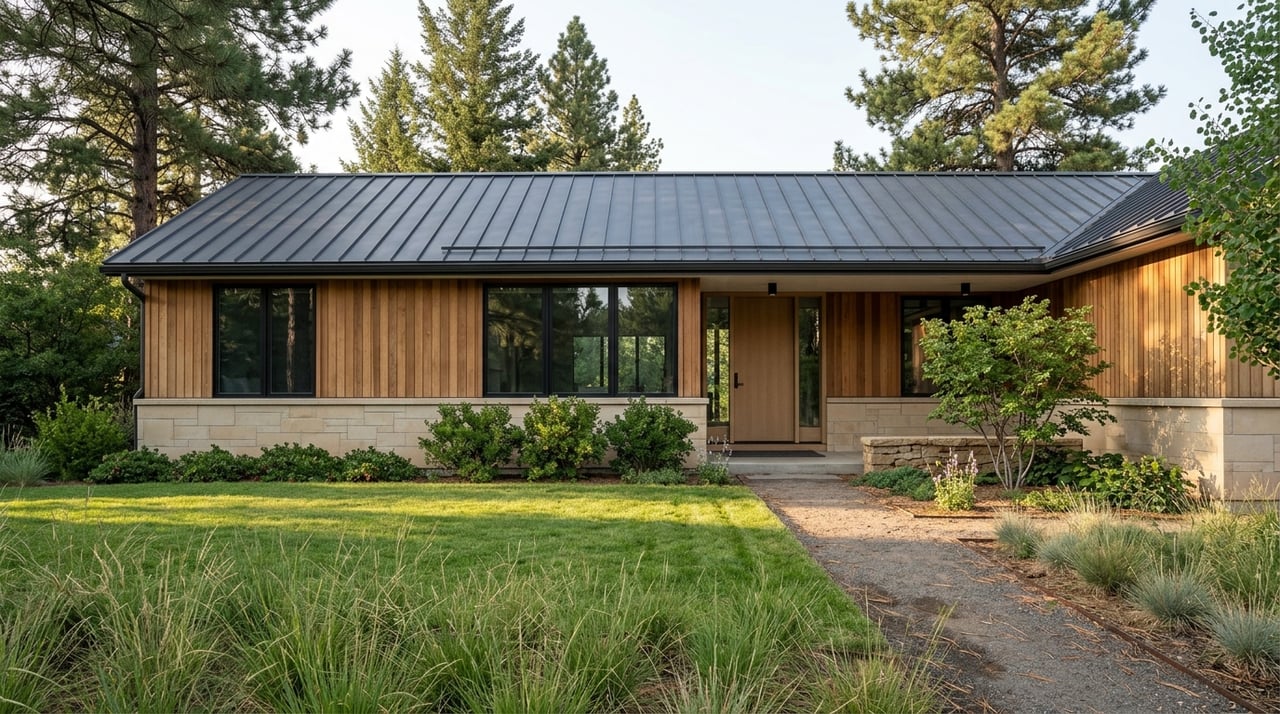
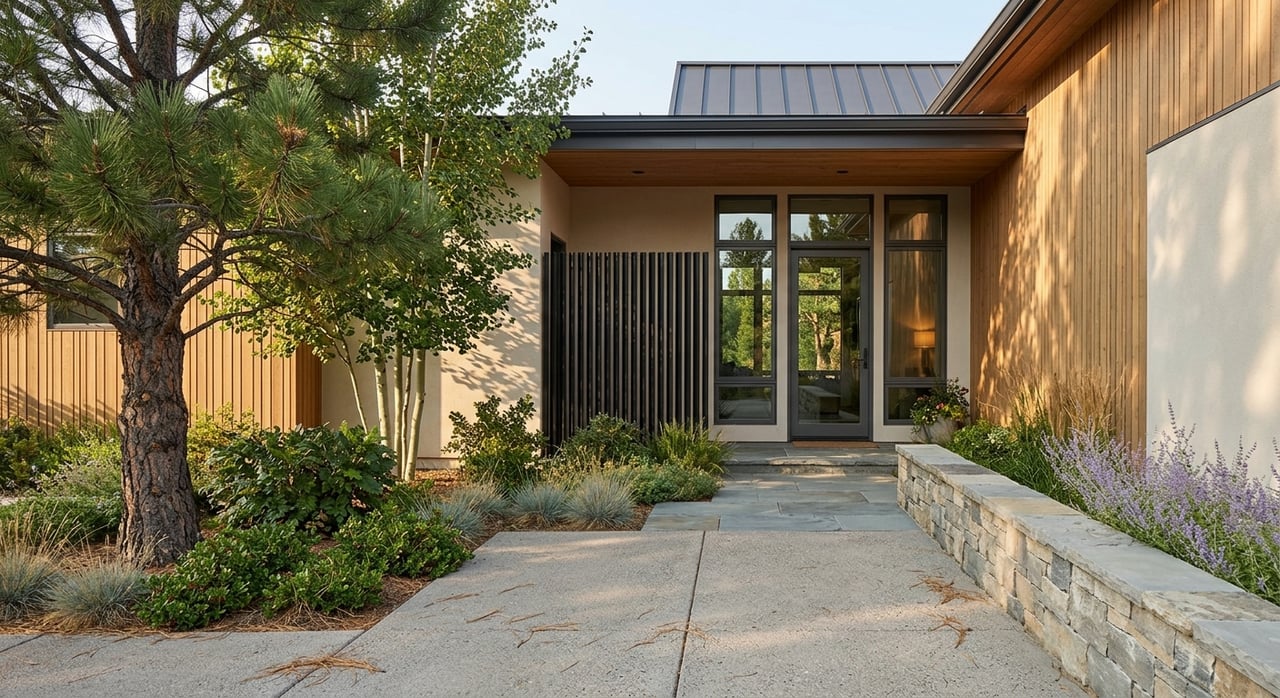
One of the best ways to appreciate University Hill is to let go of the idea that every block should match. The broader area is better understood as layered rather than uniform. Boulder is explicit that historic designation does not freeze a place in time, and that perspective helps explain why older homes, updates, and newer infill can exist side by side.
For you as a buyer, seller, or simply a curious walker, that means the Hill rewards close observation. A block may include preserved historic character, a sensitively updated house, and an older property outside a formal designation area. The variety is part of the neighborhood story.
The Larger Historic Orbit Around the Hill
If you are noticing Victorian-era character nearby, that impression is not misplaced. City walking-tour materials point to Queen Anne houses on adjacent older west-side blocks, while University Place contributes the bungalow and revival-style layer. Together, these areas create the older-Boulder atmosphere many people associate with this part of town.
It is a useful distinction because not every Hill block should be described the same way. Still, the surrounding historic fabric adds to the architectural experience of University Hill as a whole.
Streetscape Makes the Architecture More Livable
A beautiful neighborhood is one thing. A beautiful neighborhood that also works for daily life is another. University Hill stands out because its architectural interest is tied to a compact, walkable setting.
The city describes the Hill commercial district as a destination for both CU students and Boulder residents. It also notes that downtown Boulder and the Hill are just one mile apart, with the HOP bus running every 20 minutes and linking Pearl Street, Downtown Boulder Station, Boulder Junction, CU Boulder, and the Hill.
What That Means Day to Day
For many people, architecture becomes more meaningful when it is part of daily rhythm. In University Hill, that can mean:
- Walking from a historic residential block to a coffee stop or casual meal
- Moving easily between campus, downtown, and nearby neighborhood destinations
- Experiencing architecture in motion, not just as something you drive past
- Enjoying a district where older streets and active uses still feel connected
This is one reason the Hill tends to appeal to design-minded buyers and relocation clients. The neighborhood offers character, but it also supports real routines.
Columbia Cemetery Adds Historic Depth
Columbia Cemetery is another important part of the Hill story. The city describes it as a historic, cultural, and artistic resource in the heart of University Hill, and notes that Boulder grew up around it. That kind of landmark adds uncommon depth to the neighborhood landscape.
For architecture lovers, places like this matter because they anchor the area in time. They remind you that the Hill is not just near history. It is part of Boulder’s historical development pattern.
What Buyers Should Know About Historic Review
If you are considering an older home in University Hill, it helps to understand how local preservation rules may apply. Boulder states that exterior changes to a designated landmark or to a property in a historic district require review and approval through a Landmark Alteration Certificate. District-specific design guidelines may also apply.
At the same time, Boulder is clear that historic designation does not freeze a place in time, does not automatically regulate use, and does not apply to every older property. In practical terms, that means you may find a mix of homes with formal historic review, homes with preserved character outside designated areas, and homes that have already been updated over time.
Questions Worth Asking When Touring Older Homes
If you are exploring architecture-rich properties on the Hill, keep these questions in mind:
- Is the home within a designated historic district?
- Have exterior changes been made over time?
- What original details appear to remain?
- How does the home relate to the surrounding streetscape?
- If updates are needed, what local review process might apply?
These are useful questions for buyers, and they matter for sellers too. Presentation, property history, and neighborhood context can all shape how a home is understood in the market.
Why University Hill Appeals to Design-Minded Buyers
University Hill offers something many buyers want but cannot always define at first glance. It has character you can feel. That character comes from the relationship between architecture, street pattern, mature trees, campus adjacency, and easy access to downtown and Chautauqua.
For some buyers, that means falling for a Tudor Revival or Craftsman Bungalow in University Place. For others, it means appreciating the broader mix of older homes, thoughtful updates, and the visual presence of CU Boulder nearby. Either way, the Hill tends to reward buyers who care about both lifestyle and design.
Why Sellers Benefit From the Hill’s Story
If you own a home in University Hill, the architectural story around your property matters. Buyers often respond not just to square footage or finishes, but to how a home fits into the neighborhood’s larger identity. On the Hill, that identity includes history, walkability, campus energy, and established streetscape character.
That is where thoughtful positioning becomes important. A home with architectural details, mature landscaping, or a strong relationship to a historic block may benefit from careful presentation and clear storytelling. In a neighborhood like this, design context can help buyers understand value.
FAQs
What architectural styles can you see in University Place on University Hill?
- Boulder identifies Tudor Revival, English or Norman Cottage Revival, Craftsman Bungalow, Italian Renaissance Revival, Foursquare, and Colonial Revival in the University Place Historic District.
What makes University Hill in Boulder feel different from other neighborhoods?
- University Hill combines historic residential blocks, a compact commercial district, proximity to CU Boulder, and a walkable connection to downtown, Chautauqua, and campus life.
Does historic designation in University Hill stop all future changes?
- No. Boulder states that historic designation does not freeze a place in time, though exterior changes to designated landmarks or properties in historic districts require local review and approval.
Is University Hill architecture limited to one style?
- No. The area is better understood as layered rather than uniform, with historic homes, later updates, and some infill contributing to the neighborhood’s overall character.
How close is University Hill to downtown Boulder and CU Boulder?
- The Hill sits immediately west of CU Boulder, and the city notes that downtown Boulder and the Hill are about one mile apart.
Why does University Hill appeal to architecture lovers in Boulder?
- It offers visible history in both buildings and streetscape, including mature trees, older block patterns, nearby campus architecture, and a strong connection between design and daily life.
If you are thinking about buying or selling in University Hill, a neighborhood like this benefits from local perspective and design fluency. To talk through the Hill’s character, historic housing stock, or how to position a distinctive Boulder property, connect with Anne Wells.