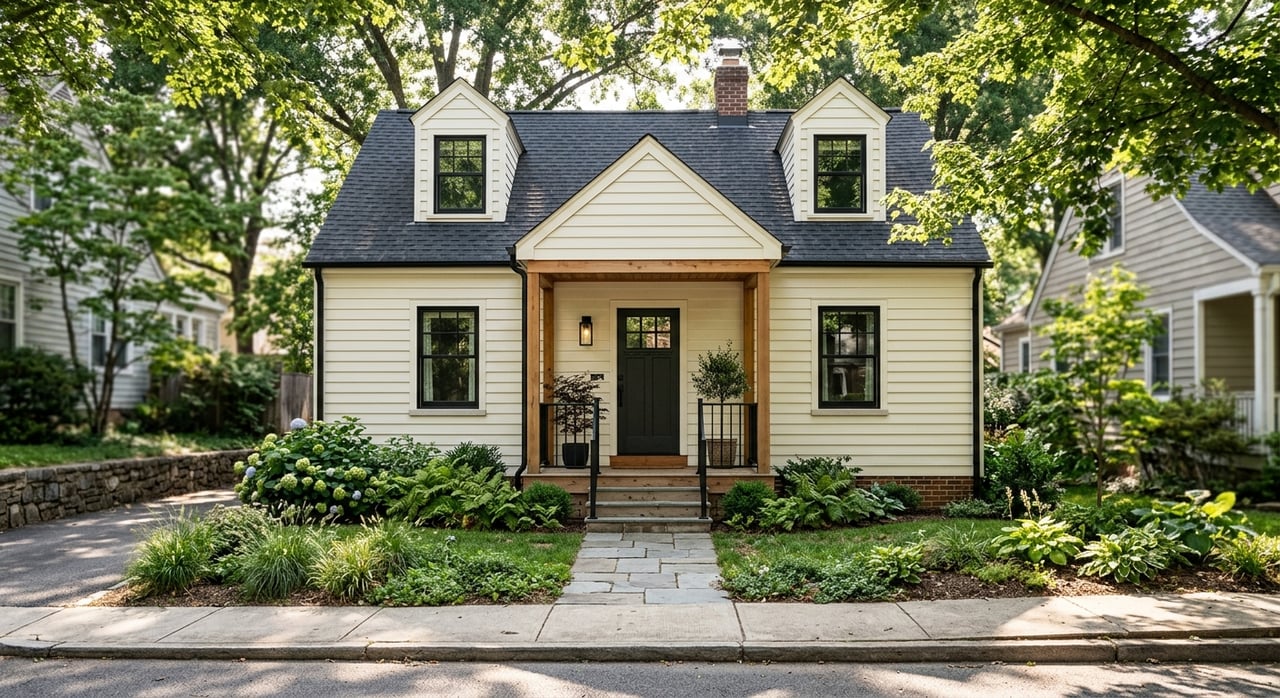
Old North Boulder Real Estate With Walkable Appeal
July 9, 2026
July 9, 2026
If you want Boulder living that supports more walking and fewer car trips, Old North Boulder deserves a closer look. It is not the kind of neighborhood where every daily need sits on the same block, but it does offer a practical middle ground for people who want short trips, local convenience, and strong bike access. If you are trying to picture what day-to-day life really feels like here, this guide will help you understand the rhythm of the neighborhood and what to expect. Let’s dive in.
In Old North Boulder, walkability is best understood as car-light rather than car-free. Walk Score rates the neighborhood at 61 for walking, 43 for transit, and 93 for biking, which points to a place where you can handle some errands and outings on foot or by bike, but may still use a car for part of your routine.
That balance matters if you are comparing Boulder neighborhoods. Old North Boulder is less dense than some of the city’s most urban-feeling central areas, yet it still supports a lifestyle built around shorter trips and neighborhood-level convenience.
The city’s planning for North Boulder fits that pattern. Boulder describes the area as having a mix of housing types, lot sizes, and street patterns from different eras, with newer development using finer-grained streets and business districts within walking distance of homes.
One reason Old North Boulder appeals to people who like walking is that it is organized around everyday destinations, not only scenic ones. The neighborhood is tied to local parks, recreation spaces, retail corridors, and bike routes that make short trips feel realistic.
Boulder’s transportation planning also supports that lifestyle. The city’s Pedestrian System Plan aims to prioritize walking, connect pedestrian travel with transit and biking, and expand the 15-minute neighborhood concept.
That citywide approach shows up clearly in North Boulder. Boulder also notes that it has more than 300 miles of bikeway, including 96 miles of bike lanes and 84 miles of multi-use paths, which strengthens the neighborhood’s ability to function for people who prefer to move around without relying on a car for every outing.
If you want a real example of how walkability works in this part of Boulder, 13th Street is one of the clearest. The city identifies the 13th Street Neighborhood GreenStreet as a corridor that connects the North Boulder Recreation Center, Community Plaza Shopping Center, Casey Middle School, and Downtown Boulder.
Just as important, Boulder says this is a route many people already choose for walking and biking. That tells you something useful about the neighborhood experience. It is not only planned for local movement, but already used that way in everyday life.
For buyers, that can translate into a more connected routine. For sellers, it helps explain why the location can feel appealing to people who value ease, movement, and access to nearby destinations.
Walkable neighborhoods are not only about stores and errands. They also work better when you have public spaces that make it easy to spend time outside without getting in the car.
North Boulder Park plays that role in Old North Boulder. The city lists amenities including a playground, restroom, shelter, grill, basketball court, bike park, multi-use field, open turf, slacklining, a fitness court, and a ping pong table, along with year-round restrooms and RTD access.
That mix makes the park feel like a neighborhood anchor. It supports quick visits, casual meetups, and outdoor time as part of normal daily life rather than a planned weekend destination.
The North Boulder Recreation Center at 3170 Broadway is another part of the neighborhood’s daily convenience. Its amenities include a pool, pickleball, basketball, volleyball, restrooms, and RTD access.
The city describes it as a neighborhood recreation center with classes and reservations, which helps reinforce the idea that this is a local-use facility rather than a place designed only for people driving in from farther away. If you value having activity and wellness options nearby, that can shape how livable the neighborhood feels.
The North Boulder Library Branch is a meaningful addition to the area. According to the city, the branch opened in June 2024 at 4500 13th Street, between Broadway and 14th Street near Rosewood.
The city also says it was designed to be easily accessible and to accommodate day-to-day traffic, parking, and special events. In practical terms, that gives Old North Boulder one more community destination that supports local movement and everyday use.
For many buyers, walkability feels more complete when it includes not just restaurants and shops, but civic spaces too. A library branch nearby can help a neighborhood feel more rooted and more useful throughout the week.
This is one of the most important things to understand before you decide whether Old North Boulder is the right fit. Walk Score lists about 29 restaurants, bars, and coffee shops in the neighborhood, which is enough to support local convenience, but not enough to create a highly concentrated urban scene.
That makes Old North Boulder different from areas like Whittier, Mapleton Hill, or University Hill. Those neighborhoods score higher for walkability and have larger counts of restaurants, bars, and coffee shops.
Here is how the comparison looks:
| Neighborhood | Walk Score | Transit Score | Bike Score |
|---|---|---|---|
| University Hill | 88 | 60 | 89 |
| Whittier | 86 | 53 | 94 |
| Mapleton Hill | 83 | 52 | 86 |
| Old North Boulder | 61 | 43 | 93 |
| Newlands | 57 | 42 | 80 |
Old North Boulder sits in the middle of Boulder’s walkability spectrum. That can be a positive if you want a neighborhood-scaled setting with good access to parks, paths, and local services, but do not want the intensity of Boulder’s more entertainment-focused central districts.
Even if your priority is walking, biking is a big part of how Old North Boulder works. With a Bike Score of 93, the neighborhood performs especially well for short trips on two wheels.
That matters because Boulder’s mobility network is built around overlapping options. You may walk to one destination, bike to another, and use transit when it makes sense.
Walk Score also lists nearby bus lines such as SKIP Broadway and 208 Iris / Valmont, which suggests that Old North Boulder offers some transit support in addition to its strong bike access. For many residents, that creates a flexible routine instead of a one-mode lifestyle.
If you are considering a move here, the housing story is part of the appeal. Boulder’s planning documents say lower-density areas in the older section of the city consist predominantly of single-family detached structures, while many areas developed over the last 30 years include a mix of detached homes, cluster and patio homes, townhouses, and apartments.
That broader context aligns well with North Boulder’s identity. The area reflects different development eras, which can give the neighborhood a more layered and established feel than a single-age community.
For buyers, that often means more variety in home style, lot pattern, and street feel. For sellers, it means presentation and positioning matter because buyers may be comparing a wider range of property types and neighborhood experiences.
Another useful point is that North Boulder is not frozen in time. The city’s 2024 amendment to the North Boulder Subcommunity Plan updated the area near Broadway and Violet Avenue to facilitate Creative Campus and applied mixed-use there.
That does not mean every part of Old North Boulder is changing quickly. It does mean the broader area continues to see reinvestment and planning attention, which can add to its long-term appeal for people who want an established neighborhood with nearby public investment and evolving neighborhood-scale uses.
Old North Boulder tends to work well for people who want a balanced Boulder lifestyle. You may be a fit if you like the idea of walking to some daily destinations, using a bike often, spending time in parks, and living in a neighborhood that feels more residential than urban-core.
It may be especially appealing if you value:
It may be less ideal if your goal is to live in one of Boulder’s most café-dense or nightlife-oriented areas. Old North Boulder offers convenience, but in a quieter and more local-serving format.
As with many Boulder neighborhoods, the experience can vary by location within the area. A city property listing offered one illustrative example of a home near creek, green space, and bike paths, with shopping, restaurants, and cafés a short walk away. That helps show what the lifestyle can feel like, but it should not be treated as true for every block.
If you are buying, it helps to look closely at how a specific home connects to routes like 13th Street, nearby parks, recreation spaces, shopping areas, and transit options. If you are selling, those same details can shape how your property is presented to buyers who care about day-to-day convenience.
Old North Boulder is a neighborhood where the details matter. The right location can support an easy, connected routine that feels distinctly Boulder without requiring the pace of a denser central district.
If you are thinking about buying or selling in North Boulder, working with someone who understands both the neighborhood feel and the block-by-block differences can make the process much clearer. Anne Wells brings long-term Boulder knowledge, thoughtful guidance, and a calm, design-aware approach to helping you find the right fit.
Stay up to date on the latest real estate trends.
Anne Wells, a devoted Boulder local for 30+ years, blends expert real estate knowledge with a passion for design and offers a unique perspective. Her no-pressure, hands-on approach creates a stress-free environment. With a background in English and Fine Arts, she merges art and functionality, envisioning personalized spaces for clients. Anne's honesty and advocacy make her the ideal partner for a seamless real estate experience. Join me now!