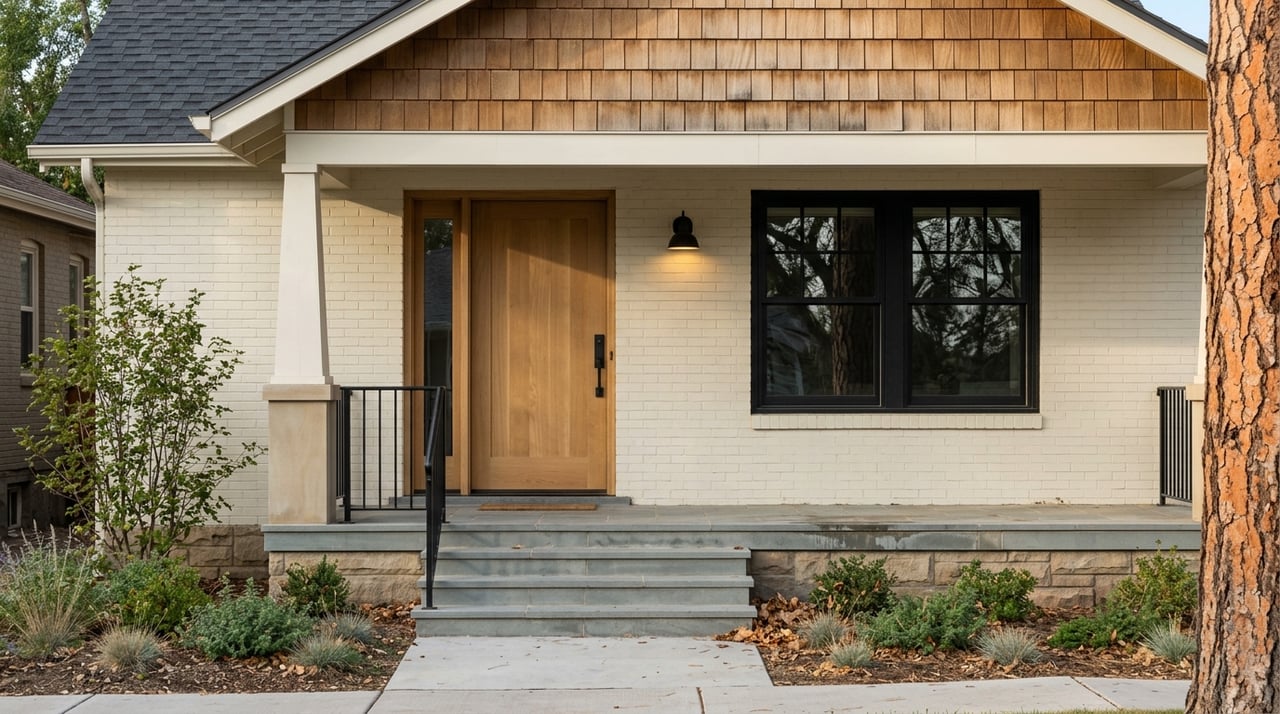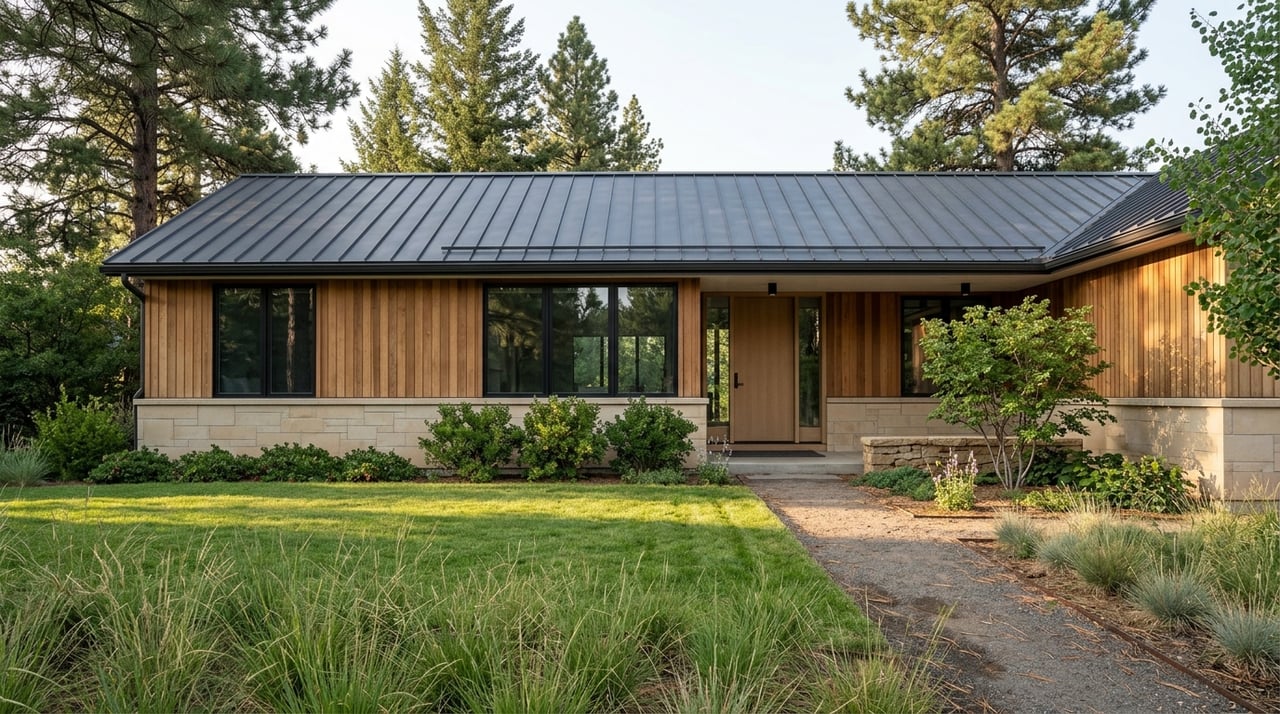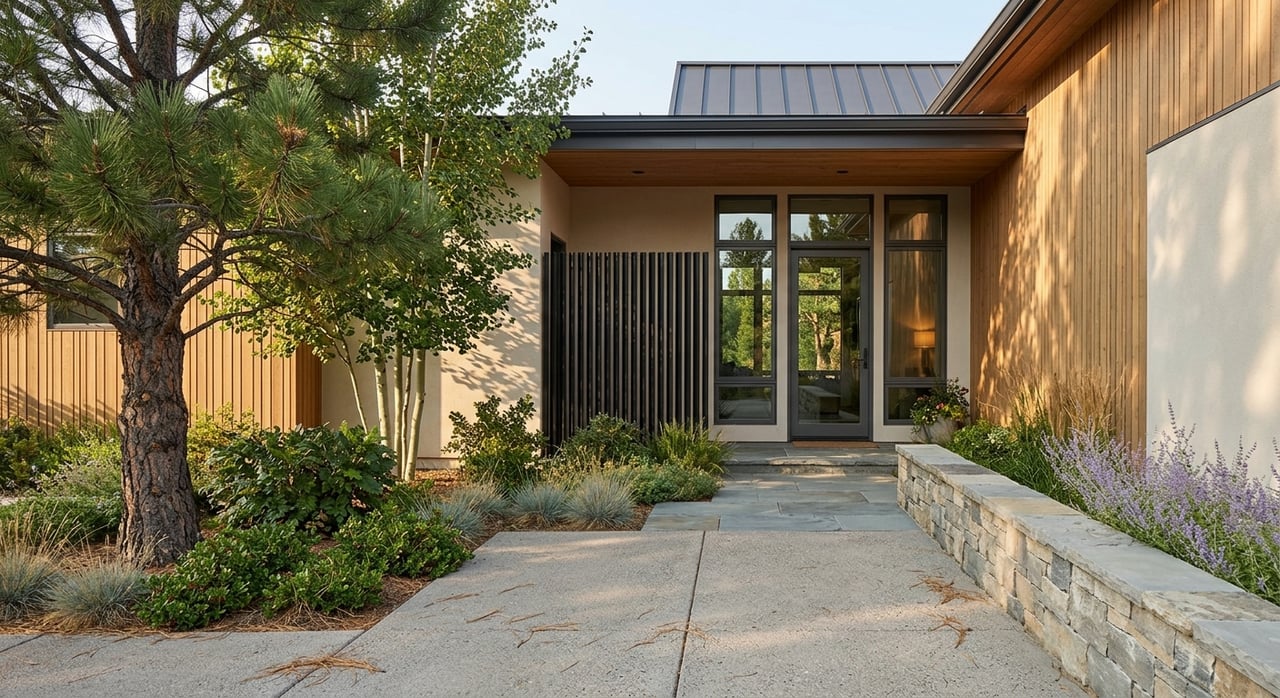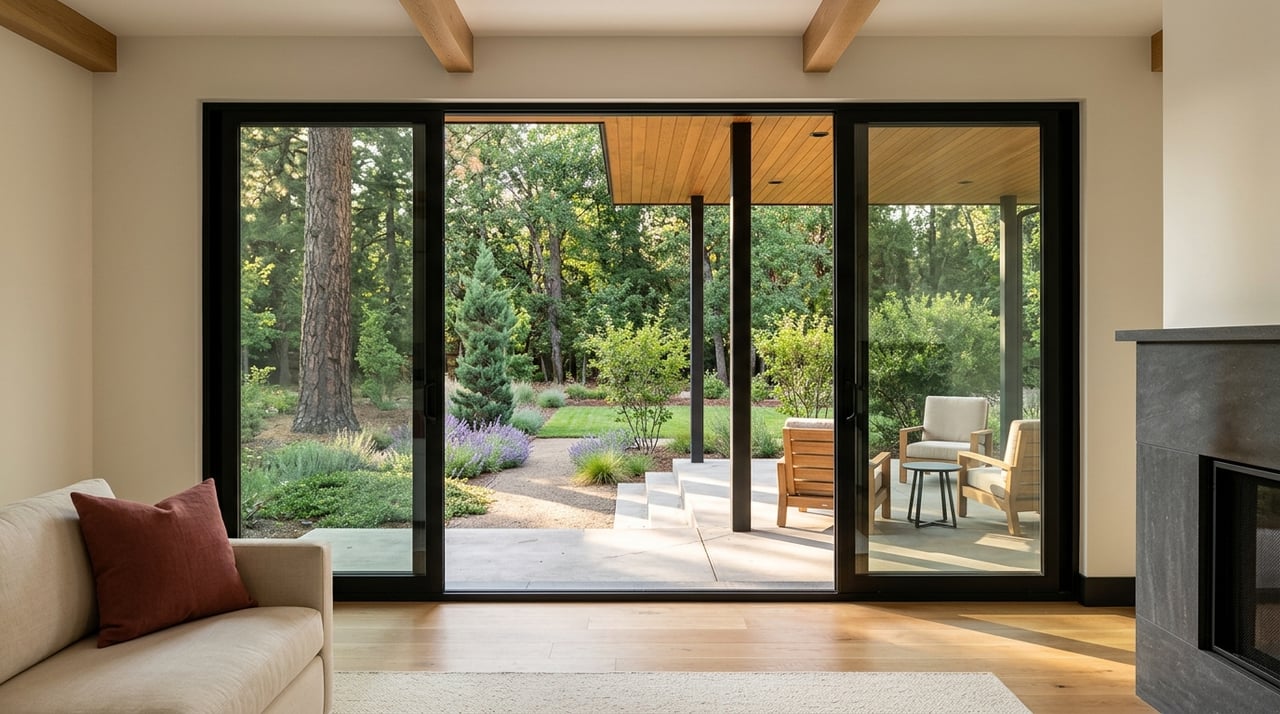
If you picture Downtown Boulder luxury as one single price bracket, Whittier will quickly challenge that idea. This part of Boulder blends historic texture, walkable city living, and a wide range of home styles, which can make the market feel both exciting and hard to read. If you are buying or selling here, understanding what really drives value can help you make smarter decisions. Let’s dive in.
Why Whittier feels different
Whittier sits within Boulder’s central urban fabric, close to the energy of downtown and shaped by the same historic context that defines much of the area. Pearl Street Mall is a four-block outdoor pedestrian destination from 11th to 15th Streets, and the city describes the Downtown Historic District as the largest and most architecturally significant group of commercial buildings in Boulder.
That setting matters because it influences how people experience the neighborhood day to day. Boulder also describes walking as an essential part of the transportation system, and the city has been nationally recognized as a Gold-level Walk Friendly Community. In practical terms, that means Whittier offers a kind of in-town convenience that is hard to replicate.
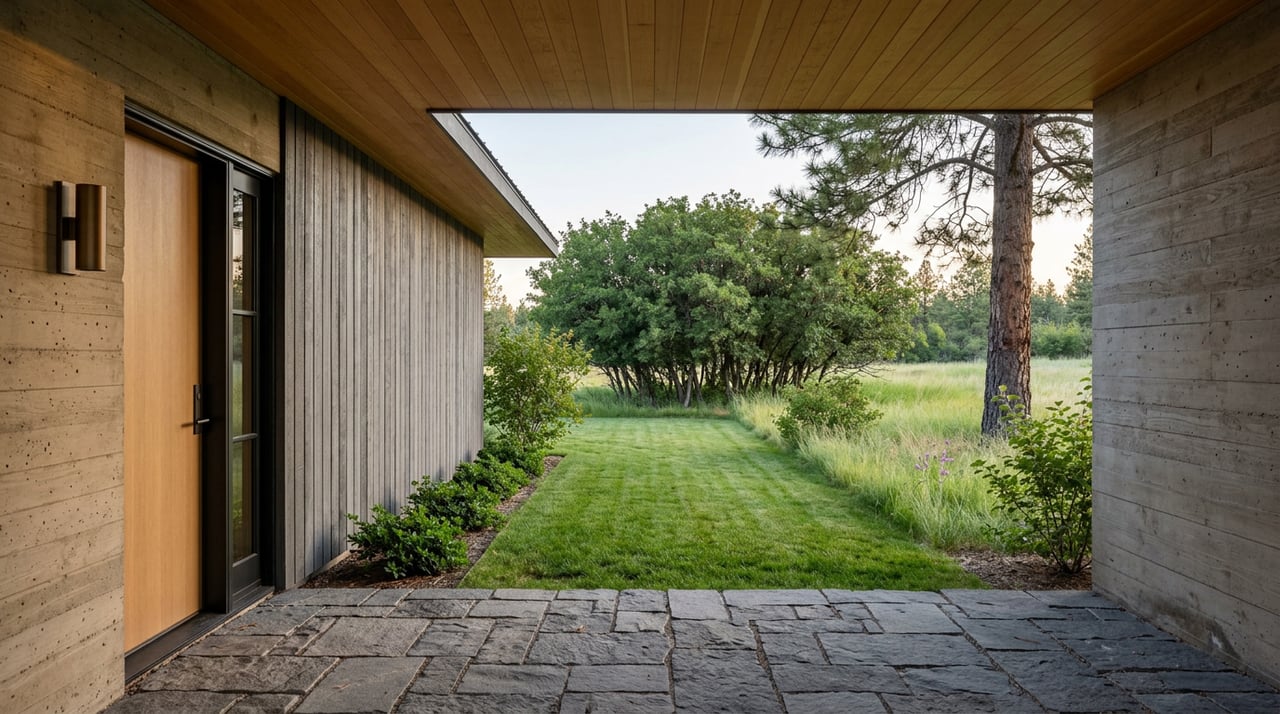
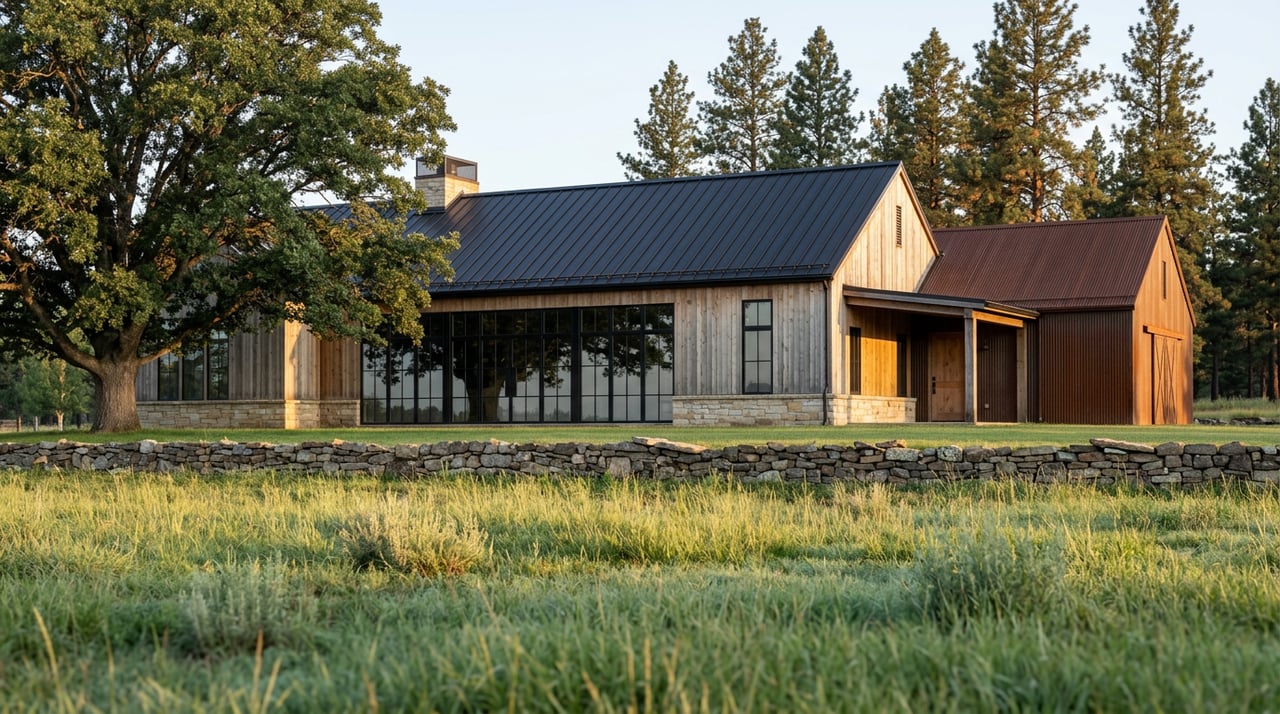
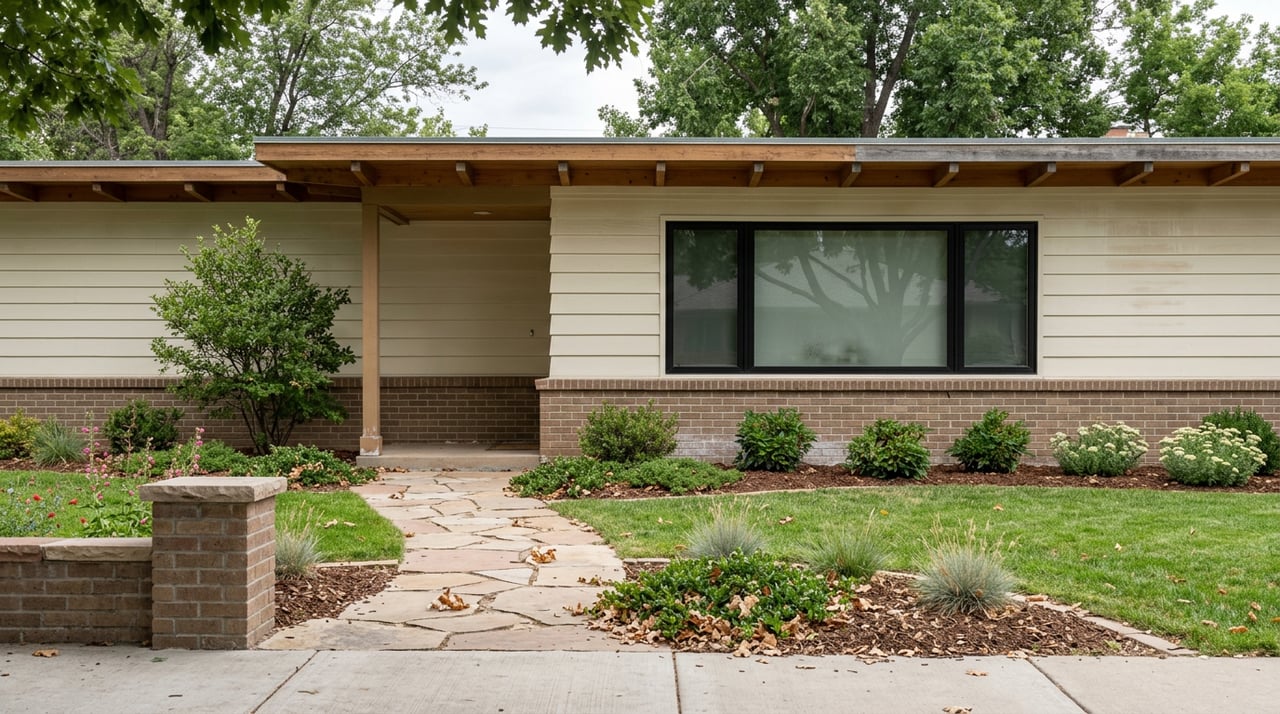
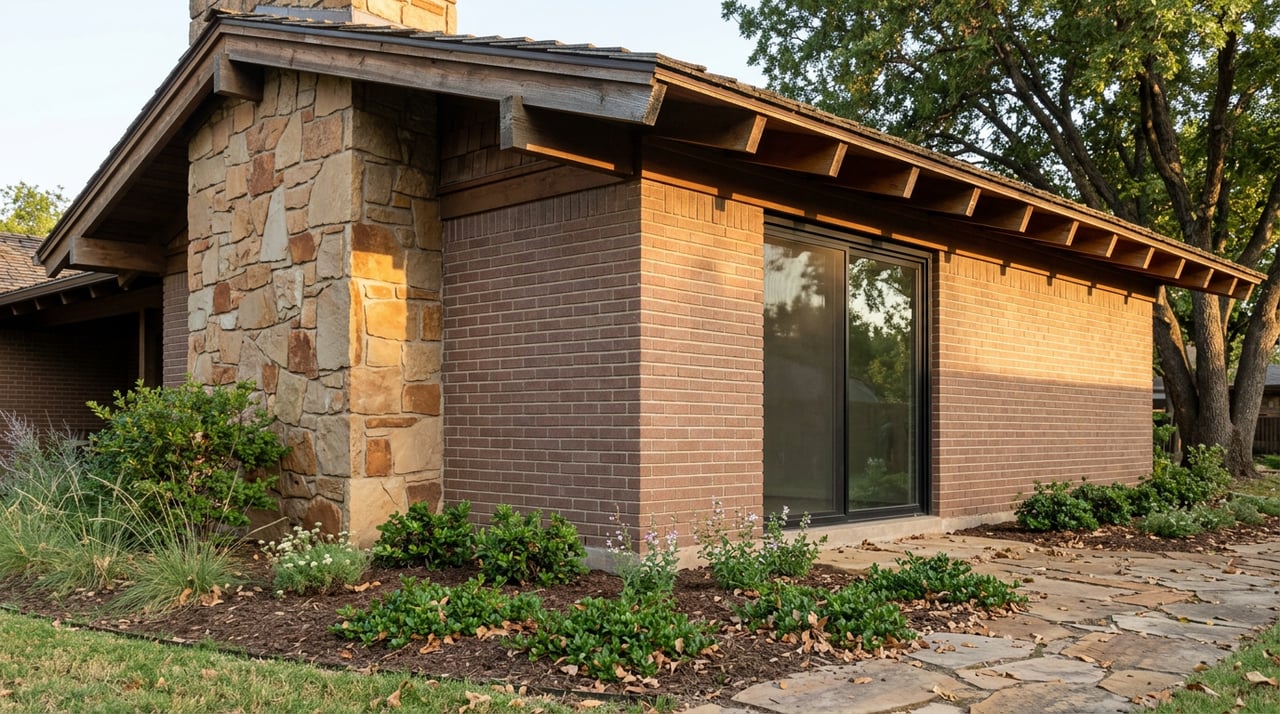
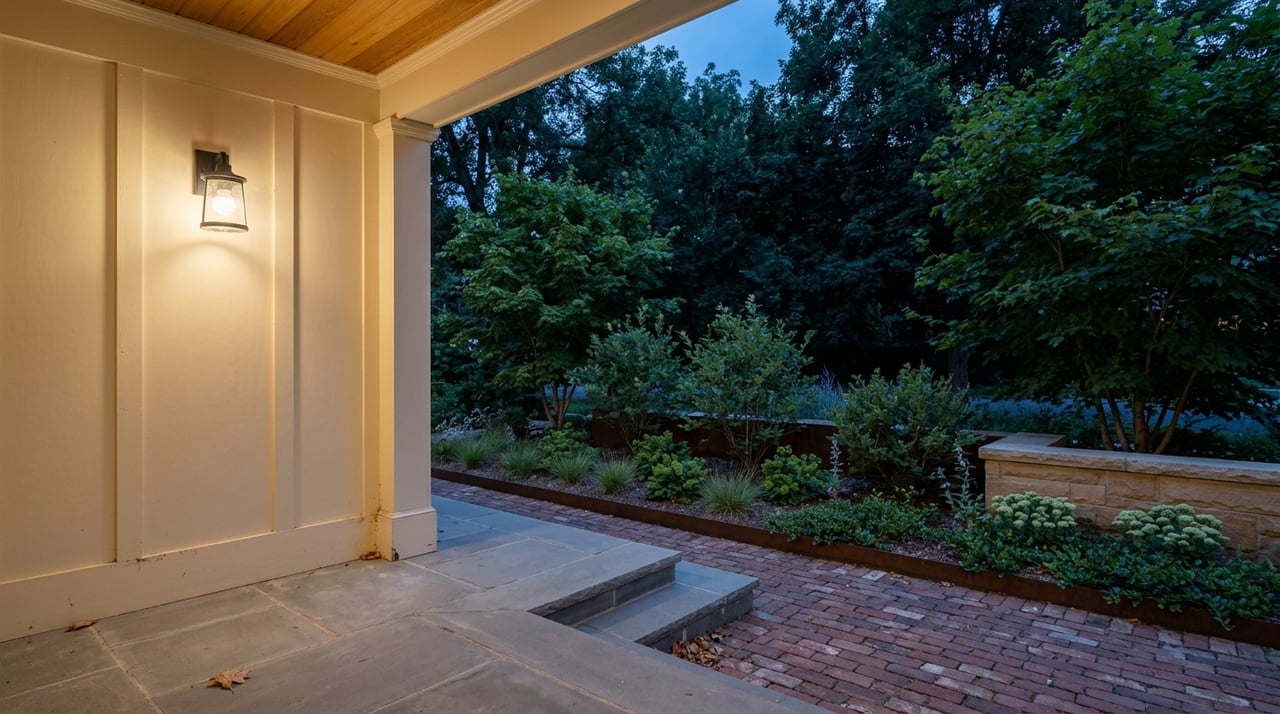
Luxury here is not just about square footage. In Whittier, it is often better understood as a mix of location, lot character, historic pedigree, and renovation quality.
What counts as luxury here
One of the biggest misconceptions about Downtown Boulder’s luxury market is that every home near downtown belongs in the same category. The data suggests otherwise. This is a premium in-town market, but not a single, uniform luxury tier.
Zillow places Whittier’s average home value at $904,483, up 0.3% year over year as of March 31, 2026. Realtor.com reports a median home price of $975,000, 20 active listings, and a median of 70 days on market as of January 2026.
That pricing becomes more meaningful when you compare it with nearby areas. Realtor.com reports Central Boulder at $1.975 million, Old North Boulder at $2.095 million, and Mapleton Hill at $3.6 million. So while Whittier absolutely includes luxury properties, especially on select blocks and in standout historic homes, the neighborhood as a whole is more nuanced than a headline number might suggest.
The broader downtown label also covers a wider mix of housing. Realtor.com places the Downtown Boulder neighborhood median at $889,099, which reinforces the idea that the luxury story is concentrated in specific homes rather than spread evenly across the entire area.
Market context for 2026
It also helps to zoom out to the citywide market. In Boulder’s single-family market in March 2026, the median sales price was $1,290,000 and the average sales price was $1,612,032.
That gap between median and average tells you something important. Boulder has a meaningful upper-end market, and high-value homes pull the average up. At the same time, inventory sat at 3.7 months, average days on market were 84, and sellers received 96.5% of list price year to date.
For you as a buyer or seller, this means patience and precision matter. It is a market where strong homes can still command attention, but pricing, condition, and property-specific details carry real weight.
What drives value in Whittier
In Whittier, value tends to come from a handful of factors working together. The strongest homes usually combine a compelling location, appealing lot character, architectural presence, and high-quality updates.
Walkability is one of the clearest drivers. Downtown Boulder offers shopping, restaurants, lodging, entertainment, services, parking garages, and on-street parking, while Pearl Street Mall remains one of the city’s signature destinations. For many buyers, being able to enjoy that access on foot is part of the premium.
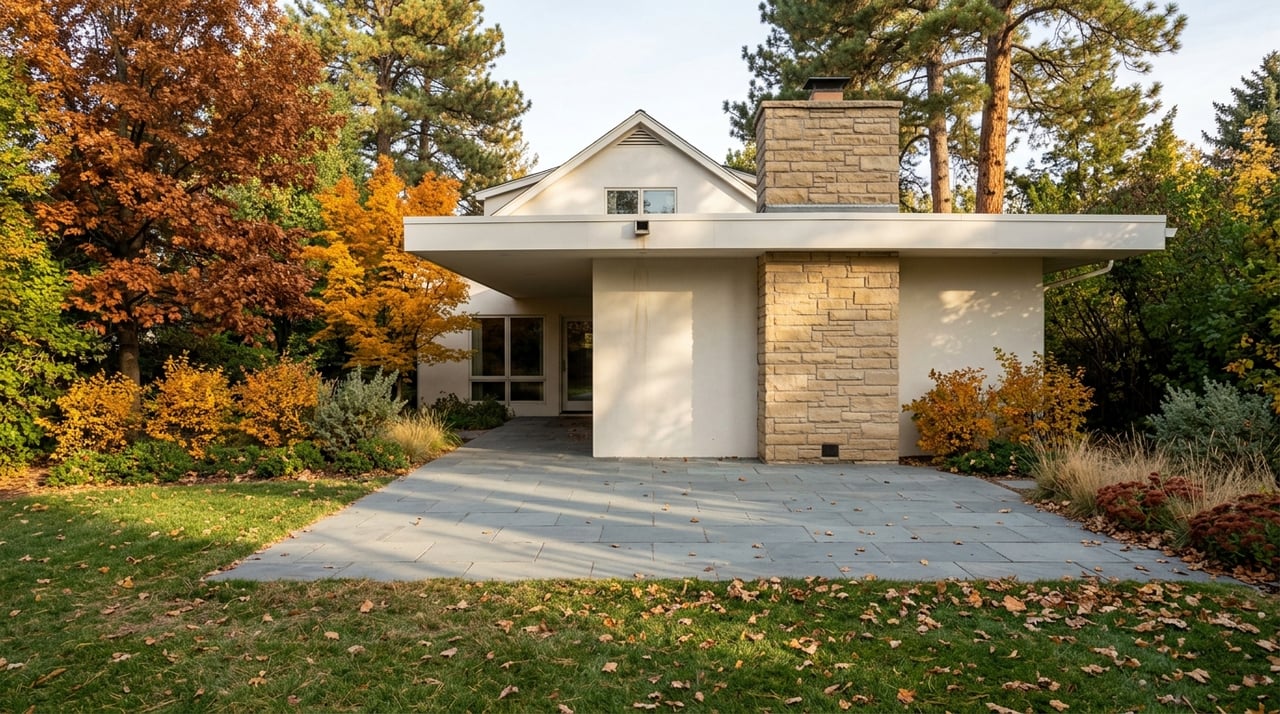
Historic character also plays a major role. Boulder has 10 historic districts and more than 1,300 designated properties, and the surrounding streetscape can contribute to a neighborhood’s significance just as much as an individual home does.
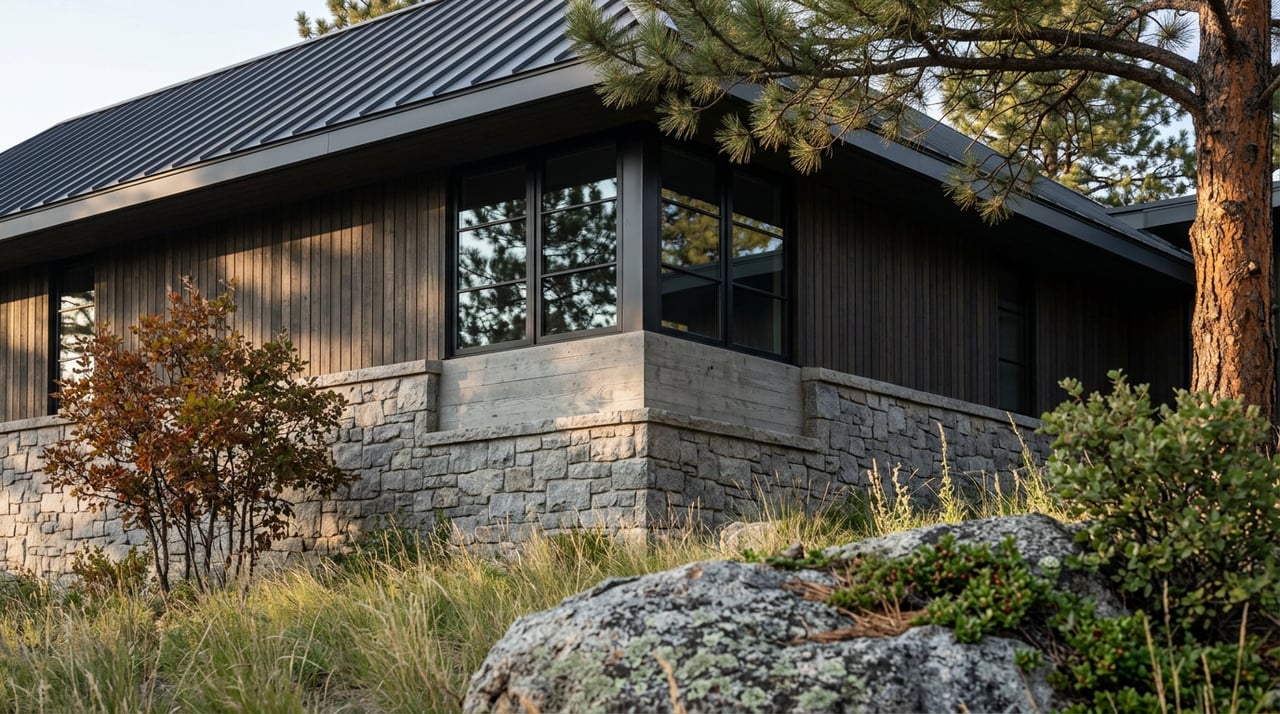
Then there is renovation quality. In this part of Boulder, buyers often look beyond raw size and focus more closely on how thoughtfully a home has been improved. Design, materials, layout decisions, and how well updates respect the original character can all influence how a property is perceived.
Historic review can affect your plans
If you are buying in Whittier, historic review is not a side issue. It can directly affect timelines, renovation plans, and even how you evaluate value before making an offer.
Boulder’s rules say exterior changes to landmarked or historic-district properties require a Landmark Alteration Certificate. Even more important, this review is not limited to older designated homes alone. Any property inside a historic district needs Landmark Alteration Certificate review for exterior changes, including newer buildings, and non-designated buildings older than 50 years can still trigger demolition review.
That catches many people by surprise. You may assume a simple exterior upgrade is routine, only to learn that it needs review first.
Common projects that may fall under review include:
- Roofing
- Repainting
- Fences
- Additions
- Solar panels
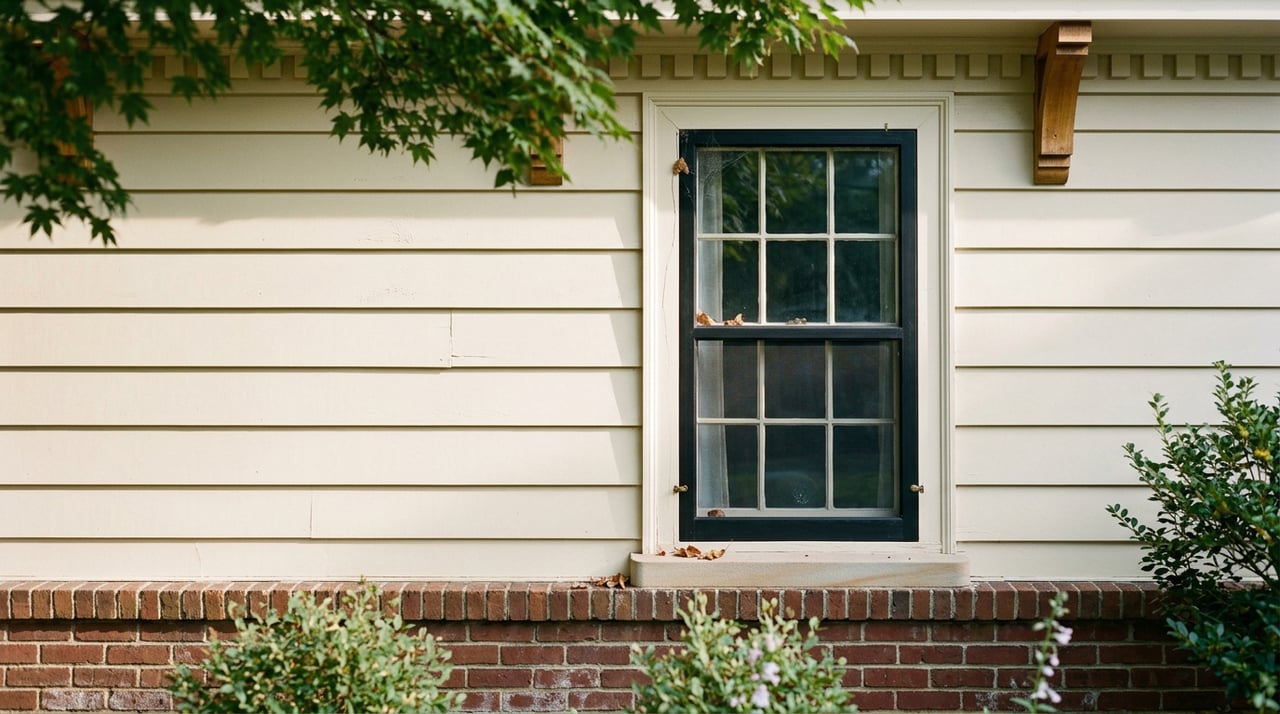
- Window changes
- Door changes
The city says that if an application is complete and approved at staff or Landmarks Design Review Committee level in one round, the process generally takes 2 to 4 weeks. If the project goes to the Landmarks Board, review can take 6 weeks to 3 months.
That timing matters whether you are buying a home with future plans or preparing a property for sale. It can shape budgets, closing expectations, and how you sequence improvements.
What buyers should look at closely
If you are shopping for a luxury or premium in-town home in Whittier, look past the surface first impression. A beautiful kitchen or polished primary suite matters, but it is only part of the story.
Start with the basics of property status. Is the home landmarked, located in a historic district, or old enough that future demolition review could apply? Those answers can help you understand what ownership may look like over time.
Next, look at where the value really lives. In Whittier, that may come from the lot, the block, the home’s architectural character, or the quality of renovation more than simple square footage alone.
It also helps to think through day-to-day logistics. The city’s Neighborhood Parking Permit program lists Whittier at 8 a.m. to 8 p.m. Monday through Friday, with a Whittier night zone requiring permits Friday and Saturday from 8 p.m. to midnight. For a buyer coming from a less urban setting, parking rules can shape how the home functions in daily life.
What sellers can do to stand out
For sellers, Whittier rewards thoughtful preparation. Because the neighborhood spans different price points and property types, strong presentation and disciplined positioning can make a meaningful difference.
Documentation is a smart place to start. Clear records for permitted work and a well-organized file of improvements can help reduce buyer hesitation, especially when a home has been renovated.
Presentation matters too. In a design-conscious Boulder market, staging and visual polish can help buyers understand not only the house itself but also the lifestyle and architectural story it offers.
Pricing is where strategy matters most. Whittier, Downtown Boulder, Central Boulder, Old North Boulder, and Mapleton Hill can sit in very different pricing tiers, so your home should be positioned by its exact location, finish level, and property characteristics rather than broad downtown assumptions.
The real takeaway on Downtown Boulder luxury
In Whittier, luxury is rarely about size alone. The homes that stand out most often pair a central location with historic setting, walkability, lot quality, and carefully executed updates.
That is why this market can feel so rewarding and so property-specific at the same time. Two homes with similar square footage may command very different interest depending on block, condition, architectural character, and what future changes may require review.
If you are buying, that means asking sharper questions before you commit. If you are selling, it means presenting and pricing your home with a clear understanding of what makes it special in this very local, very nuanced market.
If you are considering a move in Whittier or anywhere in Boulder’s in-town luxury market, working with a local advisor who understands design, historic context, and neighborhood-level pricing can make the process feel much clearer. To start the conversation, connect with Anne Wells.
FAQs
Is Whittier in Boulder truly a luxury neighborhood?
- Whittier is better described as a premium in-town market with select luxury properties rather than one uniform luxury tier. Standout homes often derive value from location, historic character, lot quality, and renovation level.
What historic review rules apply to Whittier homes in Boulder?
- In Boulder, exterior changes to landmarked or historic-district properties require a Landmark Alteration Certificate. Even newer buildings inside a historic district can require review, and some non-designated buildings older than 50 years may trigger demolition review.
How long does historic approval take for Boulder properties?
- If a complete application is approved at staff or LDRC level in one round, review generally takes 2 to 4 weeks. Landmarks Board review can take 6 weeks to 3 months.
What kinds of exterior work may need review in Whittier?
- Common examples include roofing, repainting, fences, additions, solar panels, and changes to windows or doors.
How does parking work in Whittier, Boulder?
- The city’s Neighborhood Parking Permit program lists Whittier parking controls from 8 a.m. to 8 p.m. Monday through Friday, with a Whittier night zone requiring permits Friday and Saturday from 8 p.m. to midnight.
How should sellers price a home in Whittier, Boulder?
- Sellers should price based on micro-location, finish level, lot character, and the home’s overall condition rather than relying on a broad downtown label. Nearby Boulder neighborhoods can sit at very different price tiers.