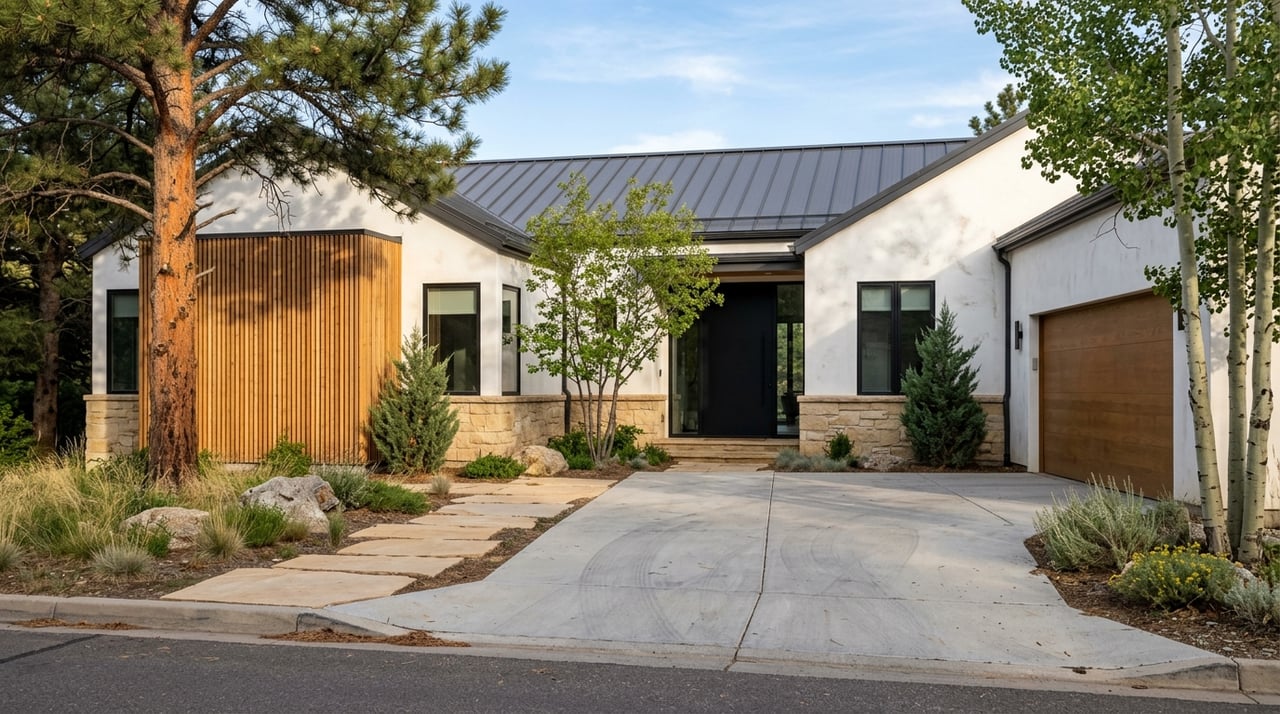
If you own a home in Mapleton Hill, you are not just preparing a property for sale. You are presenting a piece of Boulder’s architectural story to a buyer who likely wants both historic character and everyday comfort. That can feel like a delicate balance, especially in a local historic district where the details matter. The good news is that with the right preparation, you can highlight what makes your home special while helping today’s buyer see how beautifully it can support modern living. Let’s dive in.
Start With Mapleton Hill’s Historic Context
Mapleton Hill is one of Boulder’s local historic districts, designated in 1982 and expanded in 2002. According to the City of Boulder, it is the city’s third and largest historic district, with roughly 500 homes and about 57 percent built before 1910.
That context matters when you prepare your home for the market. Buyers are often drawn to Mapleton Hill because of its layered architecture, mature trees, varied rooflines, and strong historic streetscape. In other words, your home is not competing on square footage alone. It is part of a larger setting that adds meaning and appeal.
Know What Changes Require Review
Before you tackle exterior updates, it is important to understand Boulder’s preservation rules. The City of Boulder requires review and approval through a Landmark Alteration Certificate for all exterior changes to a property that is individually landmarked or located within a historic district.
That does not mean your home has to stay frozen in time. Boulder’s preservation framework is built around sensitive change, not no change. Still, if you are thinking about updates to windows, fences, additions, garages, or other exterior features, it is wise to factor review requirements into your preparation timeline.
Focus on Repair Before Replacement
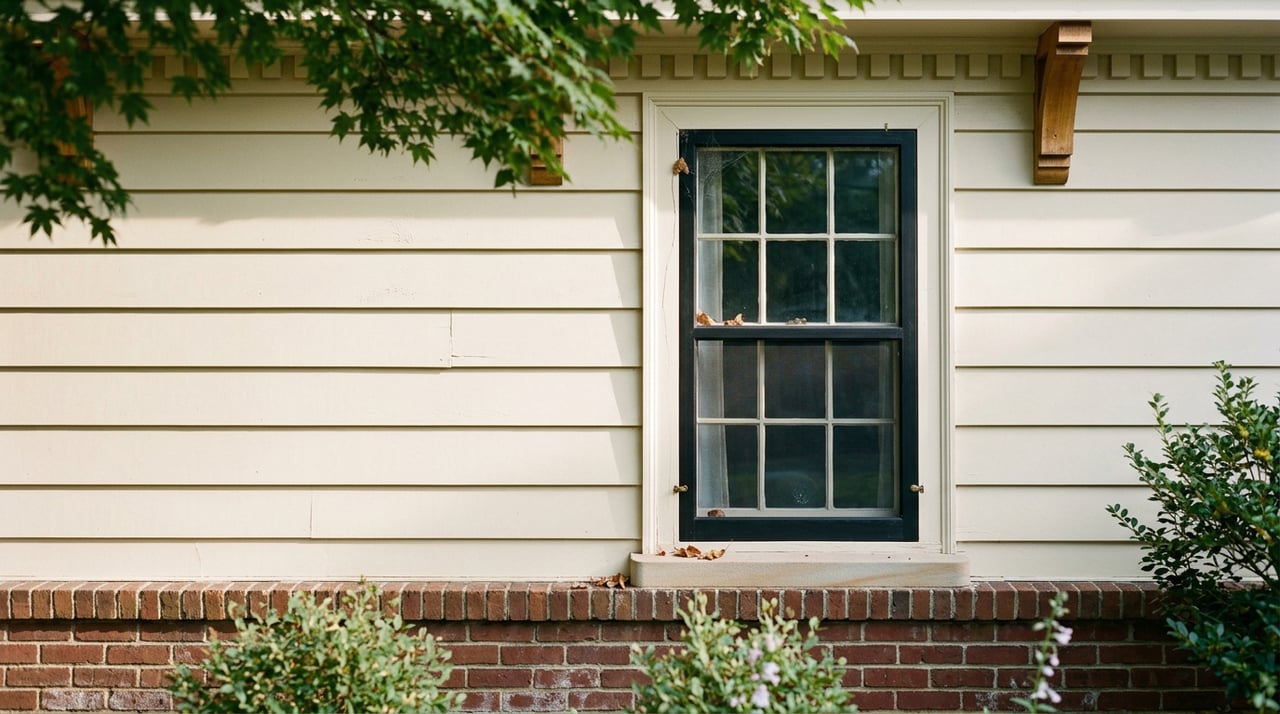
One of the clearest themes in Boulder’s historic district guidelines is to preserve and repair whenever possible. Existing walls, windows, and exterior features should generally be repaired rather than replaced, and any repairs or additions should use materials that are similar in type and scale to the existing building.
For sellers, this is often a smart strategy anyway. A well-maintained historic home tends to feel more authentic than one with rushed or overly aggressive updates. Buyers in Mapleton Hill are often looking for original character that has been cared for, not erased.
Protect the Features Buyers Notice First
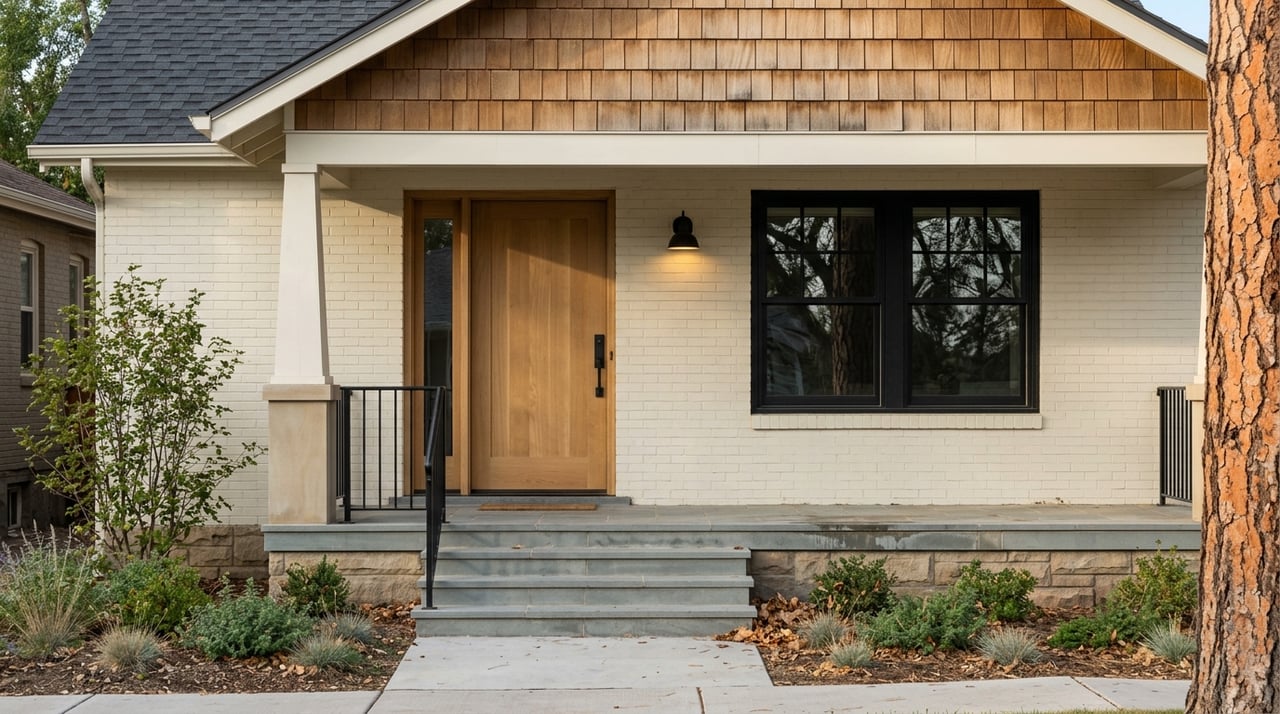
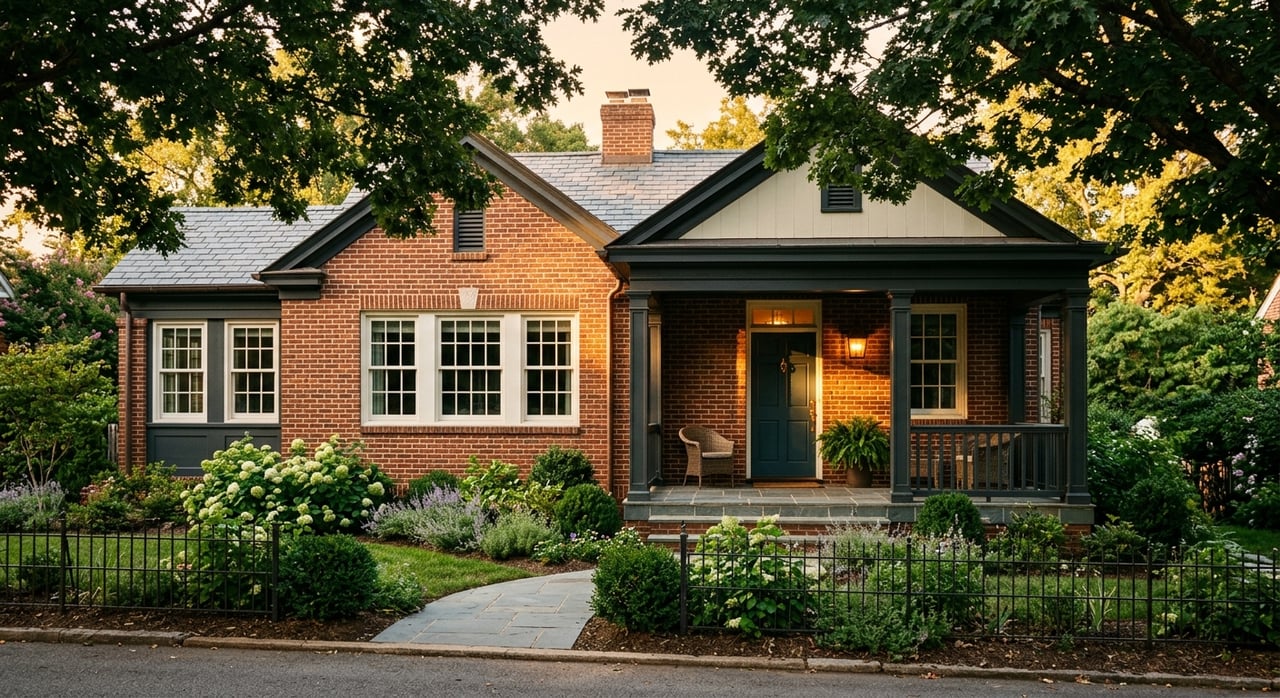
In Mapleton Hill, character-defining elements do a lot of heavy lifting. Front porches are a great example. Boulder’s guidelines note that original porches should be preserved and that enclosing a front porch can negatively affect the visual character of both the home and the streetscape.
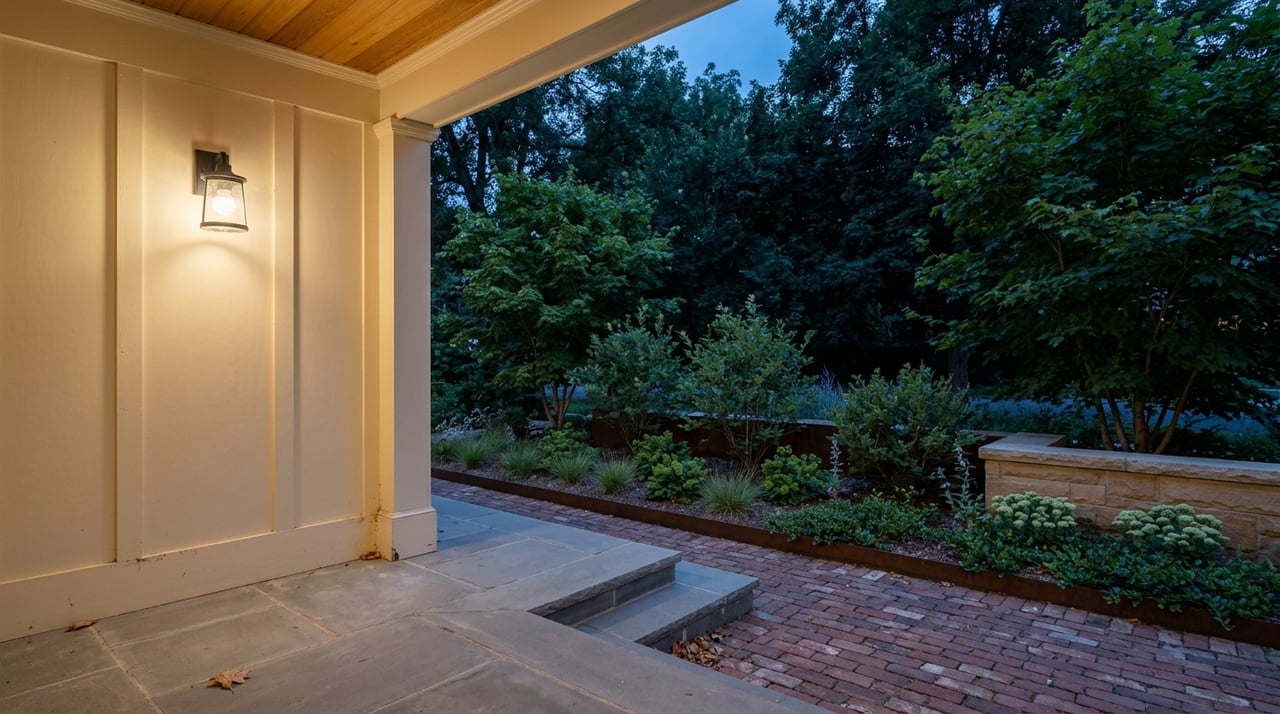
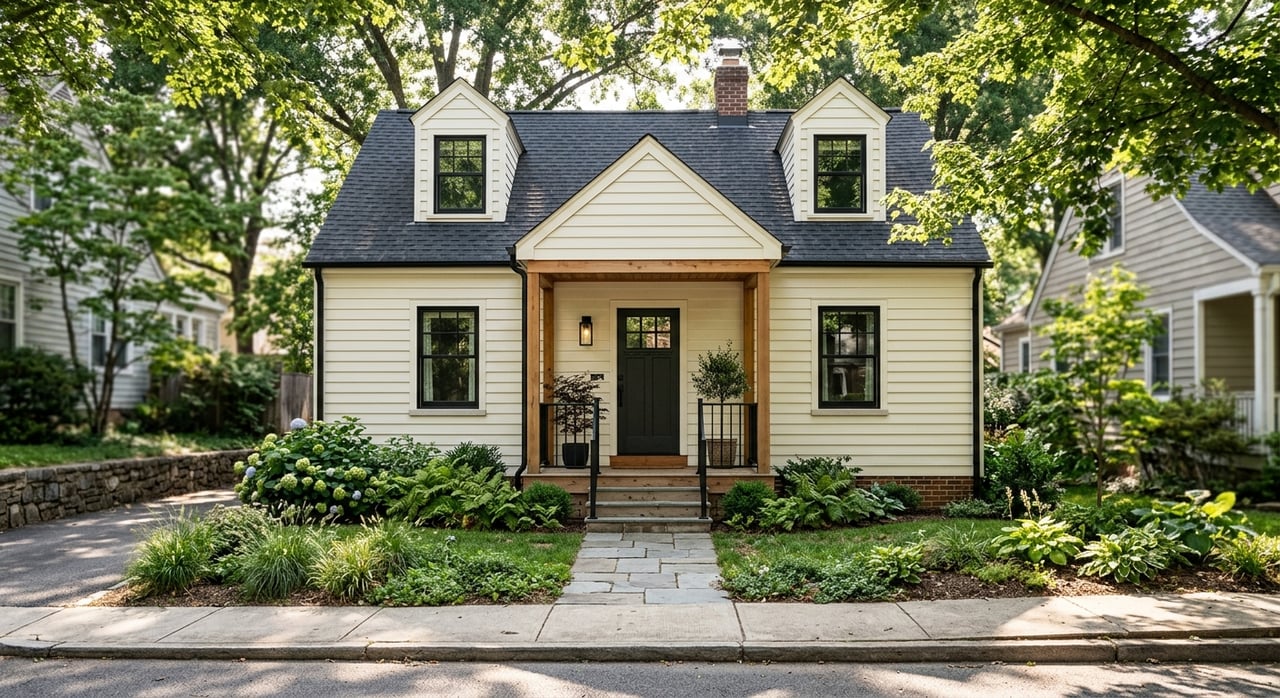
If your home has a porch, treat it like a feature, not an afterthought. Clean surfaces, simple seating, tidy paint, and an open, uncluttered look can help the porch read as an extension of the home’s historic appeal. In this neighborhood, porches are part of the first impression.
Stage for Clarity, Not Perfection
Today’s buyers want to imagine themselves living in the home, and staging helps them do that. The National Association of Realtors reported that 83 percent of buyers’ agents said staging made it easier for buyers to visualize a property as a future home. Their staging guidance defines the process as cleaning, decluttering, repairing, depersonalizing, and updating the home.
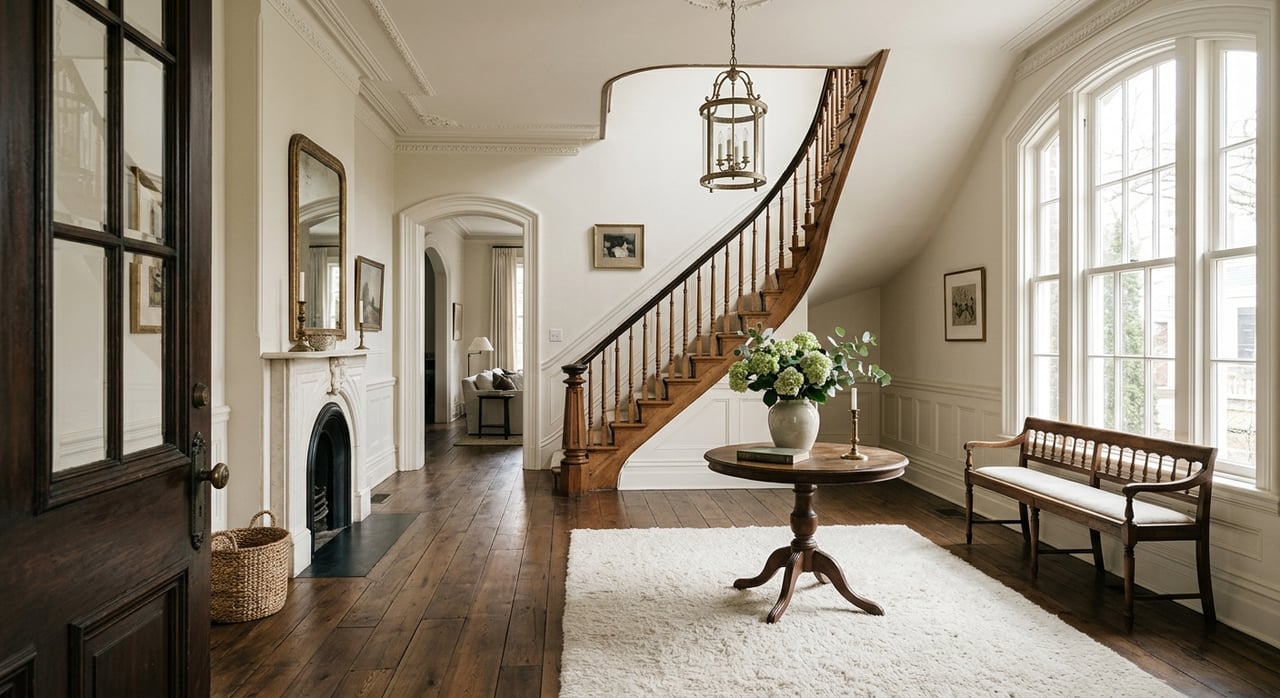
In a historic property, staging works best when it makes the architecture easier to see. You want buyers to notice the woodwork, trim, windows, stairs, fireplaces, and original details without visual competition from too much furniture, heavy decor, or crowded surfaces.
Keep Rooms Light and Readable
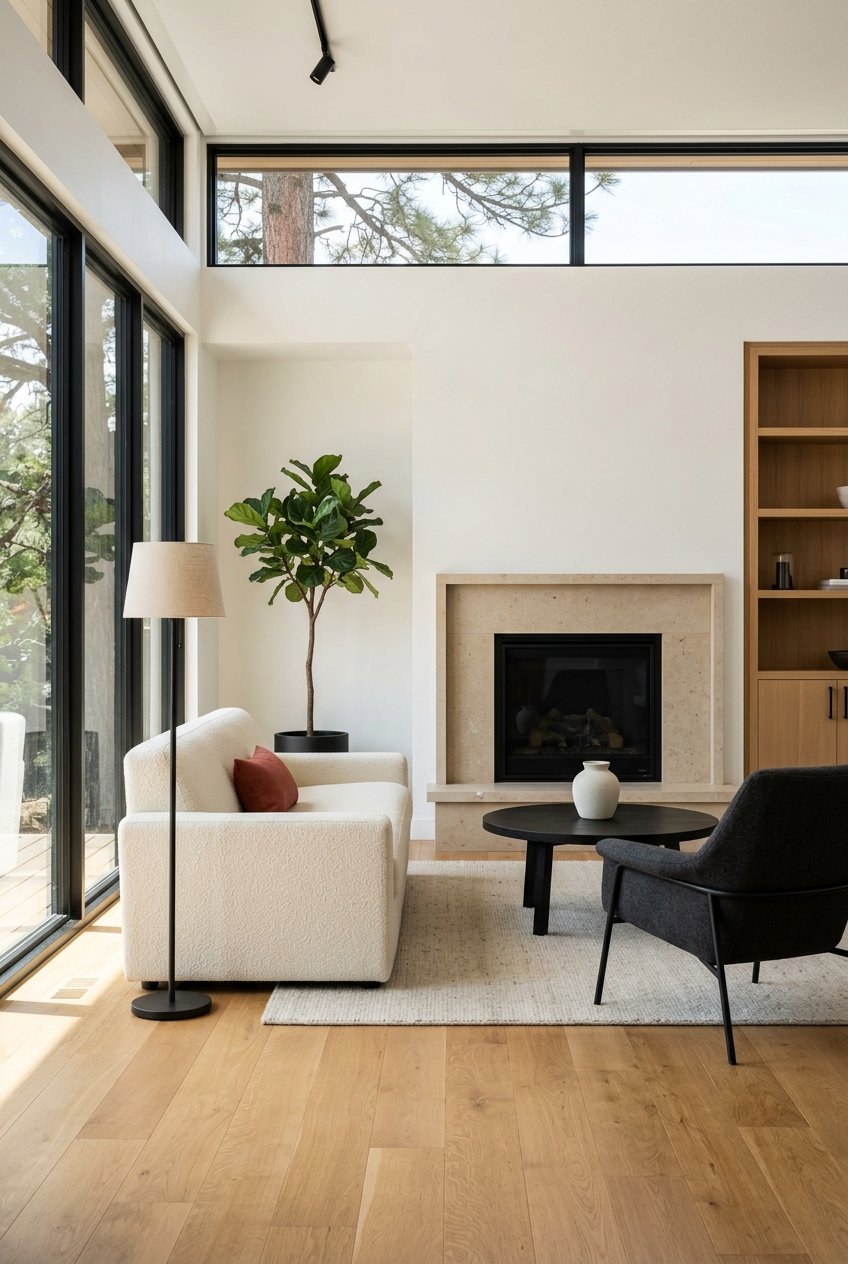
Historic homes can sometimes feel visually busy, even when they are beautiful. A lighter touch usually works best. Clean lines, edited furniture, neutral backgrounds, and simple window treatments can help buyers focus on the space itself.
This is especially useful in the rooms where staging most often appears, including living rooms, primary bedrooms, and dining rooms. You do not need to strip out personality. You just want the home’s best details to be easy to read.
Let Original Details Lead
If your home has built-ins, old-growth floors, detailed trim, a distinctive staircase, or a fireplace surround, make those the stars. Remove distractions that block sightlines or compete with those features.
In Mapleton Hill, buyers are often responding to authenticity. Presentation should support that by creating calm around the original architecture rather than trying to outshine it.
Choose Cosmetic Refreshes Carefully
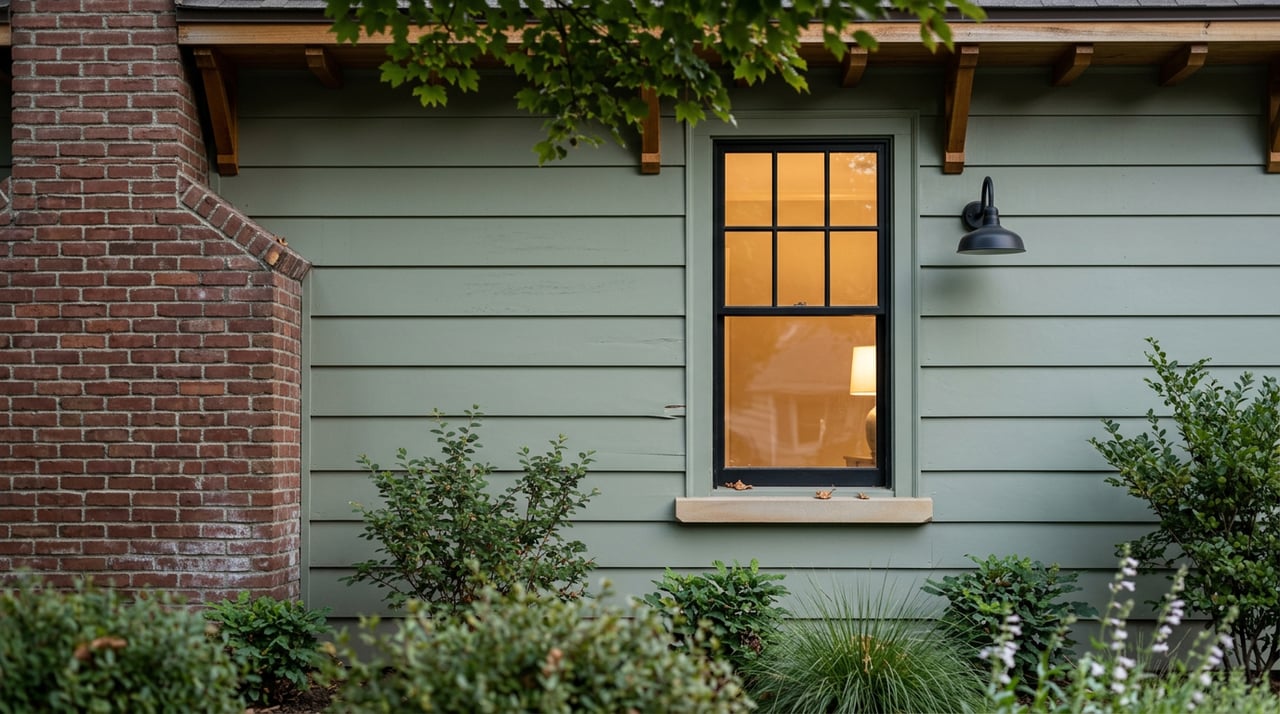
For many Mapleton Hill sellers, cosmetic improvements are more helpful than heavy-handed modernization. Fresh paint, polished finishes, updated lighting, clean hardware, and tidy landscaping can make a home feel cared for without compromising its historic identity.
This approach also lines up well with Boulder’s preservation goals, which favor compatibility and restraint. A buyer usually responds better to a house that feels fresh, functional, and true to itself than one that has been pushed into a style that does not fit the structure.
Address Comfort and Energy Questions
Historic charm is powerful, but comfort still matters. Buyers today are also paying attention to energy efficiency and everyday ease. In a 2025 sustainability release, the National Association of Realtors reported that 37 percent of agents said windows, doors, and siding were the most important green home features for clients.
For a Mapleton Hill home, that does not mean chasing a full exterior overhaul right before listing. It does mean thinking carefully about the home’s feel. If the house presents as well maintained, less drafty, and easier to live in, buyers may be more confident about the balance between character and comfort.
Be Strategic About Common Exterior Projects
Some exterior projects come up often in Mapleton Hill and still require careful planning. City materials and review patterns show that windows, rear additions, fences, garages, and accessory structures frequently move through Landmarks review.
If you are considering any last-minute work in these areas, pause before moving forward. In this district, even practical improvements should fit the home and the broader streetscape.
Fences and Outbuildings Matter
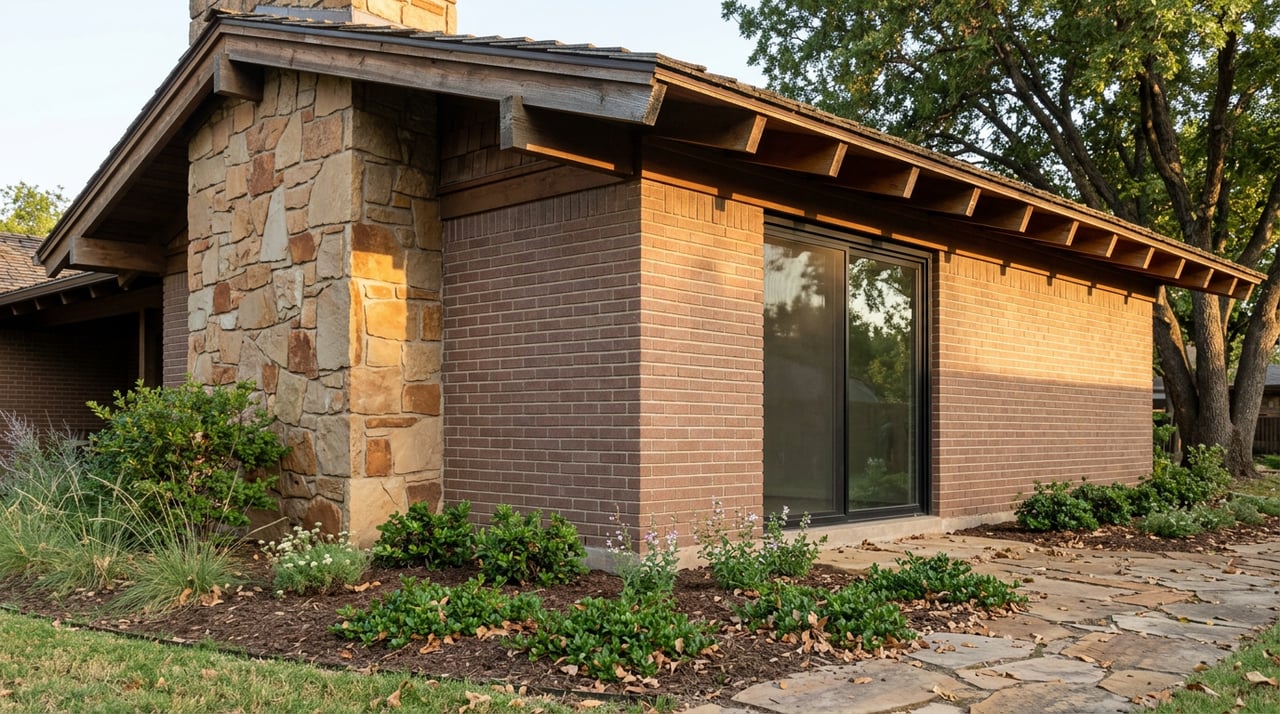
The Mapleton Hill guidelines say garages and accessory buildings should generally sit at the rear of the lot, remain smaller and secondary to the main house, and take design cues from the primary structure. The district guidance also notes that raw wood fences are inappropriate and that fences should be painted or stained.
These details may seem small, but buyers notice them. A fence finish, garage placement, or accessory building design can shape how cohesive the property feels as a whole.
Highlight the Streetscape, Not Just the House
One of Mapleton Hill’s biggest advantages is that the neighborhood setting contributes to value. Boulder notes that historic district significance can come from sidewalks, tree canopy, and the pattern of buildings, not just the houses themselves.
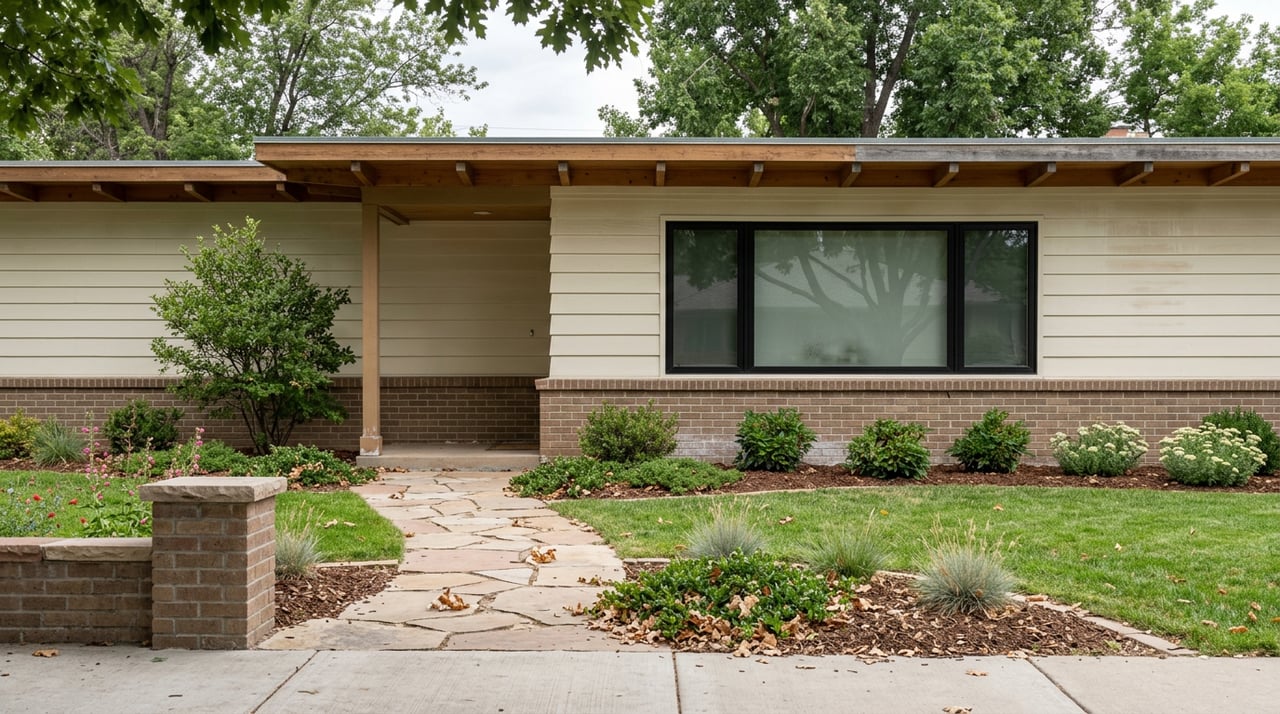
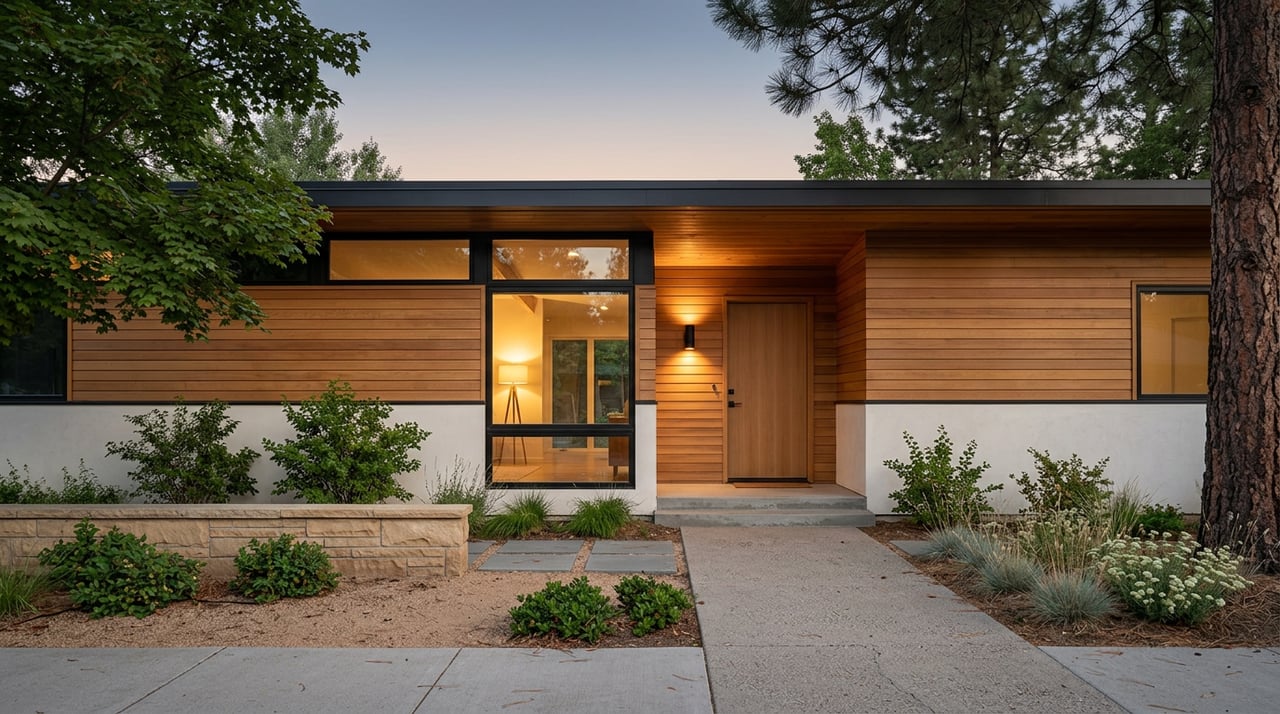
That means curb appeal deserves real attention. As you prepare for listing photos and showings, think beyond the front door. Mature trees, the relationship between the house and the lot, an open front porch, and alley-oriented garages or carriage-house style accessory buildings all help tell the story buyers are coming to Mapleton Hill to find.
Build a Listing Story Around Authenticity
The strongest Mapleton Hill listings usually do more than describe finishes and square footage. They frame the home within the district’s identity. City materials describe Mapleton Hill as a richly layered historic area with varied architecture, a long period of significance from 1865 through 1946, and deep connections to some of Boulder’s earliest civic assets.
That kind of context can make your home feel memorable. Buyers often connect with a property more deeply when they understand that it offers not only a place to live, but also a sense of continuity, design character, and place.
Add Boulder Lifestyle Context
A secondary story that can support your listing is outdoor access. The City of Boulder notes that the city has 45,000 acres of preserved open space and more than 150 miles of trails. The Centennial Trailhead information also identifies Broadway and Mapleton as a bus-stop access point, with a walk or bike ride west to the trailhead.
For the right buyer, that blend is compelling. Mapleton Hill can offer a historic in-town address along with connection to Boulder’s broader outdoor lifestyle. That is part of what makes the neighborhood feel so distinct.
The Goal: Cared For, Comfortable, and True
The best-prepared Mapleton Hill home is rarely the one with the most dramatic changes. More often, it is the one that feels cared for, lightly updated, visually calm, and respectful of its original architecture.
That is the sweet spot today’s buyer tends to respond to. When your home shows authenticity and ease of living at the same time, it becomes easier for buyers to picture not just owning it, but truly enjoying it.
If you are getting ready to sell in Mapleton Hill and want thoughtful guidance on preparation, staging, and market positioning, Anne Wells can help you create a strategy that fits both your home and the neighborhood.
FAQs
What makes Mapleton Hill different from other Boulder neighborhoods when selling a home?
- Mapleton Hill is one of Boulder’s local historic districts, with a strong historic streetscape, mature trees, and many older homes, so buyers often value architectural character and setting alongside the house itself.
Do exterior changes to a Mapleton Hill home need city approval?
- Yes, the City of Boulder says exterior changes to properties in a historic district require review and approval through a Landmark Alteration Certificate.
How should you stage a historic home in Mapleton Hill?
- Focus on cleaning, decluttering, repairing, depersonalizing, and updating so buyers can clearly see original details like trim, windows, stairs, fireplaces, and woodwork.
What improvements are usually most helpful before listing a Mapleton Hill home?
- Cosmetic refreshes such as fresh paint, polished finishes, clean lighting, simple window treatments, and tidy landscaping are often more effective than major changes that diminish historic character.
Why do front porches matter when preparing a Mapleton Hill home for sale?
- Boulder’s guidelines identify porches as important visual elements, and preserving an open, clean, simple porch helps support both the home’s character and the neighborhood streetscape.
What neighborhood features should a Mapleton Hill listing highlight?
- Mature trees, sidewalks, front porches, historic architecture, alley-oriented garages or accessory buildings, and broader Boulder access to open space and trails can all strengthen the property story.