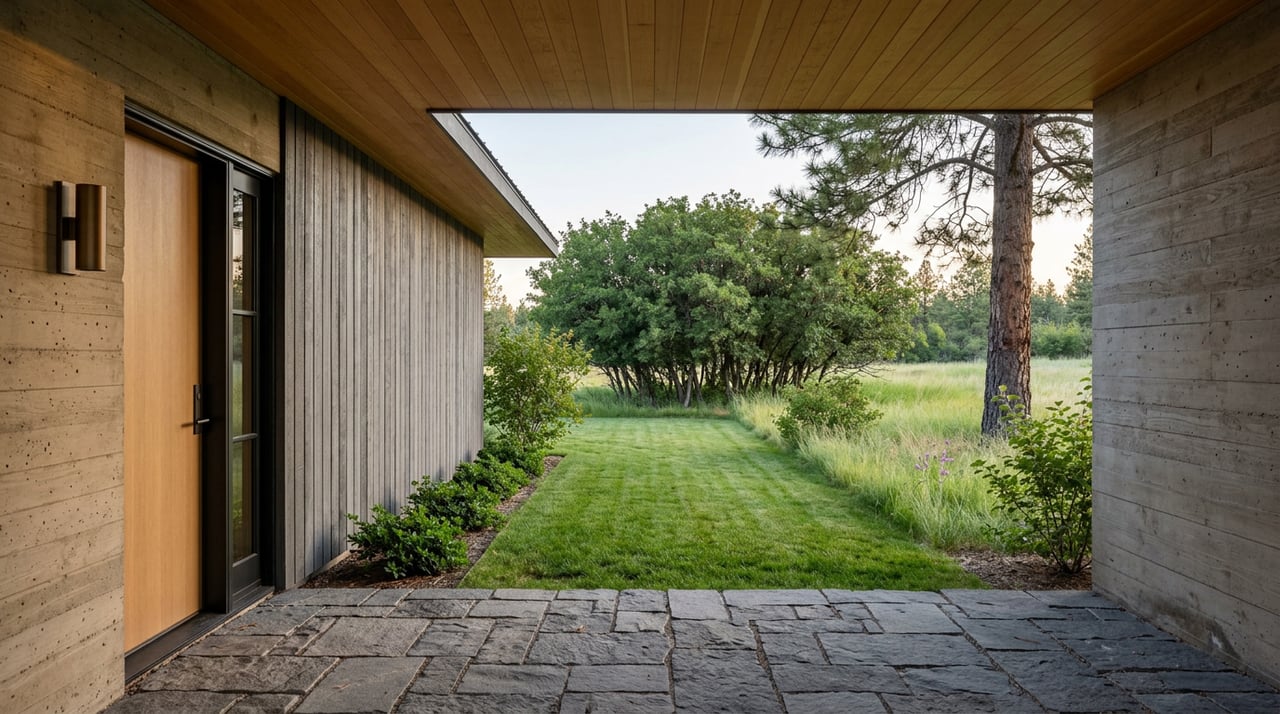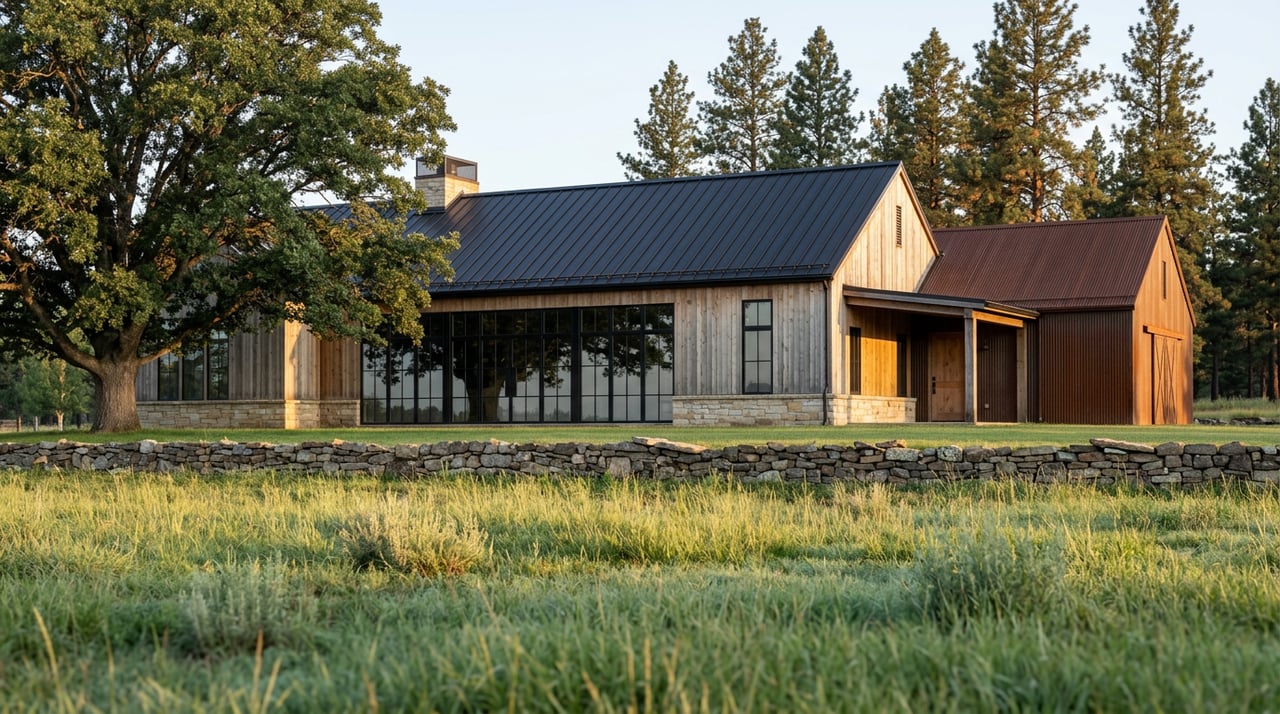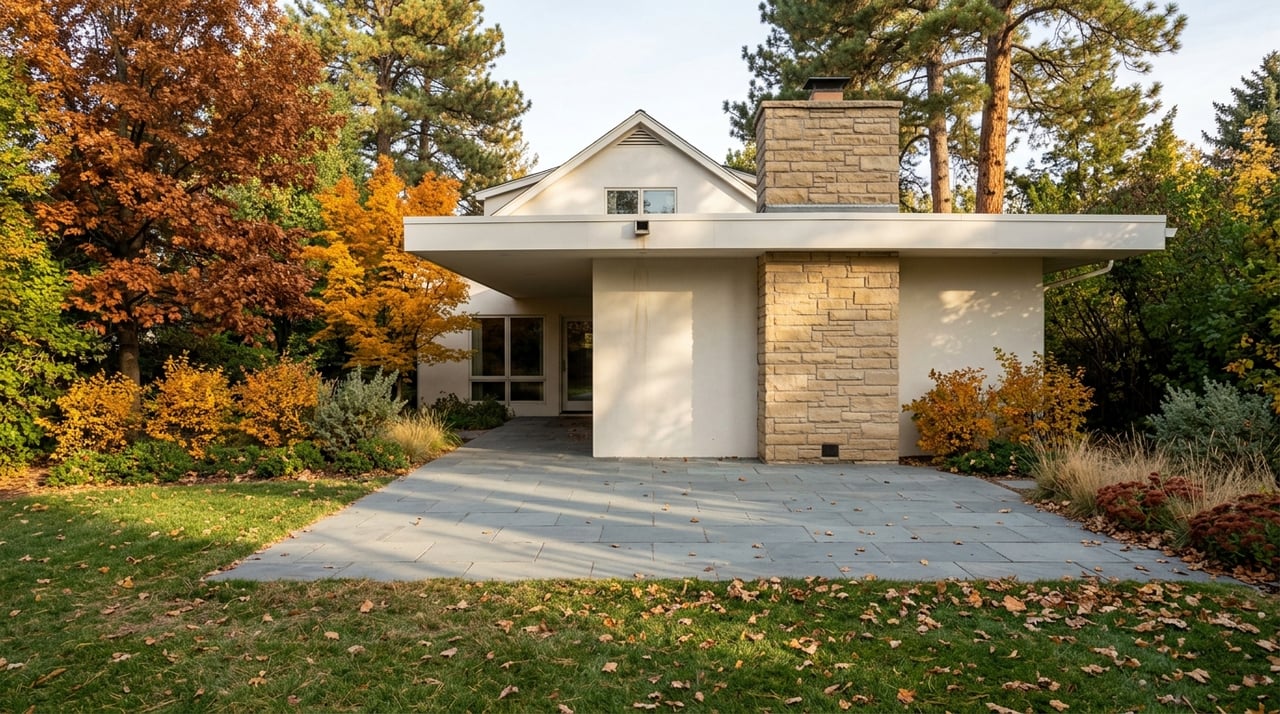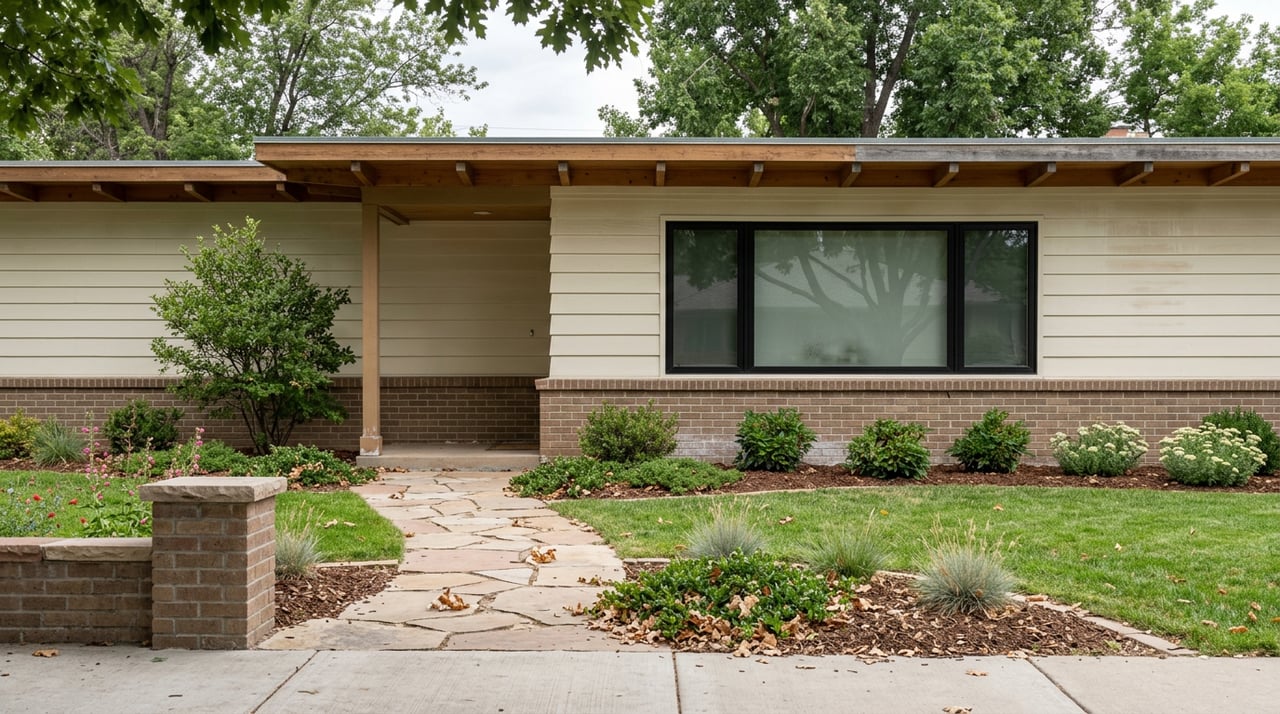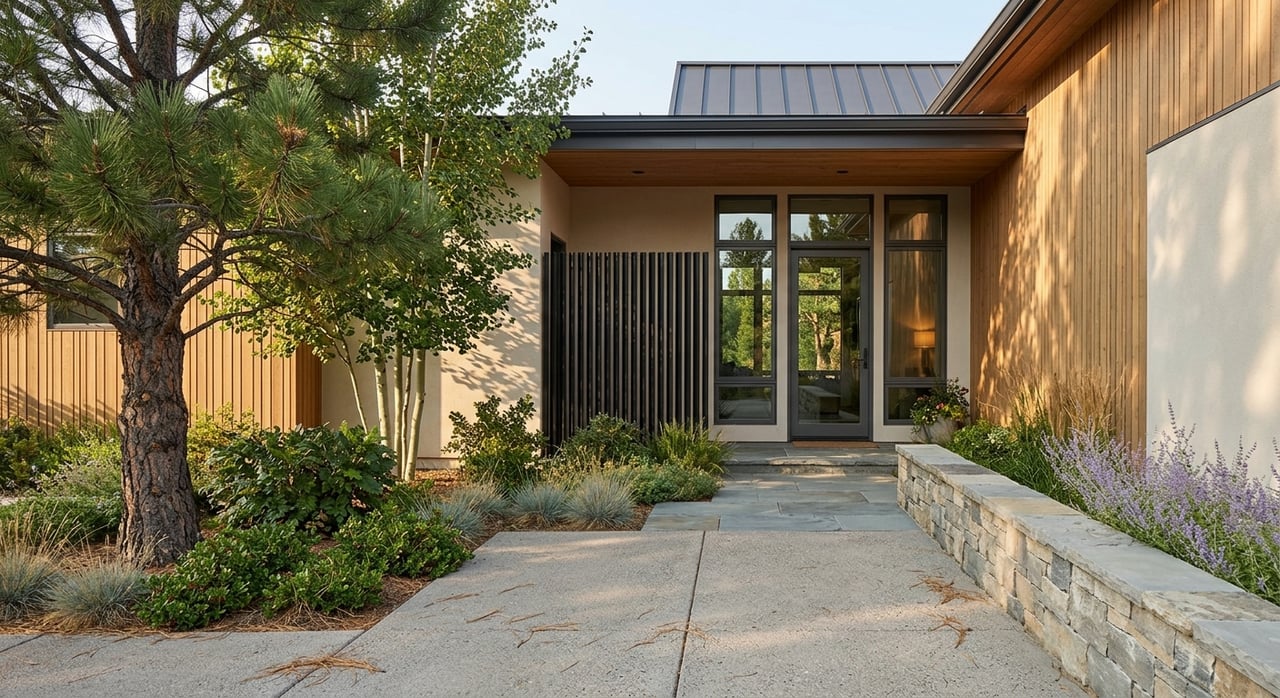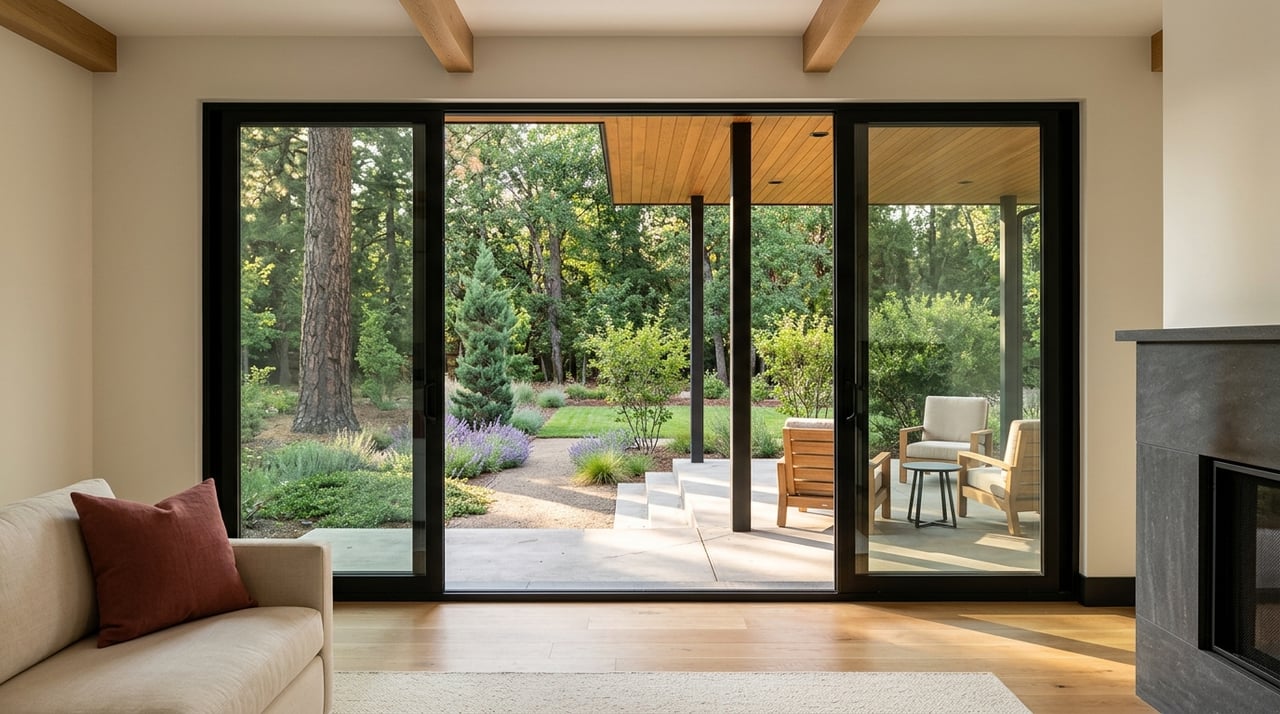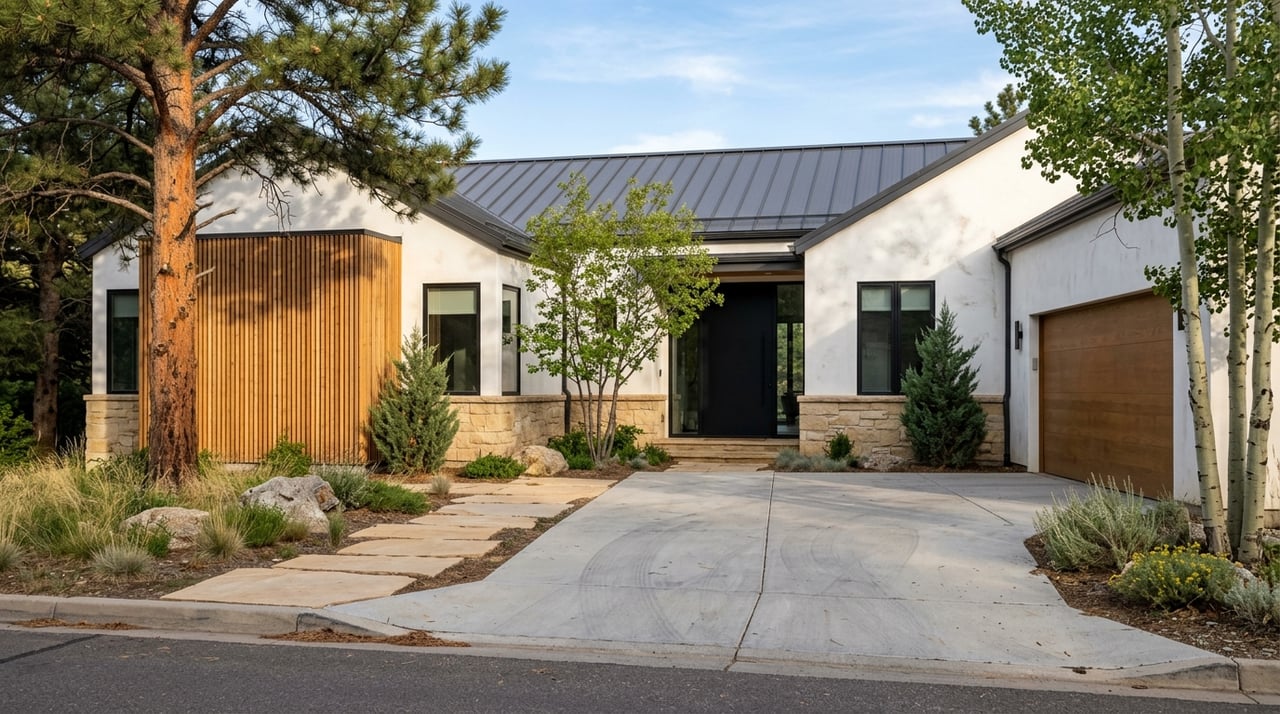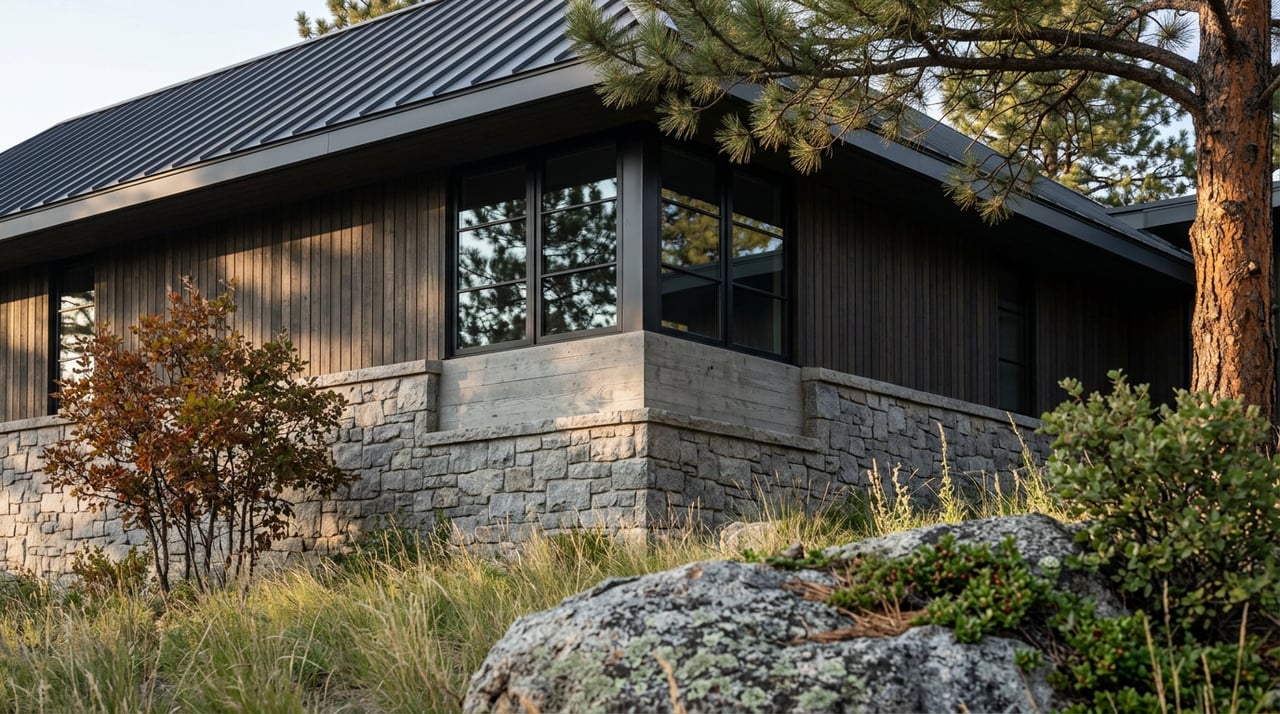
A buyer falls for a home off Sunshine Canyon Drive. The price feels fair, the appraisal comes in clean, and the inspection turns up nothing that would stop a sale in town. Then the insurance quote comes back, and it is nothing like what the seller has been paying. Sometimes it is nothing at all. A carrier looks at the parcel and declines outright, and the buyer's lender, which requires proof of homeowners coverage before it will fund, puts the closing on hold while everyone scrambles for another quote.
This is not a rare story in Boulder County's mountain and foothills communities right now. It is close to routine. And it points to something buyers comparing an in-town Boulder listing to a foothills one consistently get wrong: the assumption that "harder to insure" is a fact about the area. It is actually a fact about the parcel. Two houses on the same road, built the same year, can land on opposite sides of a coverage decision, and the gap between them is the real number a buyer needs before writing an offer, not the number on the listing sheet.
The Score Doesn't See "The Mountains." It Sees Your Address.
Carriers writing policies in Colorado no longer price wildfire risk off a regional map. They run individual addresses through property-level scoring tools, models like Verisk FireLine, CoreLogic's Wildfire Risk Score, and Zesty.ai's Z-FIRE, that weigh the specific conditions at that parcel. Proximity to undeveloped wildland, slope, the density of standing timber near the structure, roof material, the width and grade of the driveway, and distance from a staffed fire station all factor in. Two neighbors on the same street can generate different scores because one has heavy timber crowding the house and a single steep driveway while the other cleared defensible space years ago and sits on flatter ground closer to the road.
That granularity is why the aggregate numbers for Colorado's foothills communities look so severe and still don't tell an individual buyer what their policy will cost. Statewide, average premiums for a standard $300,000 policy climbed to $4,072 as of the most recent full-year data, a 57.9 percent jump since 2018. In Boulder County's wildland-urban interface, increases of 150 to 300 percent are common, and it is not unusual to see premiums exceed $8,000 to $10,000 a year for a property that cost a fraction of that to insure a decade ago. Communities including Nederland, Jamestown, and parts of unincorporated Boulder County are seeing non-renewal rates that run five to ten times the statewide average, meaning carriers are dropping longtime, claim-free customers, not just declining new applicants.
None of that is evenly distributed. It is the difference between a house that has done the mitigation work and can prove it, and one that hasn't. Which is exactly what changed on July 1, 2026.
What Changed On July 1, 2026
Colorado's HB 1182 took effect that date, and it is the first law in the state requiring insurers to show homeowners the wildfire risk score driving their premium instead of applying it as an invisible input. Under the law, any insurer using a wildfire or catastrophe model to underwrite, price, non-renew, or surcharge a homeowners policy must send an annual written notice disclosing the score, any classification used, and the mitigation discounts available. It also requires carriers to factor documented mitigation work, defensible space clearing, ember-resistant vents, a Class A roof, into that score and pricing, even if the insurer doesn't have a formal mitigation model of its own.
For a foothills buyer, this turns mitigation documentation into something closer to a financial instrument than a good habit. Boulder County's own Wildfire Partners program, which sends a certified assessor to evaluate a property and produce a completion certificate, is already accepted by Allstate, State Farm for existing customers, and USAA as proof of that work. A house with a current Wildfire Partners certificate walks into an underwriting conversation with paperwork that argues its case. A house without one is starting from zero, regardless of how much brush the seller cleared last summer.
That distinction matters more here than in most Front Range communities. The Fourmile Canyon Fire in 2010 burned through the mountains west of Boulder and destroyed 169 homes, and it sits in underwriting memory the way the Marshall Fire sits in memory for Louisville and Superior. Carriers writing in this county are not guessing at whether wildfire is a real exposure. They are pricing a documented one.
Before writing an offer on a foothills or mountain property, ask the seller for three specific things: their current insurance carrier and whether the policy has been non-renewed, whether the property holds a current Wildfire Partners certificate, and a copy of any wildfire risk score notice they've received. That last document did not exist before July of this year. Now it does, and it is the single clearest way to compare two properties that look identical on paper.
Two Foothills Homes, Same Price, Different Math
The point isn't that foothills living costs more than in-town Boulder living, though it generally does. It's that the gap between two foothills homes at the same price point can be just as wide as the gap between foothills and town, depending on documentation and infrastructure most buyers never think to ask about.
| Cost System | What Varies | Why It Matters at Closing |
|---|---|---|
| Insurance | Wildfire risk score, mitigation certificate, carrier history | Lenders require proof of coverage to fund; a decline days before closing can delay or derail a deal |
| Septic | System age, last inspection, pass or fail status | A system over five years old must be inspected before transfer; a failed leach field can cost $15,000 to $50,000 to replace |
| Road access | HOA-managed versus informal plowing arrangement | Affects both winter access and the wildfire risk score, since road access is a factor carriers weigh |
A home in Pine Brook Hills, where an HOA collects dues that fund contracted plowing, offers a predictable answer to "who clears my road." A home in Sunshine Canyon may rely on a shared private plow service, an informal arrangement between neighbors, or nothing at all. Neither is wrong, but only one of them is a line item a buyer can plan around, and both feed into how a carrier scores the property's fire access.
The Septic Question Buyers Ask Too Late
Boulder County has required a septic inspection at time of sale since 2008, and the rule is stricter than most out-of-state buyers expect. Any onsite wastewater treatment system, the county's term for septic, that received final approval more than five years before the closing date must be inspected before the property transfers. A technician tests the tank and leach field and files a pass or fail report with Boulder County Public Health through the county's SepticSmart program. If it fails, the county requires either the repair to happen before closing or a written agreement, filed with the county, committing the buyer or seller to complete it within one year.
The number that should reset a buyer's expectations here is the repair cost, not the inspection fee. A well-maintained system can run 15 to 40 years without major work, and routine pumping in Boulder County typically costs $350 to $600 per visit. A neglected system that fails, especially one where the leach field sits on sloped terrain with limited excavation access, a common condition in foothills lots, can cost $15,000 to $50,000 or more to replace. That is not a renegotiation over a few hundred dollars in repairs. It is a number large enough to change whether the deal still makes sense at the agreed price.
Boulder County keeps a searchable record of septic systems on file through its SepticSmart program, and a buyer can check whether a specific property's system is documented before ever making an offer. Given how much that single system can cost to replace, it is worth checking before falling for the view.
What This Means If You're Comparing Foothills to In-Town
None of this argues against buying in the foothills. It argues for treating the purchase as three separate systems to underwrite rather than one price to negotiate. A house with a current Wildfire Partners certificate, a documented septic pass within the last few years, and an HOA-managed road tells a buyer almost everything about total cost of ownership before an offer goes in. A house without any of the three could be priced identically and cost thousands more per year to hold, starting with the first insurance renewal.
For families relocating to Boulder who are weighing a foothills property against a comparable home in town, this is the conversation worth having before falling in love with the setting. The view doesn't change. The underwriting does.
A Few Questions Worth Asking Directly
Does a high wildfire risk score mean a mortgage is off the table? Not automatically. It means insurance is harder and more expensive to secure, and since lenders require proof of coverage to close, it can delay a transaction if the question isn't raised early. Ask the seller's insurance status before writing an offer, not after.
Can I request the septic transfer inspection before making an offer? Yes, and it's worth doing. A buyer can also check Boulder County's SepticSmart records to see if a system's inspection history is already on file.
Is a Wildfire Partners certificate tied to the house or the owner? It's tied to the property's documented condition at the time of certification. A new owner benefits from an existing certificate, but ongoing mitigation, brush clearing, roof upkeep, vent maintenance, is what keeps that documentation current for future renewals.
If you're comparing a foothills property to something closer to town, Anne Wells can walk through what a specific address's insurance and septic history actually look like before you write an offer, not after. Visit the buyers page or browse Boulder's neighborhoods to see how the math compares across the areas you're considering, and let's connect when you're ready to look at specific properties.