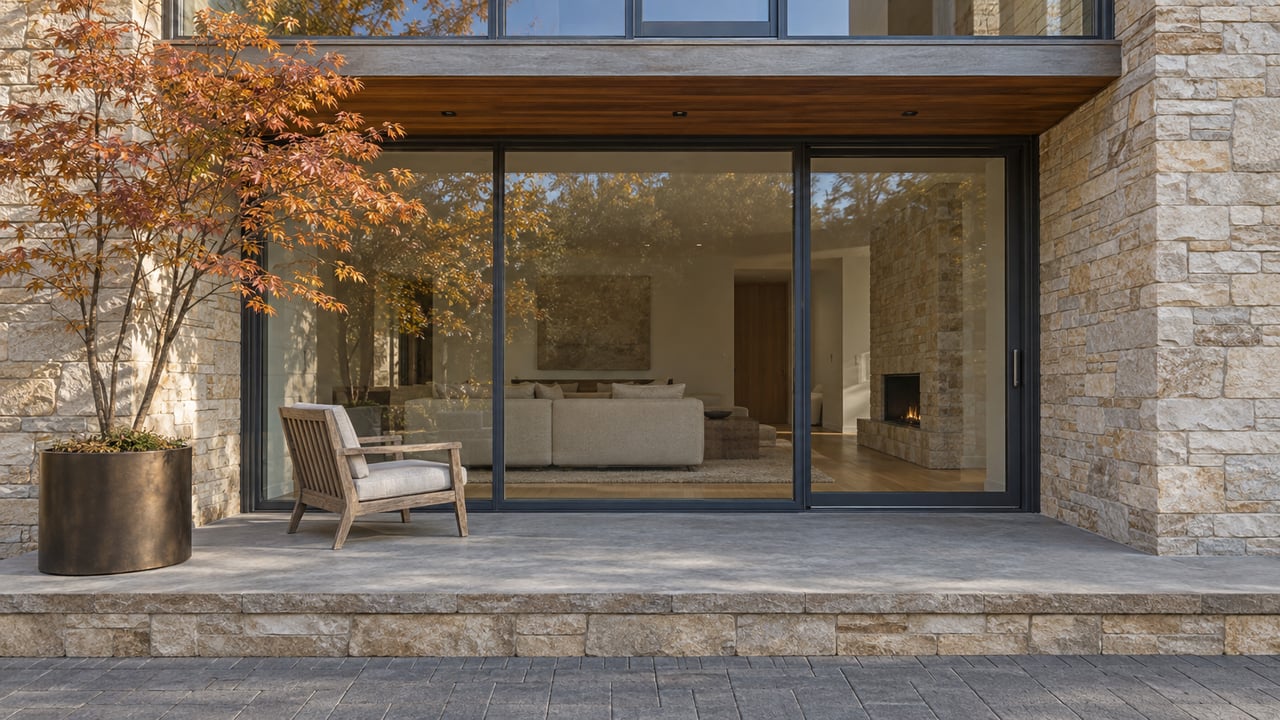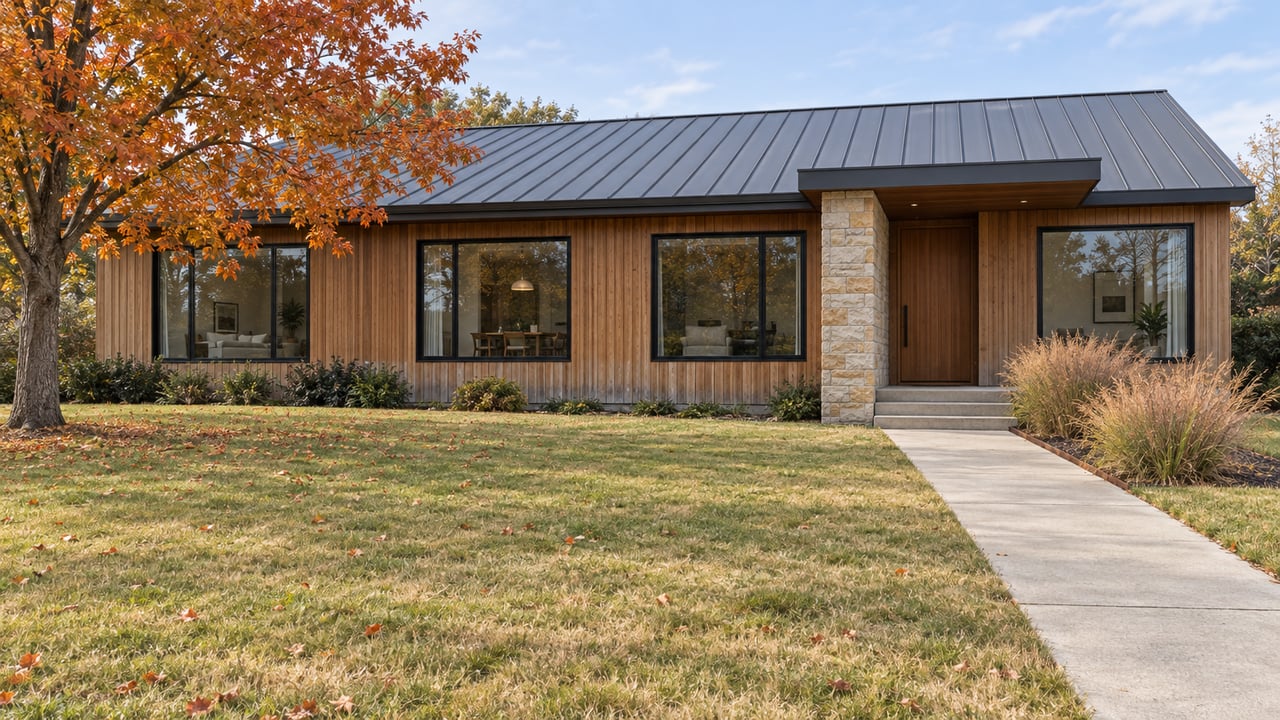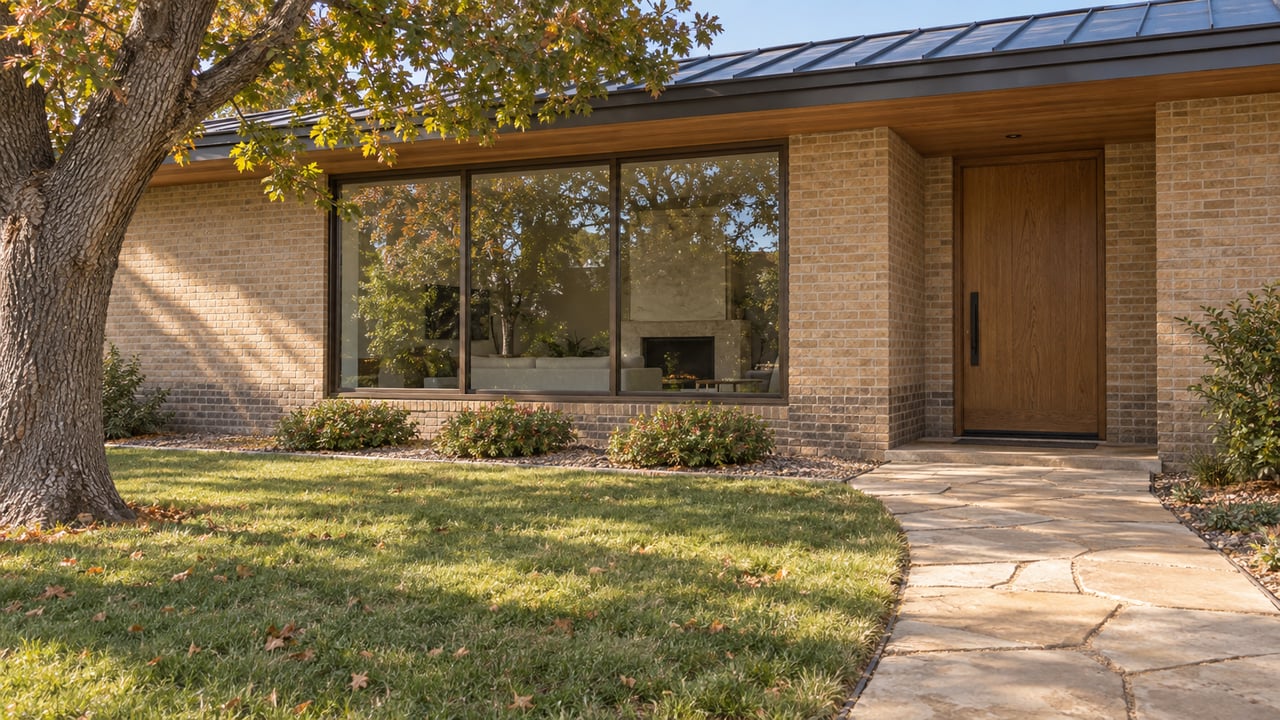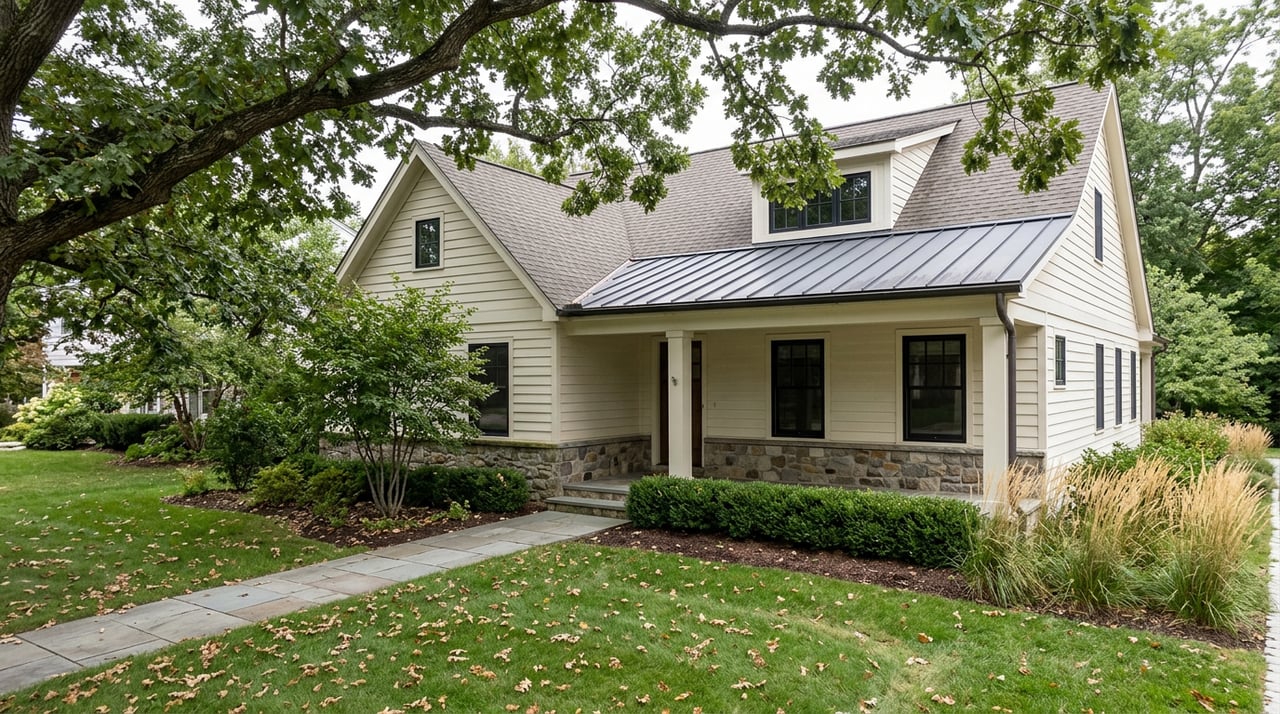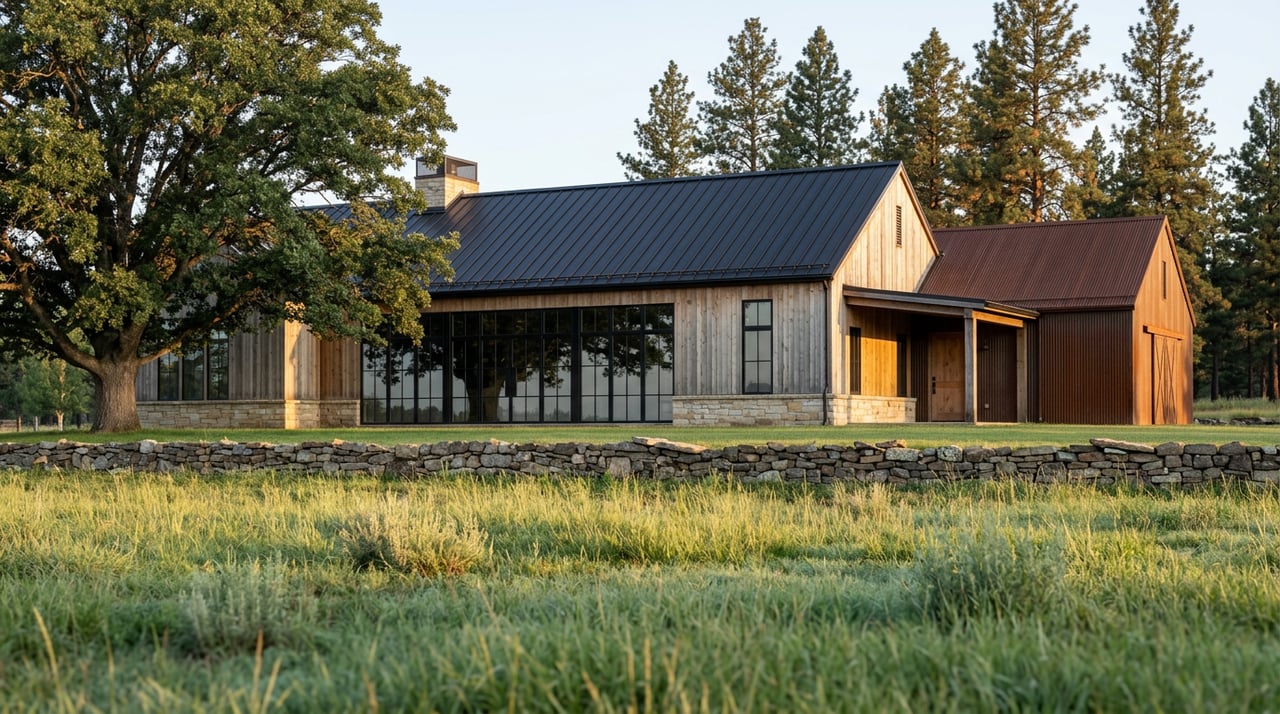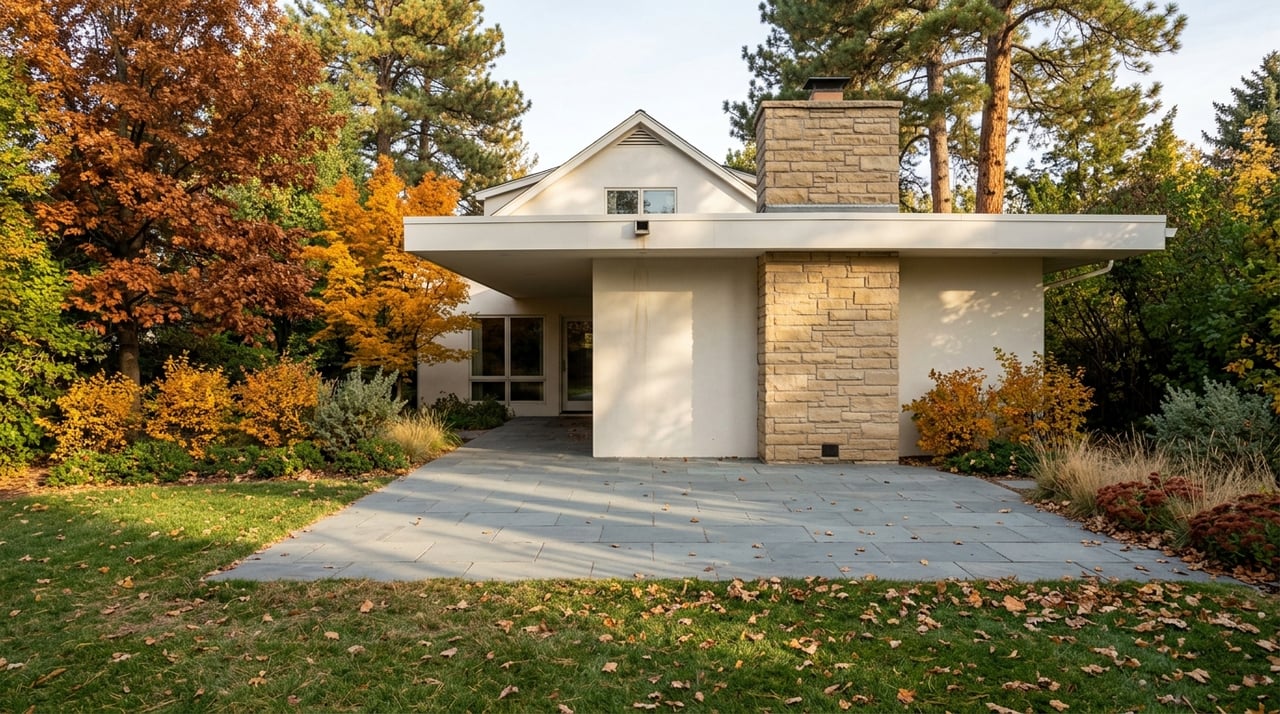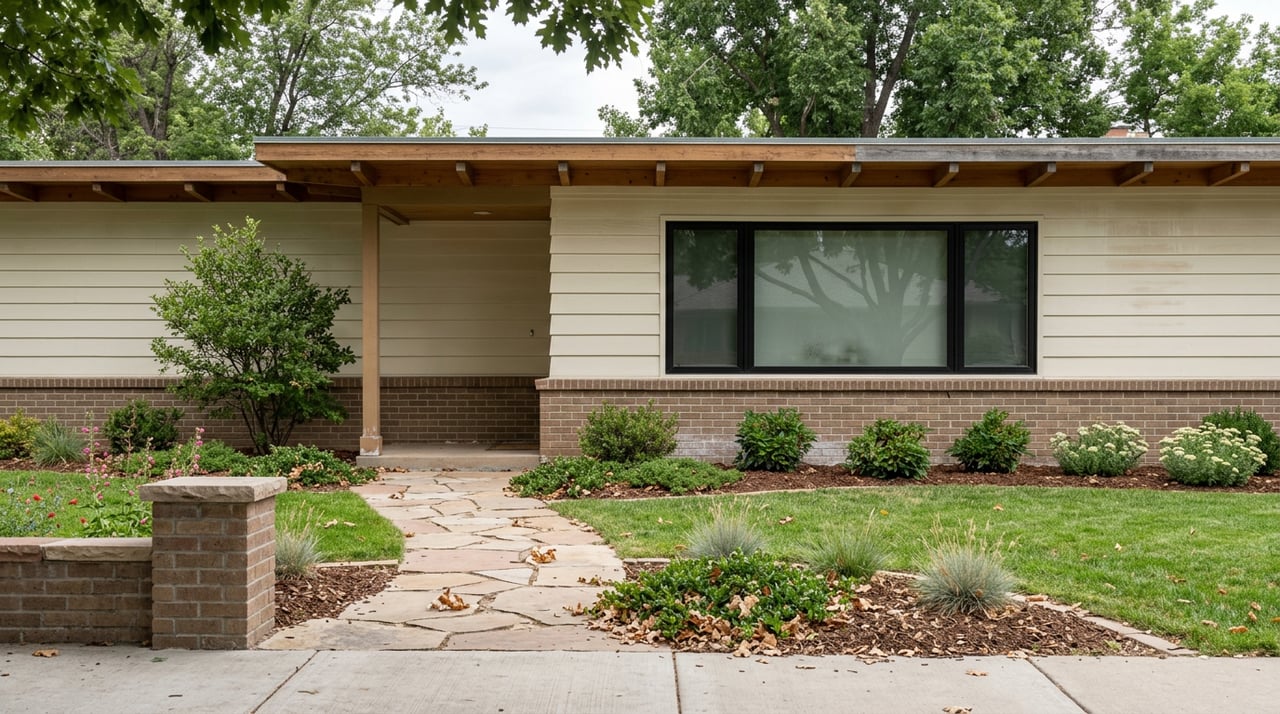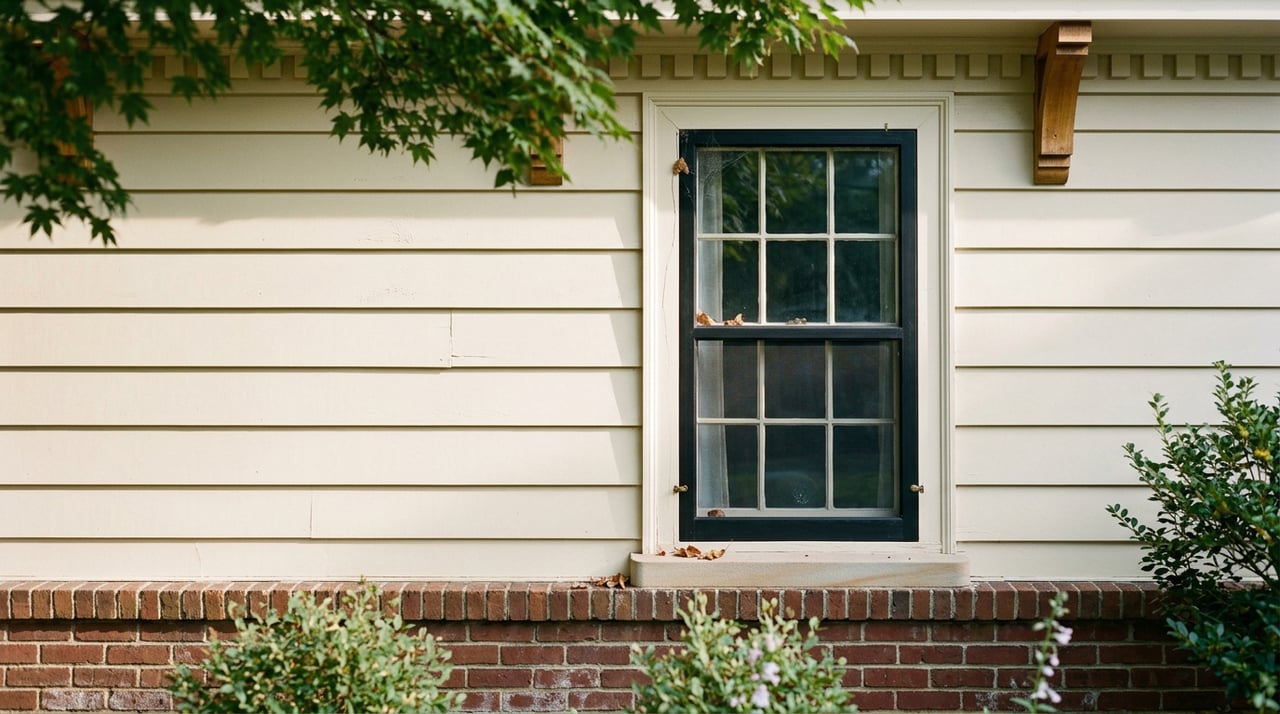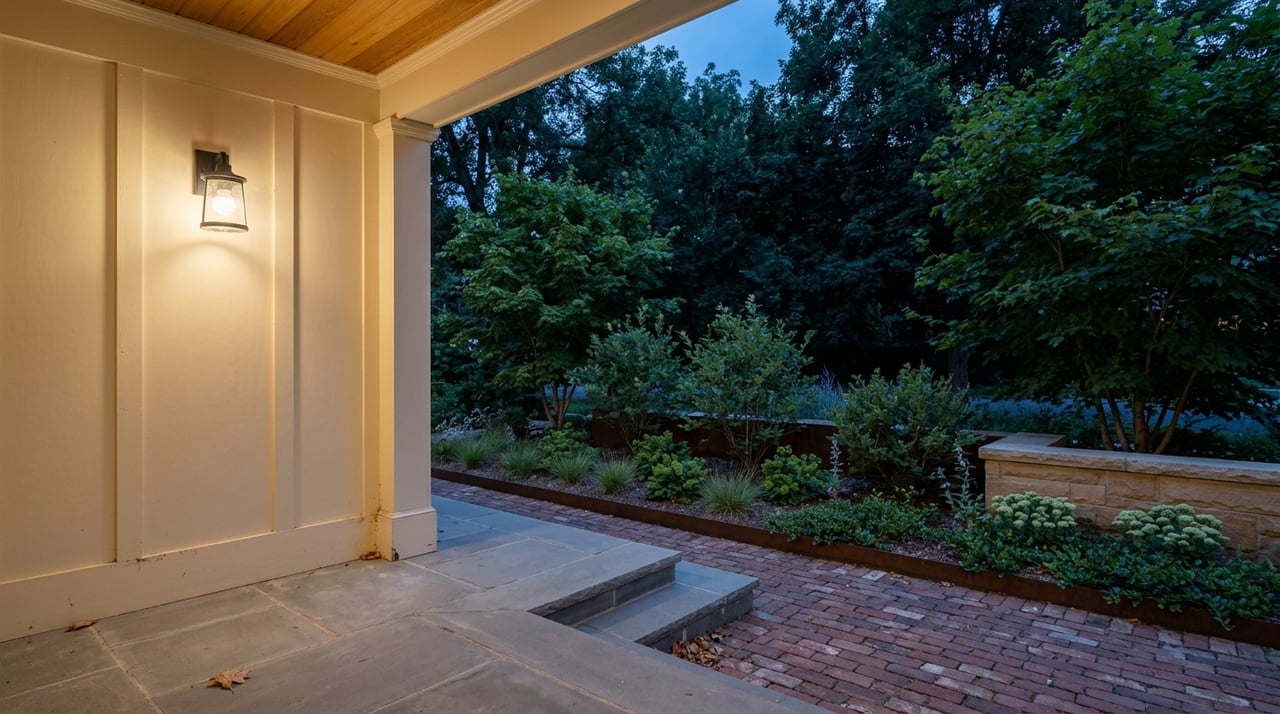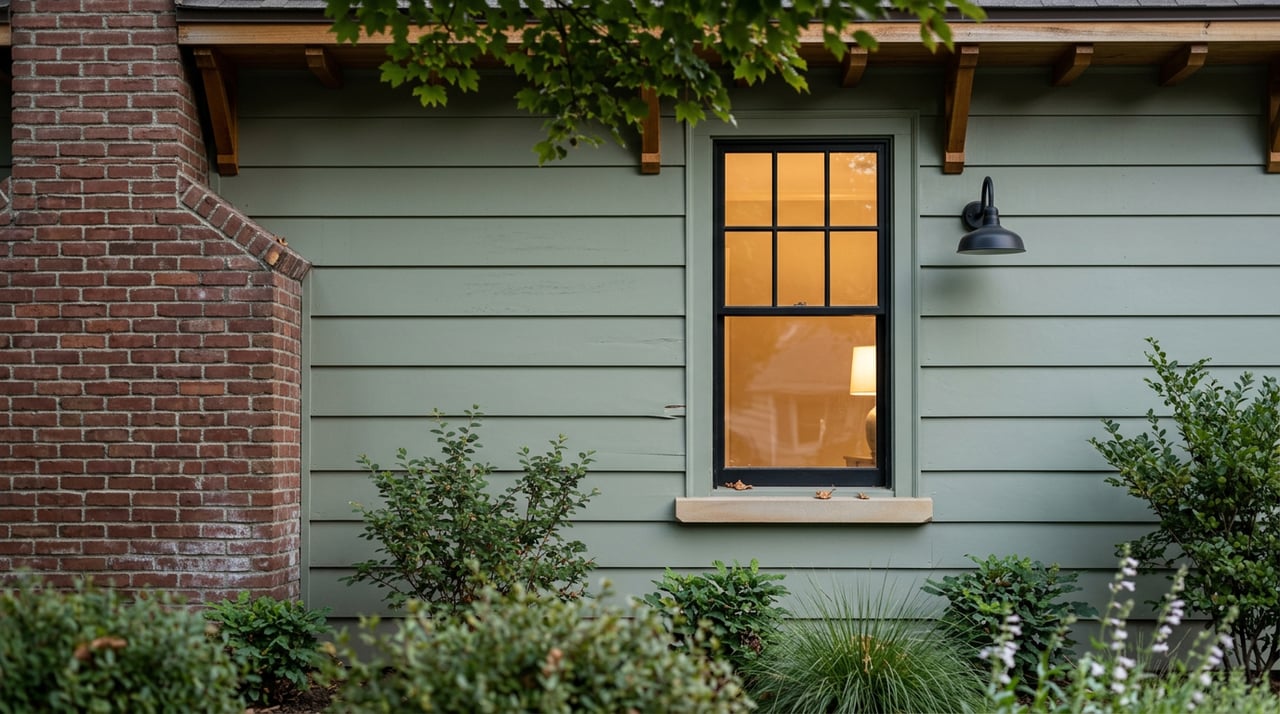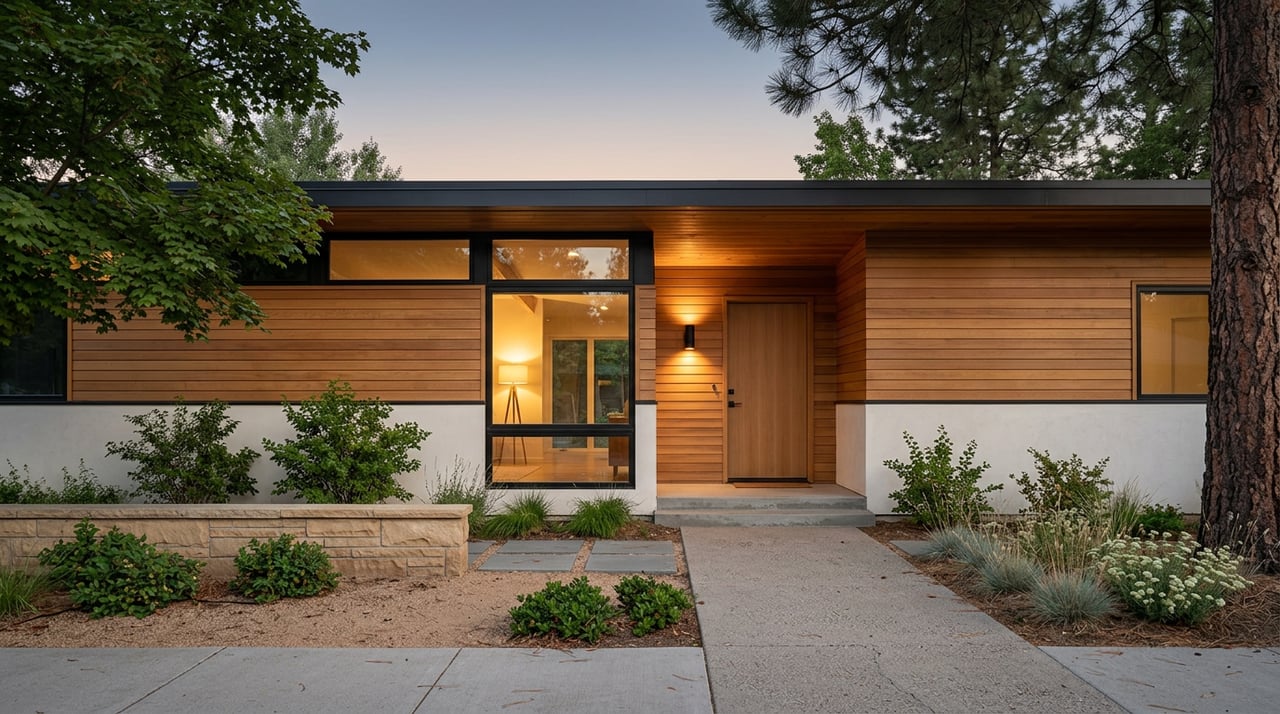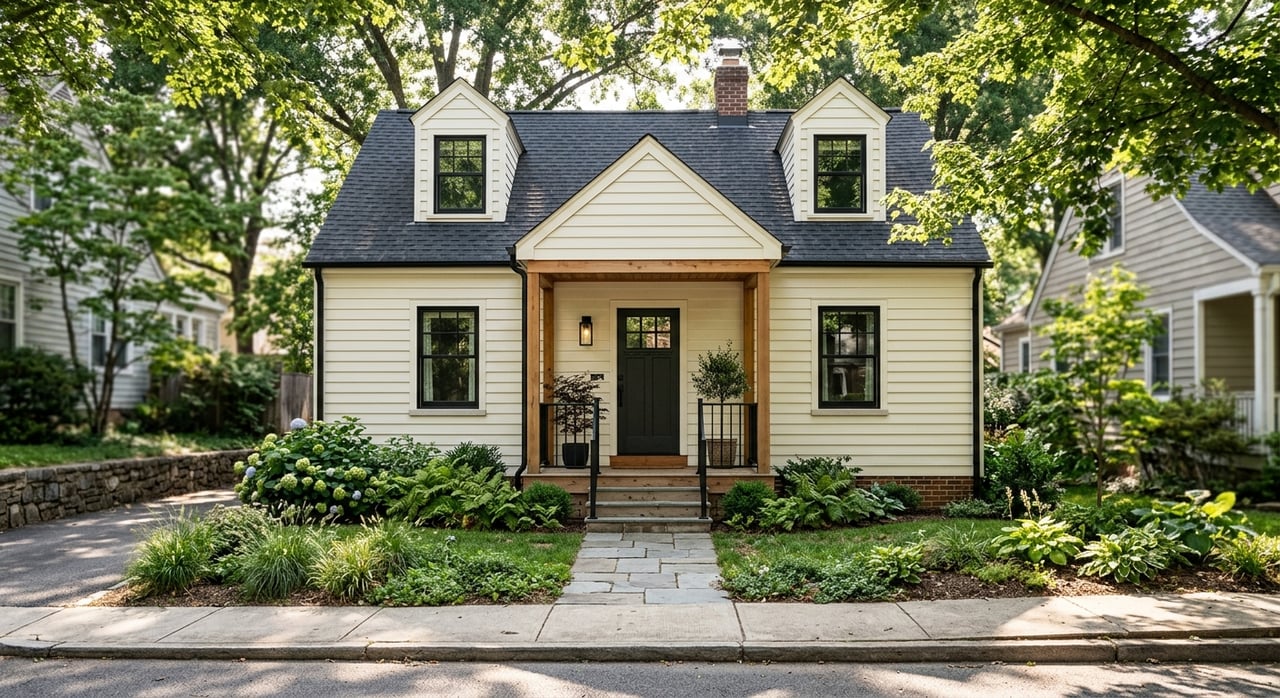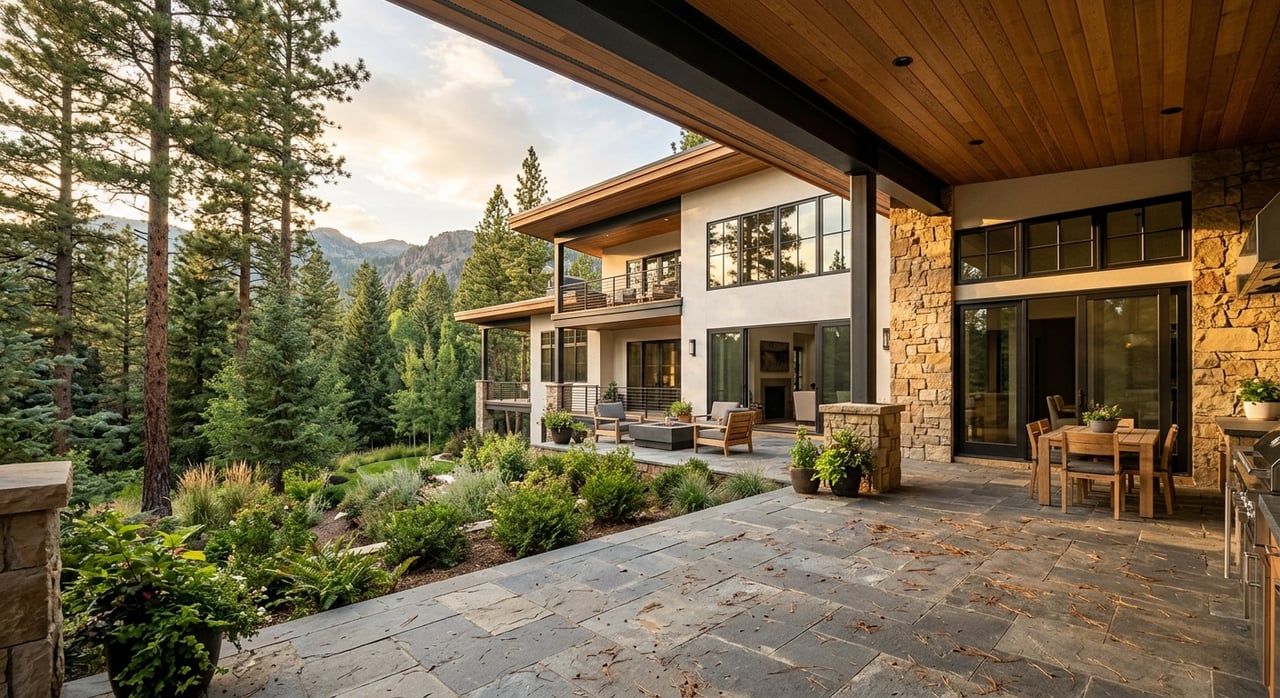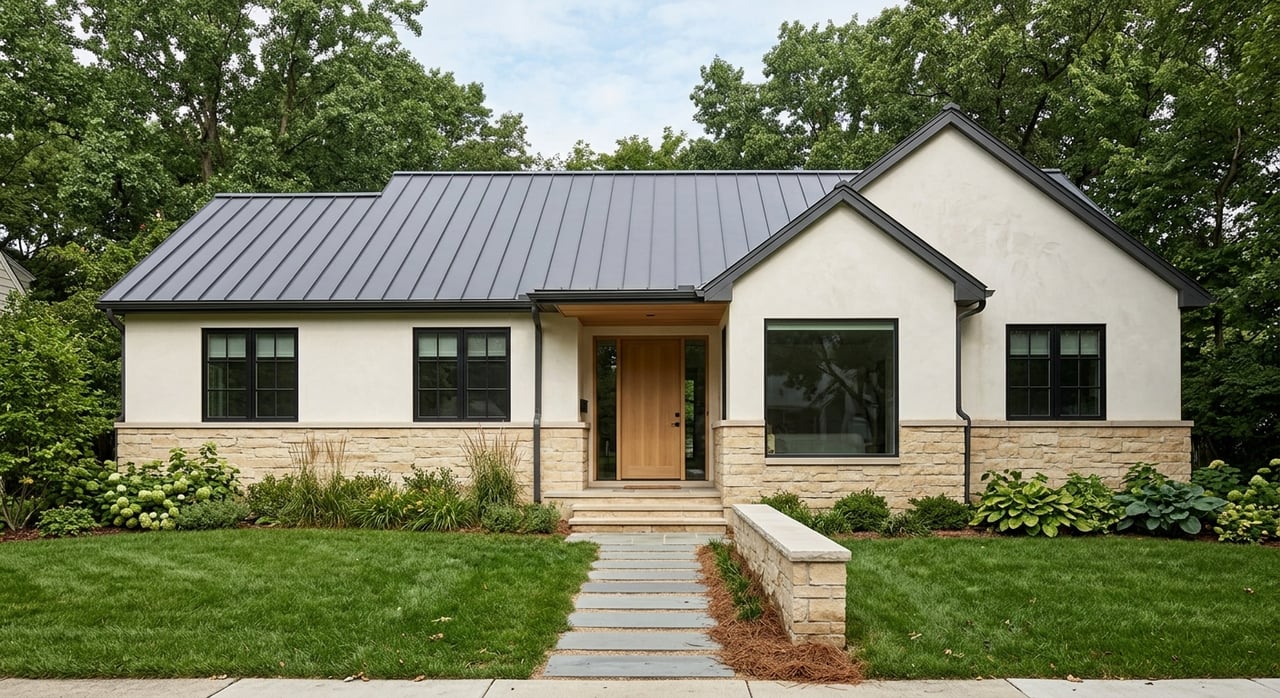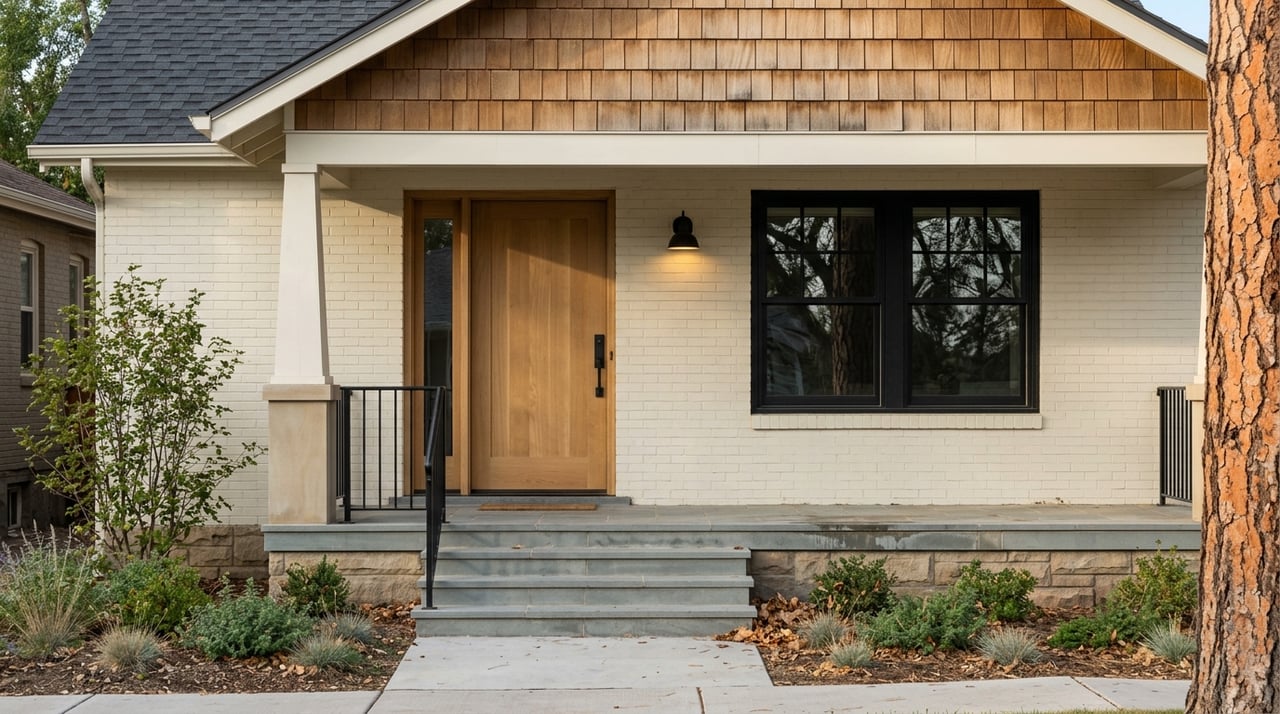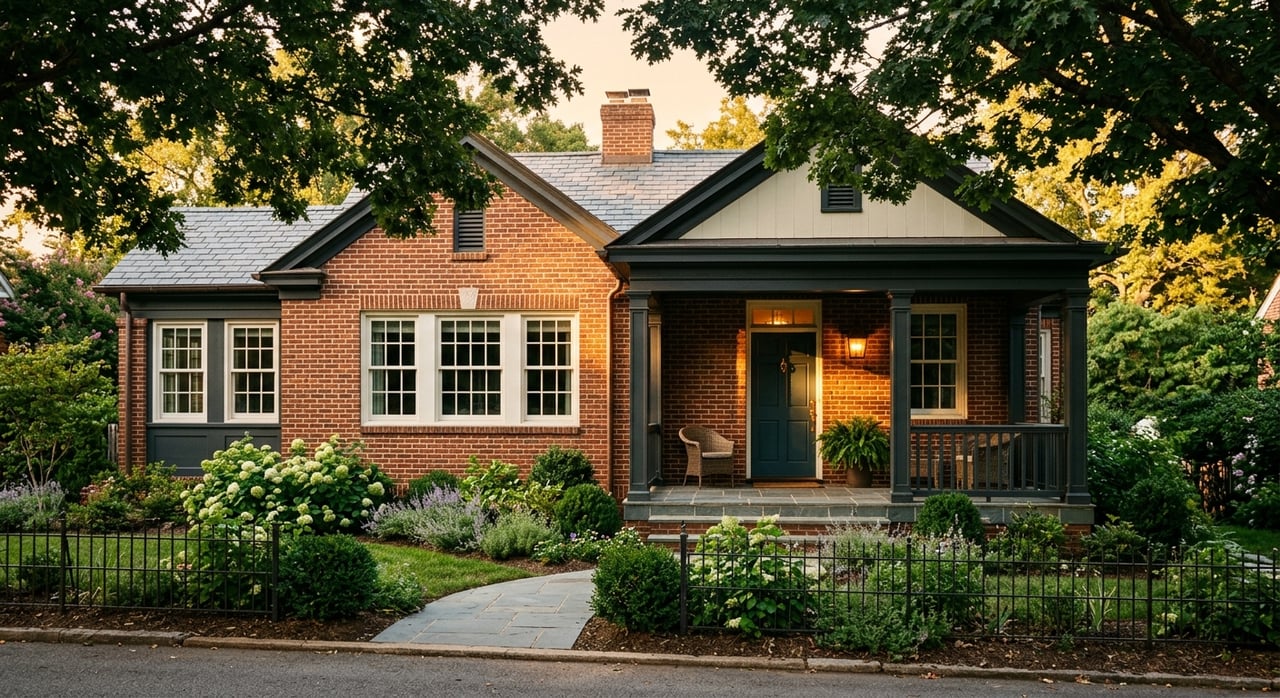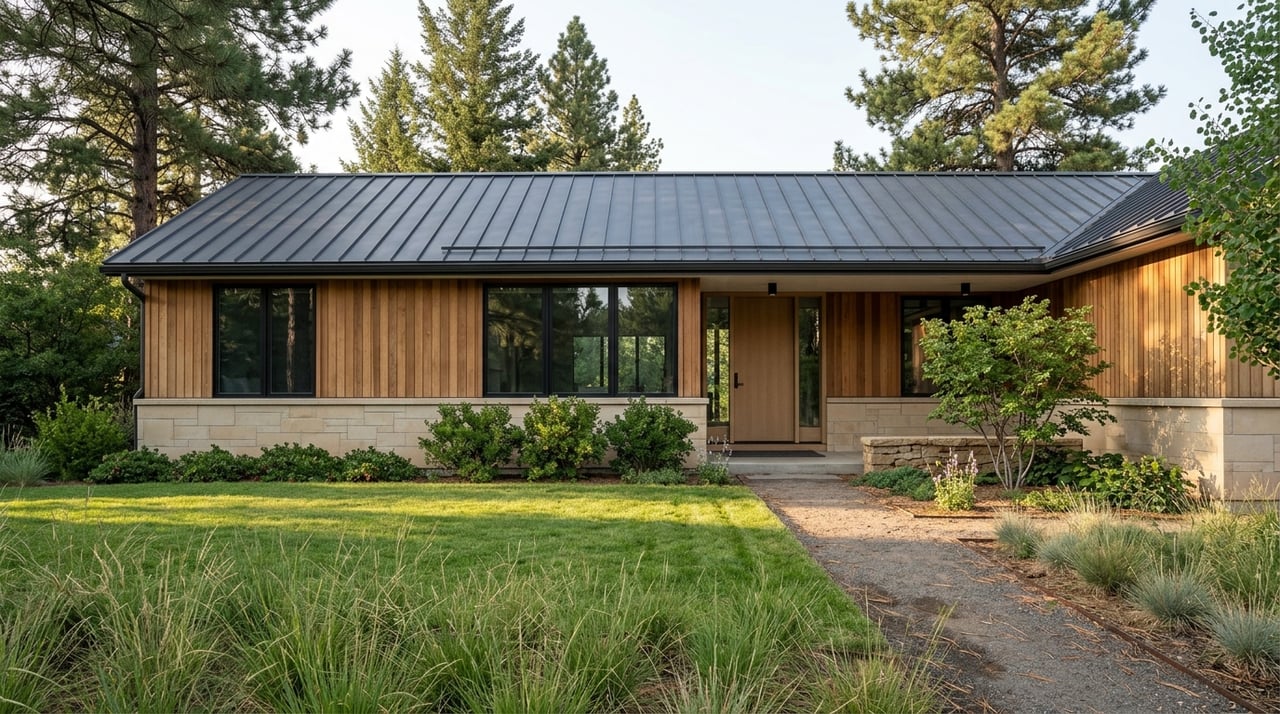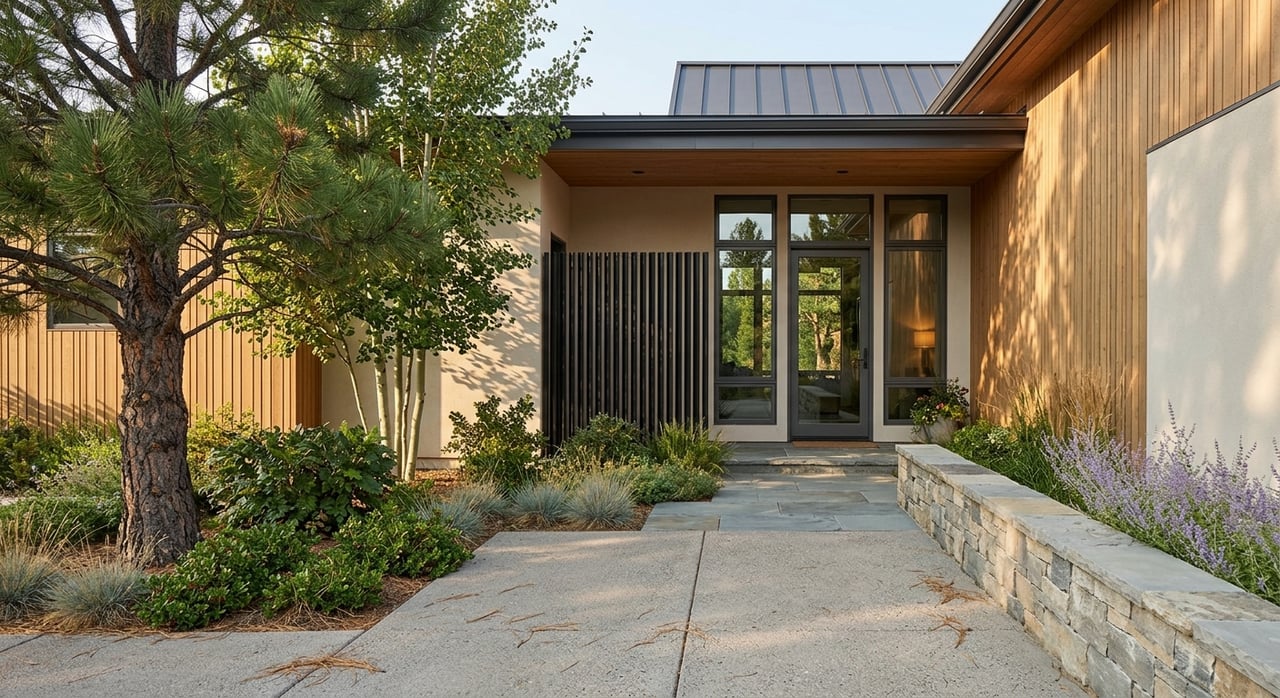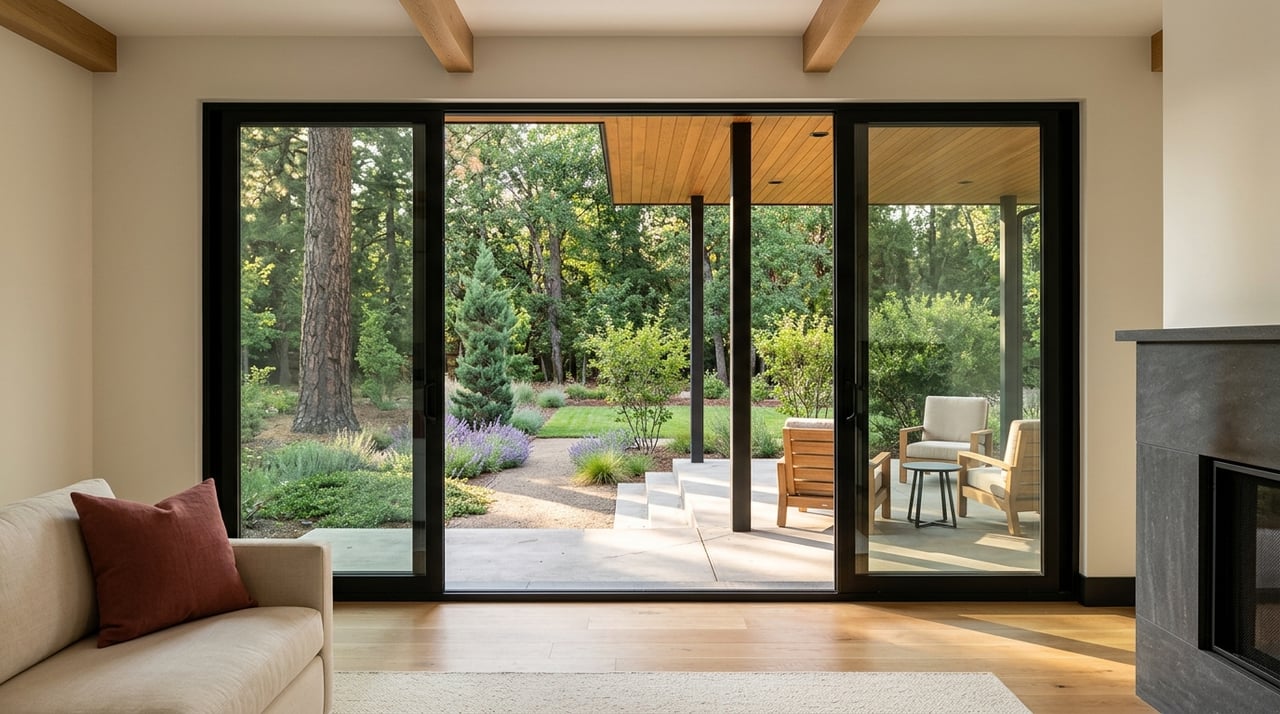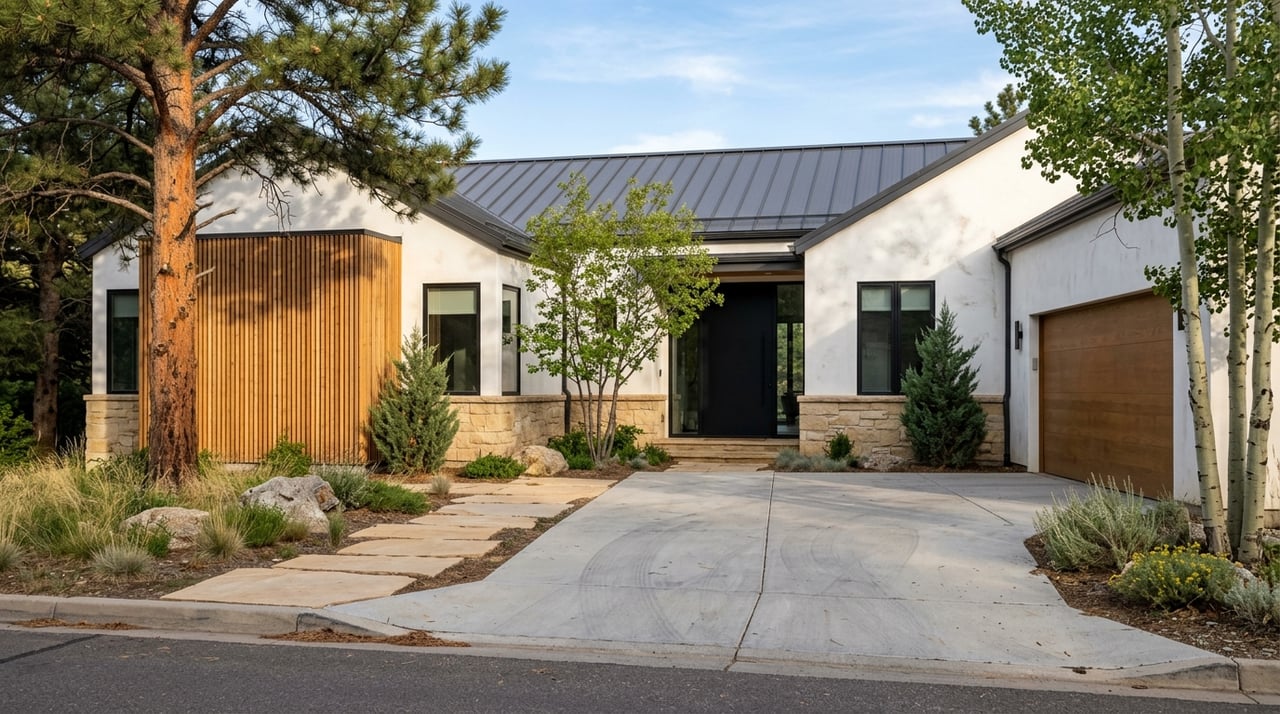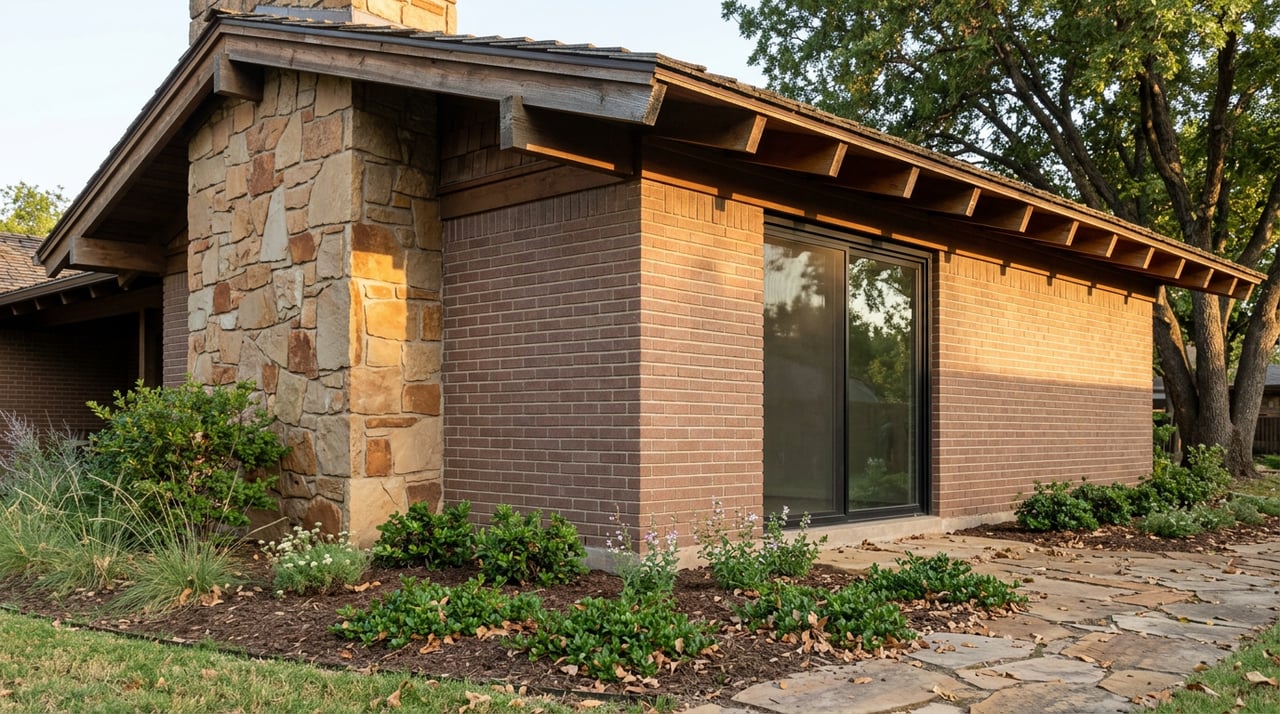
Picture two nearly identical Table Mesa ranches, both built when Broadway still marked the edge of town and both listed within a few thousand dollars of each other. One already wears a second story that catches the Flatirons at eye level over the kitchen sink. The other still has its original low roofline, unchanged since a crew framed it up sometime in the 1960s. On the MLS sheet, they read as comparable. Underneath the shingles and the slab, they are not playing the same game at all.
The two things that actually separate them rarely show up in a listing photo. One is a number the seller may or may not have (a radon reading, in picocuries per liter). The other is a number the city controls and most buyers never think to ask for (how much house you are actually allowed to add above the existing roofline). Both matter more in Table Mesa than almost anywhere else in Boulder, because of how and when this neighborhood was built.
A neighborhood that stopped getting new land in 1962
Table Mesa was platted out of a single ranch parcel south of Baseline Road in the early 1960s, at the same moment federal research labs like the National Bureau of Standards, IBM, and NCAR were pulling engineers and scientists to south Boulder. Builders responded with ranches, split-levels, and tri-levels designed to make the most of a sloping, view-heavy site. That building boom essentially finished decades ago. There is no meaningful new land coming online in Table Mesa. The homes on the market today are, structurally, the same homes that went up the first time.
That matters for how you think about value here. In a neighborhood with new construction, price differences often track lot size or square footage you can see. In Table Mesa, a big part of the price gap between two similar homes is the square footage you cannot see yet, the addition that either has already cleared the city's review or hasn't been tried.
Why the second story isn't guaranteed, even on a great lot
A wave of pop-top renovations has reshaped Table Mesa over the past two decades, mostly aimed at capturing the Flatirons views from a new second-story primary suite. It is a sensible move on paper. Table Mesa's original ranches were built low, and the mountains are right there.
What buyers underestimate is that Boulder's own building rules, not the buyer's budget or the architect's imagination, are usually the limiting factor. According to M. Gerwing Architecture, solar shadow ordinances and bulk-plane regulations restrict how tall and how bulky a second-story addition can be relative to the neighboring lots. Boulder's building height limits apply on top of that. A local architecture firm that has handled a number of these renovations has noted plainly that these rules create limited parameters for second-story work, even when a homeowner is only trying to add a bedroom above the existing footprint.
The practical result: a house that already has a legally completed pop-top is not just bigger, it has already cleared a review process that the next buyer would have to repeat from scratch, on their own lot, under their own shadow analysis, with no guarantee of the same outcome. Before you fall for the unrenovated ranch as a blank canvas, it is worth asking a local architect or your agent to walk the lot and give you a realistic read on what the city will actually let you build, not what the neighbor built.
What's under the slab matters just as much as what's above the roofline
Boulder County sits in the EPA's Radon Zone 1, the highest predicted-level category in the country, and independent home inspection guidance for the county states that well over half of Boulder County homes test above the EPA's action level of 4.0 pCi/L, with many measuring well into double digits. For a neighborhood built almost entirely on slab foundations and crawlspaces in the 1960s, before radon-resistant construction techniques existed, that geology is not background noise. It is a line item.
Colorado's radon disclosure law, Senate Bill 23-206, took effect in August 2023 and requires every residential sales contract to carry a bold, statutory warning. The contract language is direct:
"THE COLORADO DEPARTMENT OF PUBLIC HEALTH AND ENVIRONMENT STRONGLY RECOMMENDS THAT ALL HOME BUYERS HAVE AN INDOOR RADON TEST PERFORMED BEFORE PURCHASING RESIDENTIAL REAL PROPERTY AND RECOMMENDS HAVING THE RADON LEVELS MITIGATED IF ELEVATED RADON CONCENTRATIONS ARE FOUND."
Read past the bold type and the loophole is right there. The law requires sellers to disclose what they know. It does not require them to test in the first place. A seller who has never ordered a radon test has nothing to disclose and no obligation to find out. Boulder County's own guidance for agents is blunt about the consequence: since radon levels can vary significantly from one home to the next, even within the same block, a clean test at the house next door tells you nothing about the one you are buying. In a neighborhood built entirely before radon-resistant techniques existed, skipping that test is not a shortcut. It is a bet.
The upside is that Boulder County's own materials describe mitigation as a straightforward, relatively inexpensive process once a problem is identified, and a standard test simply requires a monitor placed in the lowest livable space of the home, undisturbed, for at least 48 hours under closed-house conditions. It is not a complicated ask. It is just one that far too many buyers assume someone else already handled.
The part of Table Mesa that has nothing to do with the inspection
None of this is the reason people fall for Table Mesa in the first place, and it shouldn't be. The neighborhood earns its reputation from Harlow Platts Park and the paved paths around Viele Lake, from the Table Mesa Shopping Center anchored by longtime local names like Neptune Mountaineering, and from the daily rhythm of walking to South Side Walnut Cafe or Southern Sun Pub & Brewery instead of driving. We've written before about what daily life actually looks like in Table Mesa and about how the evening scene has changed since Morso opened at the shopping center. That lifestyle is real, and it's a legitimate reason to want to live here.
It just doesn't change the roofline math or the radon reading. Those two numbers sit underneath the charm, whether you're the one buying the ranch or the one getting ready to sell it.
A short FAQ
Does every Table Mesa home have elevated radon? No. Boulder County's guidance is explicit that soil conditions vary house to house, even next door, so a test only tells you about the specific property in front of you, not the block or the neighborhood.
If a seller never tested, do I have any legal footing? SB23-206 requires sellers to disclose what they know about radon. It does not require them to know anything in the first place, so a buyer should assume the paperwork is blank unless they order their own test during the inspection period.
Can I count on adding a second story to catch the mountain views? Not automatically. Boulder's solar shadow and bulk-plane rules limit how much can be added above an existing roofline regardless of lot size, so a completed pop-top next door is not a guarantee that your own project will clear the same review.
If you're weighing a Table Mesa ranch, on either side of the transaction, the honest answer usually starts with a radon test and a conversation about what the city will actually let you build, not what the listing photos suggest. Anne Wells has spent three decades reading Boulder's older housing stock this way, matching what a home looks like today with what it's realistically allowed to become. If you'd like a second set of eyes on a Table Mesa property, let's connect.
This article is general information, not legal, tax or financial advice. Consult a qualified professional about your situation.